What is the Best Fabric for Halloween Children's Performance Costumes in Australia?
Introduction
When creating or choosing a Halloween children's performance costume in Australia, the fabric plays a crucial role. It affects the comfort, durability, and overall look of the costume, ensuring that children can enjoy their performance while looking the part. The Australian climate, diverse cultural influences, and the nature of children's activities all factor into the ideal fabric choice.
1. Comfort-Oriented Fabrics
1.1 Cotton
- Breathability: Cotton is an excellent choice for the Australian climate, which can range from hot and humid in the north to more temperate in the south. It is highly breathable, allowing air to circulate through the child's body. This is important as children can get quite active during a Halloween performance, and breathable fabric helps prevent sweating and discomfort. For example, a cotton-made pirate shirt or a witch's dress will keep the child cool and comfortable, whether they're running around on a warm Halloween evening or under stage lights.
- Softness: Children have sensitive skin, and cotton is known for its softness. It feels gentle against the skin, reducing the risk of irritation. A cotton costume is less likely to cause itching or rubbing, ensuring that the child can focus on their performance without any distractions.
1.2 Fleece
- Warmth and Softness: In the cooler parts of Australia, especially during the southern hemisphere's spring-time Halloween, fleece can be a great option. It provides warmth without being overly heavy. Fleece is also incredibly soft, giving the child a cozy feeling. For costumes like a teddy bear or a warm-blooded vampire, fleece can create a plush and inviting look while keeping the child warm.
- Lightweight and Easy to Move In: Despite its insulating properties, fleece is lightweight, allowing children to move freely during their performance. It doesn't restrict movement, which is essential for energetic Halloween activities like dancing or acting out spooky scenes.
2. Durability - Focused Fabrics
2.1 Canvas
- Sturdiness: Canvas is a durable fabric that can withstand the wear and tear of children's activities. If the Halloween costume involves a lot of movement, such as a superhero costume where the child might be jumping or running, canvas can hold up well. It is resistant to tearing and abrasion, making it suitable for costumes that need to last through multiple performances or rough play.
- Versatility: Canvas can be easily dyed or painted, allowing for creative customization. You can add details like patches, prints, or embroidery to create a unique Halloween look. For example, a canvas-based zombie costume can be customized with fake blood stains and ripped-fabric details.
2.2 Denim
- Long-lasting: Denim is another durable fabric option. It is well-known for its strength and ability to withstand repeated use. A denim costume, like a denim-inspired scarecrow or a Western-style sheriff costume, can endure the active nature of children during a Halloween performance.
- Traditional Look: Denim also has a classic look that can be fitting for certain Halloween themes. It gives a sense of authenticity to costumes inspired by real-life or historical characters, adding to the overall charm of the performance.
3. Aesthetic - Enhancing Fabrics
3.1 Satin
- Lustrous Appearance: Satin has a beautiful, shiny finish that can add a touch of elegance to a Halloween costume. For a fairy princess or a glamorous vampire costume, satin can create a luxurious look. The fabric catches the light, making the child stand out on stage or during a Halloween parade.
- Drape and Flow: Satin has a lovely drape, which means it falls gracefully. This is perfect for costumes with flowing elements, such as a long - flowing cape or a ball - gown - style dress. It adds a sense of movement and drama to the costume, enhancing the overall aesthetic.
3.2 Tulle
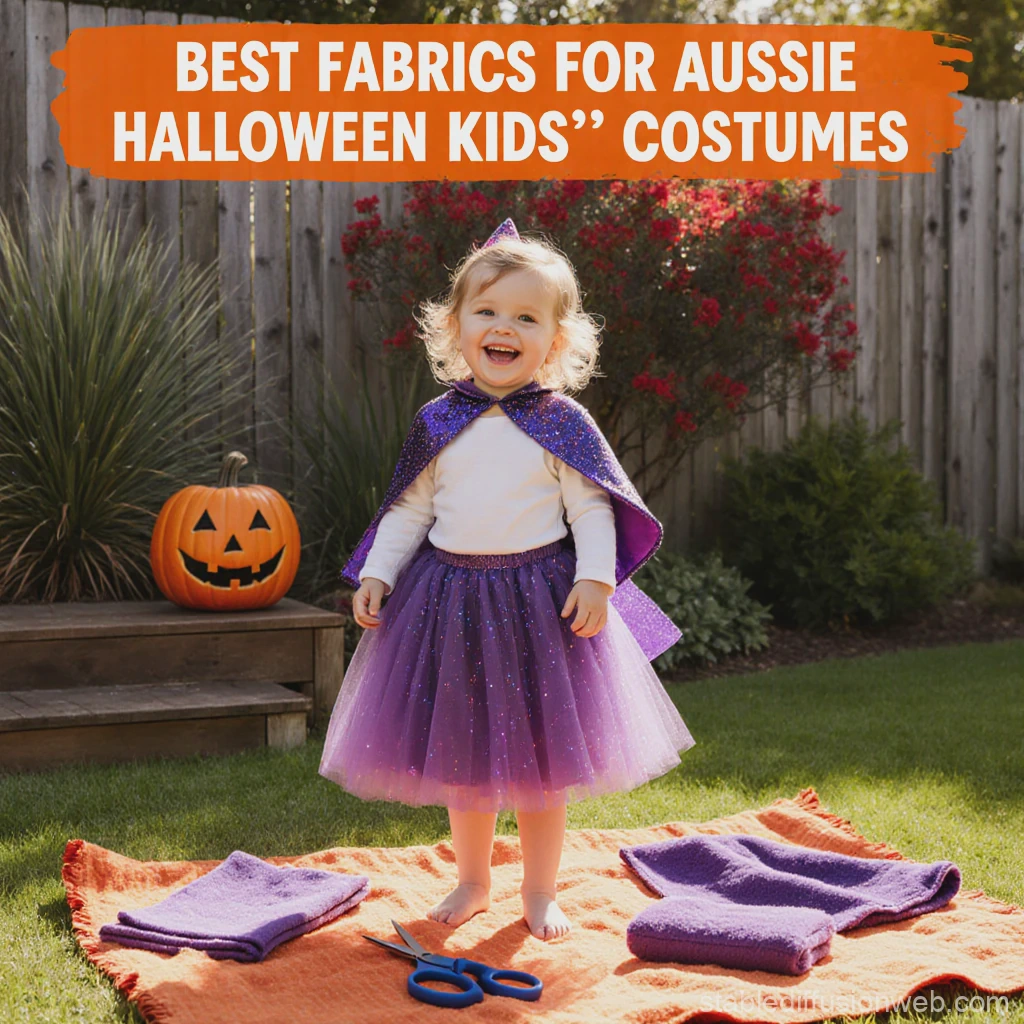
- Voluminous and Whimsical: Tulle is ideal for creating a dreamy, voluminous look. It is often used in costumes like a ballerina-inspired fairy or a princess with a puffy skirt. Tulle can be layered to create a full and fluffy effect, adding to the magical and whimsical nature of the Halloween costume.
- Color Options: Tulle comes in a wide range of colors, allowing for creative and vibrant costume designs. You can choose bright, bold colors for a more eye-catching look or pastel shades for a softer, more delicate appearance.
4. Considerations for Australian Conditions
4.1 Heat and Humidity
- Moisture - Wicking Fabrics: In the hotter and more humid parts of Australia, moisture-wicking fabrics can be beneficial. Fabrics like polyester-cotton blends can draw moisture away from the body, keeping the child dry. This is important as excessive sweating can not only be uncomfortable but also cause the fabric to stick to the body, affecting the look and feel of the costume.
- Lightweight Fabrics: Lightweight fabrics are generally more suitable for the Australian climate. They allow air to circulate better and don't weigh the child down. For example, a lightweight cotton or linen costume can be a great choice for a hot Halloween day or evening.
4.2 Cultural and Theme-Specific Requirements
- Cultural Influences: Australia has a diverse cultural background, and some Halloween costumes may be inspired by different cultures. For example, a costume inspired by Aboriginal art or mythology might require fabrics that can be easily painted or printed with traditional patterns. Natural fabrics like cotton or linen can be good bases for such customization.
- Theme - Specific Fabrics: Depending on the Halloween theme, certain fabrics may be more appropriate. For a steampunk-themed costume, fabrics like leather-like synthetic materials, burlap, or heavy-duty canvas can help create the industrial and 复古 look.
5. FAQ
Q: What if my child has a skin allergy?
A: If your child has a skin allergy, opt for hypoallergenic fabrics. Organic cotton is a great choice as it is grown without pesticides and is less likely to cause allergic reactions. You can also look for fabrics labeled as hypoallergenic. Avoid fabrics with strong chemicals or dyes, and consider pre-washing the fabric before using it in the costume.
Q: Can I use a combination of fabrics in a Halloween costume?
A: Absolutely! Using a combination of fabrics can add depth and texture to the costume. For example, you can use a cotton base for comfort and add satin accents for a touch of glamour, or use tulle over a denim skirt to create a unique and eye-catching look. Just make sure the fabrics are compatible in terms of color, weight, and style.
6. Conclusion
The best fabric for a Halloween children's performance costume in Australia depends on several factors, including comfort, durability, aesthetics, and the local climate. By considering these aspects and choosing the right fabric or combination of fabrics, you can create a costume that not only looks great but also allows the child to perform comfortably and enjoy their Halloween experience.