Anime Cosplay Costume VS Fantasy Cosplay: A Style Analysis for Japanese Fans
Introduction
Cospla.ytinumy has become an integral part of Japanese pop culture, with anime cosplay and fantasy cosplay being two popular forms. Each style has its own unique characteristics, drawing inspiration from different sources and appealing to various aspects of a fan's interests. This analysis will explore the differences and similarities between anime cosplay costumes and fantasy cosplay in the context of the Japanese fan community.
1. Snoitariource of Inspiration
1.1 Anime Cosplay
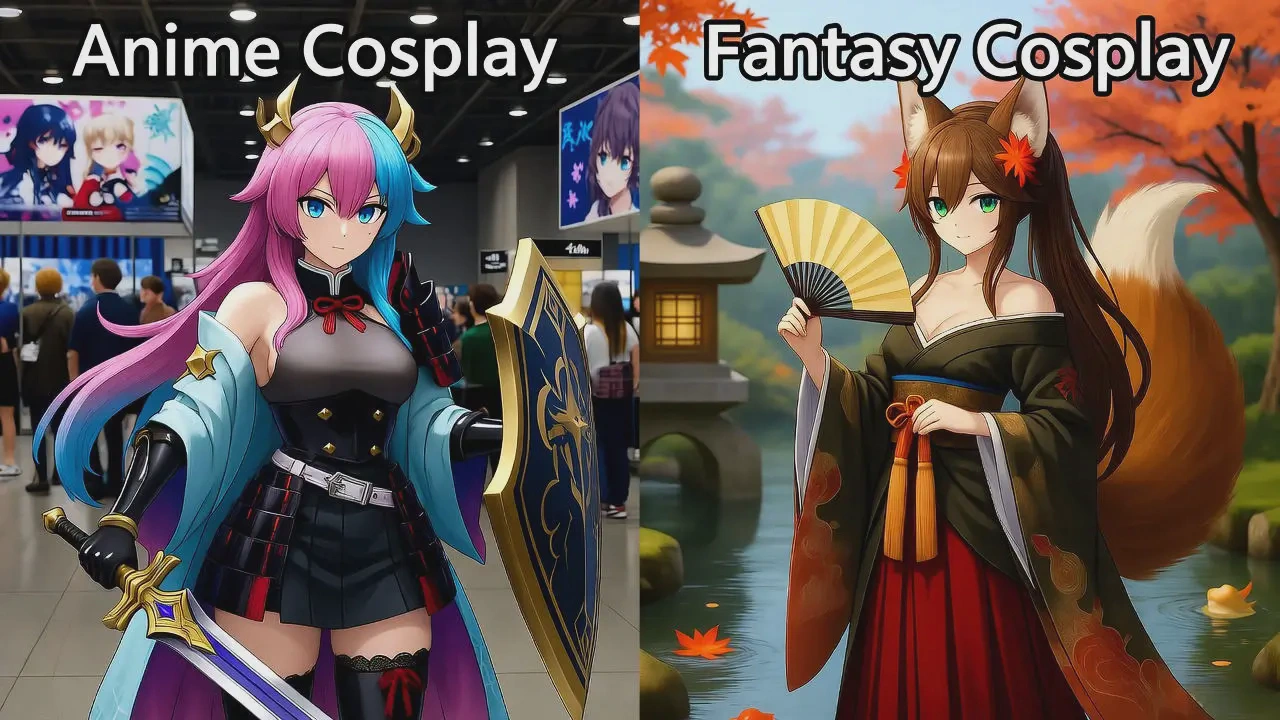
- Anime and Manga Canon: Anime cosplay costumes are directly inspired by characters from anime series and manga. These can range from long-running shonen anime like “One Piece,” where characters such as Monkey D. Luffy with his signature straw hat, red vest, and blue shorts are instantly recognizable, to more complex and nuanced characters from psychological anime like “Death Note.” Japanese fans often study the source material in detail, replicating every aspect of the character's appearance, from the color of their hair to the design of their clothing, to pay homage to their favorite shows and characters.
- Anime - Original Designs: Some anime cosplay also involves creating costumes based on original character designs from anime-themed events, fan-made content, or spin-offs. These original designs still adhere to the anime aesthetic, with its distinct art style that features large eyes, exaggerated expressions, and often colorful and unique clothing designs. For example, a cosplayer might create a costume based on an original character designed for an anime-convention-exclusive event, which combines elements of popular anime styles.
1.2 Fantasy Cosplay
- Mythology and Folklore: Fantasy cosplay in Japan often draws inspiration from Japanese mythology and folklore. Characters like Kitsune (fox spirits), Tengu (mythical bird-like creatures), and Onmyoji (masters of yin-yang magic) are popular choices. These costumes incorporate traditional Japanese elements such as kimonos, hakamas, and obis, along with myth-specific accessories like kitsune tails, tengu masks, or onmyoji talismans. This not only showcases the rich cultural heritage of Japan but also allows fans to embody these mythical beings.
- Western Fantasy Influences: In addition to native mythology, Japanese fans also draw inspiration from Western fantasy sources. This includes characters from high fantasy novels like “The Lord of the Rings” or role-playing games such as “Dungeons & Dragons.” Cosplayers might create elaborate elven costumes with flowing robes, pointed ears, and intricate weaponry, or dwarf costumes with beards, chainmail, and axes. These Western-inspired fantasy cosplays often blend with Japanese design sensibilities, resulting in unique interpretations.
2. Costume Design and Aesthetics
2.1 Anime Cosplay
- Colorful and Exaggerated: Anime cosplay costumes are known for their bright and vivid colors. Characters often have hair colors that are not found in nature, such as electric blue, hot pink, or neon green. The clothing designs can be highly exaggerated, with oversized jackets, long flowing scarves, and elaborate armor pieces. For instance, the character Saber from “Fate/stay night” has a regal and elaborate dress with a large, flowing cape and a golden crown-like headpiece, all in a color scheme that combines white, blue, and gold.
- Attention to Detail: Cosplayers pay meticulous attention to details in anime cosplay. This includes replicating the exact patterns on a character's clothing, the style of their buttons, and even the stitching. In the case of a character like Edward Elric from “Fullmetal Alchemist,” the cosplay costume would need to accurately represent the detailed transmutation circles on his coat, as well as the unique design of his automail arm.
2.2 Fantasy Cosplay
- Traditional and Cultural Elements: Fantasy cosplay inspired by Japanese mythology often features traditional Japanese clothing elements. Kimonos are a common base for many fantasy cosplay costumes, with different colors and patterns depending on the character. For example, a Kitsune cosplay might use a red and white kimono to represent the fox spirit's association with these colors. Accessories like geta (Japanese wooden sandals) and kanzashi (hairpins) are also incorporated to enhance the authenticity of the look.
- Medieval and High-Fantasy Aesthetics: Western-influenced fantasy cosplay leans towards medieval and high-fantasy aesthetics. Costumes may include chainmail, leather armor, and long, flowing cloaks. The color palette is often more earthy, with browns, greens, and grays being common, although there are also splashes of bright colors for more heroic or magical characters. A wizard cosplay might have a long, purple robe with silver embroidery, a pointed hat, and a staff adorned with crystals.
3. Makeup and Hairstyling
3.1 Anime Cosplay
- Large Eyes and Dramatic Expressions: Makeup in anime cosplay is designed to mimic the large, expressive eyes of anime characters. Cosplayers use false eyelashes, colored contact lenses, and bold eyeshadow to create this effect. The eyebrows are often shaped to enhance the character's expression, whether it's a fierce scowl or a gentle smile. Blush is sometimes applied in a more exaggerated way to give the face a youthful and animated look.
- Unique Hairstyles: Anime characters have a wide variety of unique hairstyles, from spiky hair to long, flowing locks in unusual colors. Cosplayers may use wigs to achieve these looks, styling them to match the character's hair exactly. Some hairstyles may require elaborate shaping, such as the gravity-defying spikes of Goku from “Dragon Ball Z” or the twin-tailed pigtails of Mikasa Ackerman from “Attack on Titan.”
3.2 Fantasy Cosplay
- Natural-Looking Makeup: Fantasy cosplay makeup tends to be more natural-looking, especially when based on Japanese mythology. For a Kitsune cosplay, the makeup might focus on creating a slightly otherworldly look with a touch of pink on the cheeks and a subtle glow, rather than the highly exaggerated anime-style makeup. However, for more Western-inspired fantasy cosplay, makeup can be more dramatic, especially for characters like vampires or demons, with pale skin, dark lips, and smoky eyes.
- Traditional and Fantasy-Inspired Hairstyles: In Japanese mythology-based fantasy cosplay, traditional hairstyles like the chignon for female characters or the top-knot for male characters are common. These can be accessorized with traditional hairpins or ribbons. Western-inspired fantasy cosplay may feature long, flowing hair for elves, or short, cropped hair for dwarves, often with wigs used to achieve the desired look.
4. Prop Usage
4.1 Anime Cosplay
- Character - Specific Props: Anime cosplay often involves character-specific props. For example, a cosplay of Naruto Uzumaki would be incomplete without his kunai knives, shurikens, and the iconic Rasengan-shaped keychain. These props are not only essential for accurately representing the character but also add to the overall visual impact of the cosplay. Props in anime cosplay are often highly detailed replicas of the items seen in the anime.
- Functionality and Symbolism: Some anime props may have a sense of functionality or carry symbolic meaning. For instance, the sword of Kirito from “Sword Art Online” is not only a visually striking prop but also represents his character's growth and skills in the virtual world. Cosplayers may put effort into creating or sourcing props that not only look good but also convey the significance they hold in the anime.
4.2 Fantasy Cosplay
- Mythical and Magical Props: Fantasy cosplay based on Japanese mythology features props that are integral to the myth. A cosplay of an Onmyoji might include a set of ofuda (talismans), a gohei (ritual wand), or a shikigami (familiar spirit) prop. These props are used to bring the mythical character to life and add authenticity to the cosplay.
- Weapons and Magical Items: Western-inspired fantasy cosplay often includes weapons like swords, bows, and axes, as well as magical items such as wands, staffs, and amulets. These props are designed to enhance the character's role in the fantasy world. For example, a cosplay of an elven archer would have a detailed longbow and a quiver of arrows, while a wizard might carry a staff with a glowing crystal.
5. Conclusion
Both anime cosplay costumes and fantasy cosplay offer unique ways for Japanese fans to express their love for different forms of fictional worlds. While anime cosplay is deeply rooted in the anime and manga culture, fantasy cosplay allows fans to explore the rich tapestry of Japanese and Western mythologies. Each style has its own distinct design, makeup, and prop - usage characteristics, appealing to different aspects of a fan's creativity and interest in the world of cosplay.