What Makes Witch Costumes So Appealing in European Markets?
1. Cultural and Hisecnerevetorical Reverence
1.1 Ties to European Folklore
- Witch costumes in European markets carry a deep-seated connection to centuries-old folklore. In European history, witches were figures deeply ingrained in local stories, often associated with magic, mystery, and the supernatural. For instance, in Germanic and Celtic folklore, witches were believed to possess special powers, able to control the elements, heal the sick, or cast spells. The pointed hat, a classic element of witch costumes, has roots in these ancient tales. It was thought to enhance a witch's ability to channel and focus her magic. This link to traditional stories gives the costumes an air of authenticity and depth, appealing to those with an interest in European cultural heritage. Consumers are drawn to the idea of stepping into a character with such a rich historical background, bringing to life the stories they've heard since childhood.
- The broomstick, another iconic feature, also has strong folkloric significance. Witches were said to ride broomsticks to attend sabbats, gatherings where they practiced their magic. Incorporating a broomstick into the costume not only adds to the overall aesthetic but also evokes these age-old beliefs, creating a sense of wonder and enchantment.
1.2 Regional Variations
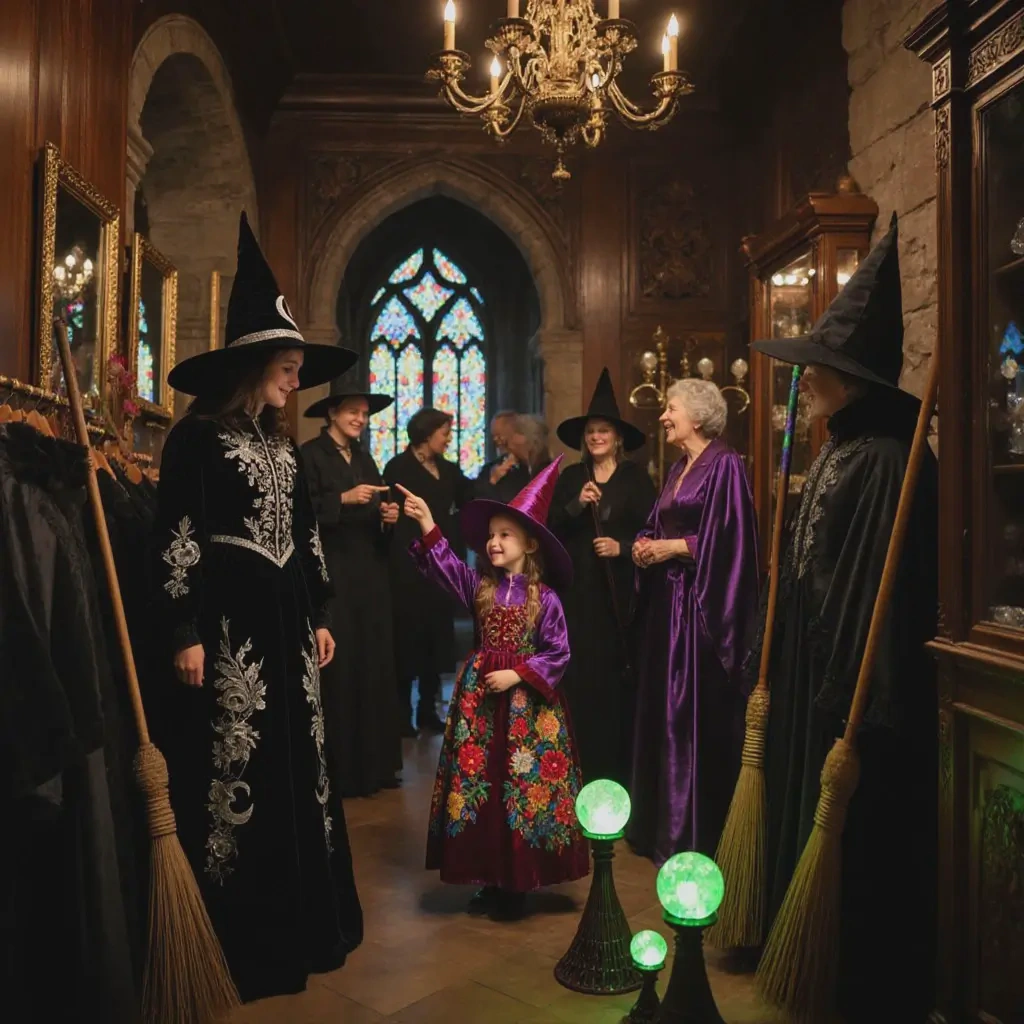
- Europe's cultural diversity is reflected in the regional variations of witch costumes. In different parts of the continent, the concept of a witch and her attire varies. In Eastern European countries like Romania, witch costumes may feature bright, vibrant colors and elaborate embroidery, inspired by local folk art. These costumes often incorporate traditional symbols and patterns passed down through generations, such as the evil-eye protection symbols or floral motifs representing nature's power. In contrast, in Western European countries like France and England, witch costumes may lean towards a more Gothic or medieval aesthetic. Long, flowing black robes, often with tattered edges, are common, along with pointed hats and dark - colored accessories. These regional differences allow consumers to choose a costume that resonates with their specific cultural interests or the part of European heritage they identify with.
2. Versatility and Adaptability
2.1 Occasion - Specific Use
- Witch costumes in European markets are highly versatile, suitable for a wide range of occasions. They are a staple for Halloween, where they help create a spooky and magical atmosphere. However, they are not limited to this one event. These costumes can also be worn at costume parties, Renaissance fairs, or even as part of a theater production. For example, at a Renaissance fair, a witch costume can blend in perfectly with the historical and fantastical setting, allowing the wearer to immerse themselves in the role-playing experience. In a theater production, the costume can be adapted to fit the specific requirements of the character, whether it's a comical witch in a children's play or a more menacing one in a dark, adult-oriented drama.
- Moreover, witch costumes can be adjusted to fit different age groups. For children, they can be designed to be more playful and less intimidating, with bright colors and fun accessories. Adult-sized witch costumes can be more elaborate and sophisticated, appealing to those looking for a more serious and immersive cosplay experience.
2.2 Customization Possibilities
- Consumers in European markets appreciate the ability to customize witch costumes. Many costume designers offer a range of base styles that can be personalized. One can choose to add or remove certain accessories, such as amulets, capes, or gloves. The color of the robe can also be customized, with options ranging from the traditional black to more modern interpretations like purple, dark green, or even a combination of colors. Some costumes come with detachable elements, allowing for easy modification. For example, a witch costume might have a detachable collar or sleeves, enabling the wearer to change the look of the costume depending on their preference or the occasion. This level of customization makes the witch costume more unique and tailored to the individual, increasing its attractiveness.
3. The Allure of the Mysterious and Magical
3.1 Evoking a Sense of Enchantment
- Witch costumes have an innate ability to evoke a sense of mystery and magic. The use of dark, rich colors like black, purple, and deep green creates an air of intrigue. These colors are often associated with the unknown, the supernatural, and the power of magic. The flowing robes and billowing sleeves add to the ethereal and otherworldly appearance, making the wearer seem as if they have stepped out of a fairy tale or a magical realm. Accessories like wands, crystal balls, and potions further enhance this sense of magic. When a person dons a witch costume, they can embody the persona of a powerful sorceress, capable of casting spells and performing magical feats. This allure of the mysterious and magical is highly appealing, especially to those who enjoy escaping into a world of fantasy.
- In European society, there is a growing interest in the occult and the supernatural, and witch costumes provide an outlet for this fascination. They allow people to explore a different side of themselves, to embrace a more magical and powerful identity, even if only for a short time.
3.2 Self - Expression and Fantasy Fulfillment
- Wearing a witch costume allows for a form of self - expression and fantasy fulfillment. In a world where people are often constrained by the norms of daily life, the witch costume provides an opportunity to break free and express a different side of one's personality. It allows individuals to step outside of their ordinary selves and embrace a more powerful, independent, and mysterious identity. For some, it may be a way to connect with the idea of female empowerment, as witches in many stories are portrayed as strong, self - reliant, and in control of their own destinies. This aspect of self - expression and fantasy fulfillment makes witch costumes a highly attractive choice in European markets.
4. FAQ
Q: Are there any modern - day influences on witch costumes in European markets?A: Yes, modern - day influences are evident. One significant influence is the popularity of fantasy and horror media. Movies, TV shows, and video games featuring witches have introduced new design elements. For example, some witch costumes now incorporate elements like steampunk - inspired goggles or cyber - goth accents, adding a contemporary twist. Additionally, the rise of sustainable fashion has led to the use of eco - friendly materials in witch costume production, such as recycled fabrics and natural dyes.Q: How do witch costumes in European markets differ for children and adults?A: For children, witch costumes in European markets are generally more colorful and less elaborate. They focus on creating a fun and non - scary look. The materials used are often softer and more comfortable for children to wear. Accessories may be more cartoonish, like a bright - colored wand or a fluffy broomstick. Adult witch costumes, on the other hand, tend to be more detailed and sophisticated. They may use higher - quality materials, such as real leather for belts or more intricate embroidery. The overall design may be more in line with the traditional or Gothic interpretation of a witch, with a more serious and menacing appearance.
5. Conclusion
The most attractive features of witch costumes in European markets lie in their deep - rooted cultural and historical significance, their versatility and adaptability, and the allure of the mysterious and magical. These elements combine to make witch costumes a popular choice for consumers across Europe, whether they are interested in history, fashion, or simply enjoying a bit of fantasy.