Halloween Children's Performance Costume VS Carnival Costume: Which is More Fun?
News /
11/05/2025
1. Designsciteh and Aesthetics
1.1 Halloween Children's Performance Costumes
- Spooky and Themed - based Design
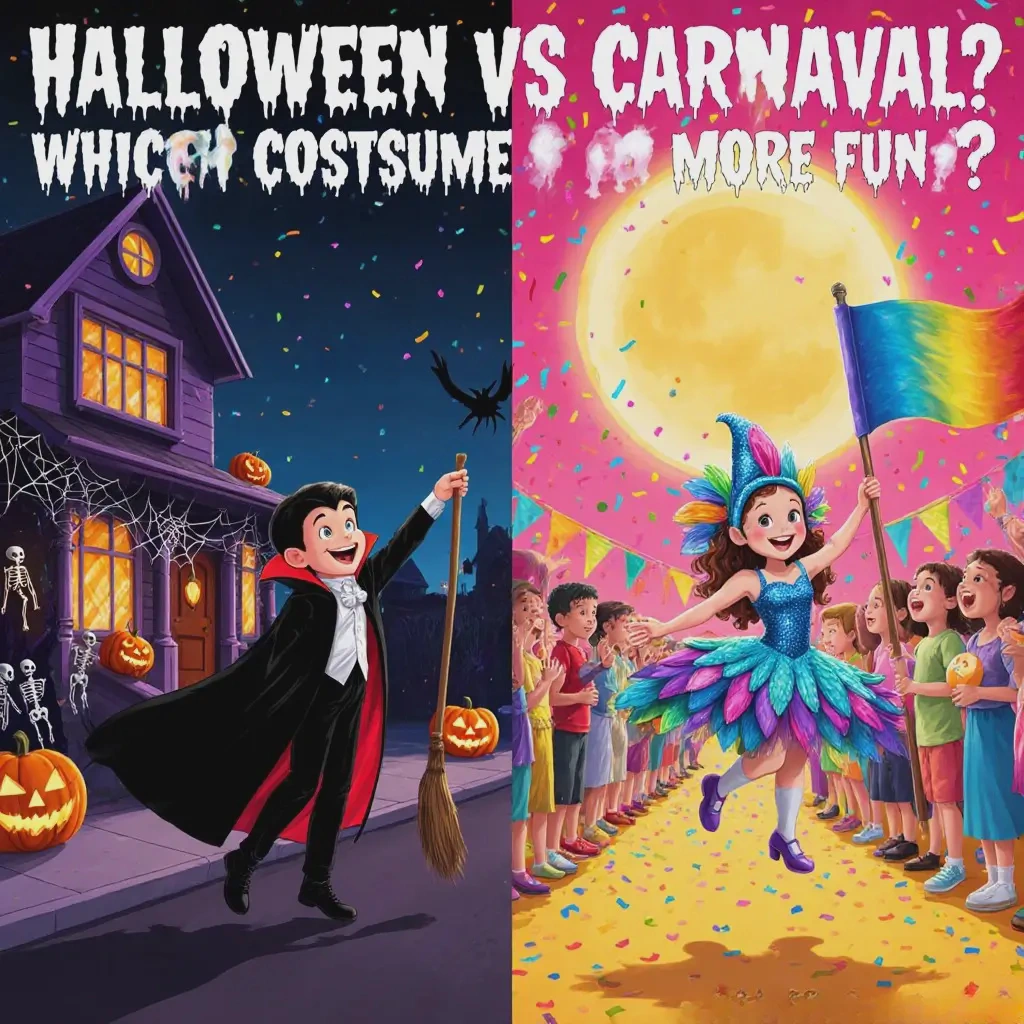
- Halloween is inherently linked to spooky and supernatural themes. Children's performance costumes for Halloween often draw inspiration from classic horror elements such as ghosts, vampires, witches, and zombies. For example, a ghost costume might feature a white, flowing sheet-like fabric with cut-out eyes, creating an instantly recognizable and eerie look. These costumes are designed to evoke a sense of fear and mystery, which can be thrilling for kids. They often come with detailed accessories like fake fangs for vampires, broomsticks for witches, or chains for zombies, enhancing the overall theme.
- Additionally, Halloween costumes may incorporate pop culture references from horror movies, TV shows, or video games. A child might dress up as a character from "Stranger Things" or a popular anime-inspired ghost, making the costume not only spooky but also relatable to contemporary media that they enjoy.
- Limited Color Palette with Impact
- The color palette for Halloween children's performance costumes is typically limited to darker, more sinister colors. Black, orange, purple, and white are common choices. Black represents darkness and evil, orange is associated with pumpkins and the harvest season, purple often symbolizes magic, and white can be used to create a ghostly or spectral appearance. This restricted color scheme helps to create a cohesive and spooky aesthetic. For instance, a black and orange pumpkin-themed costume or a purple and black witch costume immediately conveys the Halloween spirit.
1.2 Carnival Costumes
- Vibrant and Exuberant Designs
- Carnival costumes are known for their flamboyant and colorful designs. They are a celebration of joy, music, and dancing. These costumes often feature bright, neon colors, sequins, feathers, and elaborate beading. For example, a carnival - inspired bird - themed costume might be adorned with multicolored feathers, shiny sequins, and bold, vivid hues to represent the tropical and lively atmosphere of a carnival. The designs are intended to be eye-catching and to make the wearer stand out in a crowd.
- Carnival costumes can also be highly creative, taking inspiration from various sources such as animals, mythical creatures, or even abstract concepts. A child could wear a costume inspired by a mermaid, with a tail made of iridescent fabric and a top covered in seashell-like beads, or a costume based on a magical unicorn, complete with a glittery horn and a flowing, rainbow - colored mane.
- Unrestricted Color Palette
- Unlike Halloween costumes, carnival costumes have no limitations on the color palette. They can incorporate any color of the rainbow, often in a riotous combination. The use of bright pinks, electric blues, sunny yellows, and lime greens adds to the festive and energetic feel of the carnival. These colors are chosen to create a sense of celebration and to bring a smile to everyone's face.
2. Occasion - Specific Fun Elements
2.1 Halloween Children's Performance
- Trick - or - Treat and Haunted House Fun
- Halloween children's performance costumes are closely associated with the activities of trick - or - treating and visiting haunted houses. Dressing up in a spooky costume and going door - to - door asking for candy is a classic Halloween tradition. The costumes add to the excitement of the experience, as children get to play the role of their favorite spooky characters. In a haunted house setting, the costumes help them blend in with the scary environment, and they can participate in the spooky scenarios, whether it's being chased by a "monster" or solving a spooky mystery.
- There are also often Halloween-themed school performances or parties where children can show off their costumes and perform skits or dances related to the holiday. These events are filled with a sense of anticipation and a bit of fright, which is part of the unique fun of Halloween.
- Narrative - Driven Fun
- Halloween costumes often come with a built-in narrative. A child dressed as a pirate, for example, can create a story about searching for buried treasure, encountering sea monsters, or battling rival pirates. This narrative-driven aspect allows children to use their imagination and engage in pretend play, adding an extra layer of fun to the experience. They can interact with other children in costumes, creating shared stories and adventures.
2.2 Carnival Celebrations
- Parades and Dancing
- Carnival is all about parades, music, and dancing. Children in carnival costumes can participate in parades, either in the neighborhood, at a local festival, or in a larger city-wide celebration. They can dance to the rhythmic music, wave colorful flags, and show off their elaborate costumes. The energetic atmosphere of the parade, with the sounds of drums, trumpets, and people cheering, makes it an incredibly fun and memorable experience.
- Many carnivals also have dedicated dance areas where children can let loose and show off their moves. The flamboyant costumes enhance the joy of dancing, as they add to the visual spectacle and make the children feel like stars of the show.
- Carnival Games and Activities
- Carnivals typically offer a wide range of games and activities, such as ring-toss, face-painting, and puppet shows. Children in their colorful carnival costumes can move from one activity to another, enjoying the various forms of entertainment. The costumes add to the overall festive mood, and the children can feel like they are part of a magical, carnival-themed world.
3. Comfort and Practicality
3.1 Halloween Children's Performance Costumes
- Variable Comfort Based on Design
- The comfort of Halloween children's performance costumes can vary greatly depending on the design. Some costumes, like a simple ghost sheet, can be relatively comfortable as they are loose-fitting and made of lightweight fabric. However, more elaborate costumes, such as a full-body vampire suit with a cape and a tight-fitting collar, may be less comfortable. Accessories like fake fangs or masks can also be restrictive or itchy, potentially reducing the overall comfort of the costume.
- Since Halloween often takes place in the fall, the weather can be cool. Some costumes may need to be layered with warm clothing underneath, which can sometimes affect the look or mobility of the costume. For example, adding a thick sweater under a witch's dress might make it look bulky.
- Practicality for Short-Term Wear
- These costumes are generally designed for short - term wear, such as a few hours of trick - or - treating or a school party. They may not be as durable or practical for long-term use. The spooky elements, like fake blood or glow - in - the - dark parts, may be prone to damage or fading after a single use.
3.2 Carnival Costumes
- Designed for Movement and Comfort
- Carnival costumes are often designed with movement in mind. The use of lightweight fabrics, like chiffon or cotton, and the absence of overly restrictive elements make them comfortable for children to dance and move around in. For example, a carnival-style tutu made of layers of tulle is both lightweight and allows for easy movement, which is perfect for dancing in a parade.
- Many carnival costumes also have adjustable features, such as elastic waistbands or ties, to ensure a comfortable fit for different body types. This adaptability makes them suitable for a wide range of children.
- Longer - Lasting and More Practical
- Carnival costumes are often more durable as they are expected to be worn and reused in multiple carnival-related events. The materials used are usually of better quality, and the construction is more robust. The elaborate decorations, like sequins and beads, are often sewn on securely, making the costume more practical for long-term use.
4. Conclusion
- It Depends on the Child's Preference
- Whether a Halloween children's performance costume or a carnival costume is more fun depends on the individual child's interests and personality. A child who loves spooky stories, pretend play, and the thrill of a bit of fear may find Halloween costumes more fun. The opportunity to transform into a scary character, go trick-or-treating, and participate in haunted-house adventures offers a unique kind of excitement.
- On the other hand, a child who enjoys bright colors, dancing, and being part of a large, energetic celebration may prefer carnival costumes. The vibrant designs, participation in parades, and the wide range of carnival games and activities provide a different but equally enjoyable form of fun.
- Both Offer Unique Experiences
- In conclusion, both types of costumes offer distinct and wonderful experiences for children. They are both integral parts of their respective festivals, and either can provide hours of entertainment and memories for kids.