Better Ways to Design a DIY Anime Cosplay Costume in China
News /
11/06/2025
1. Research and Inspiration
1.1 In-depth Anime Study
- Character Analysis: Before starting the design, thoroughly analyze the anime character you want to cosplay. In China, anime fans often have a deep understanding of the source material. Pay attention to the character's personality, backstory, and the context in which they appear. For example, if you're cosplaying a heroic character from a Chinese-inspired anime like "NieR: Automata" (which has some Asian - influenced elements), understanding their role as a savior can help you capture their essence in the costume. Notice details such as their body language, which might be reflected in the way the costume drapes or the posture it encourages.
- Visual Cues: Examine the visual elements of the character's design. Chinese anime often incorporates unique art styles, from the detailed and elaborate designs in historical-themed animes to the more modern and streamlined looks in cyberpunk animes. Look at the color palette, the type of clothing (traditional Chinese robes, modern-day school uniforms, or high-tech armor), and any distinctive patterns or symbols. For instance, in an anime set in ancient China, the character's costume might feature traditional Chinese patterns like the dragon or the cloud pattern, which are rich in cultural significance.
1.2 Chinese Cultural References
- Traditional Chinese Elements: Incorporate traditional Chinese cultural elements into your DIY cosplay. China has a long history of fashion, from the Hanfu (traditional Han Chinese clothing) to the Qipao. For an anime cosplay, you could adapt the silhouette of a Hanfu, with its flowing sleeves and loose-fitting robes, into a modern anime-inspired costume. You might use Chinese silk, known for its luxurious texture, to add an authentic touch. Additionally, traditional Chinese embroidery techniques can be used to create intricate patterns on the costume, whether it's floral designs or more symbolic patterns like the yin-yang symbol.
- Mythology and Folklore: Draw inspiration from Chinese mythology and folklore. Creatures like the phoenix, the koi fish, or the celestial guardians are often depicted in Chinese anime. You can incorporate these mythical elements into your costume design. For example, you could create a headpiece in the shape of a phoenix, or use koi - fish - inspired colors and patterns on your clothing. This not only adds a unique touch but also pays homage to China's rich cultural heritage.
2. Material Selection
2.1 Authentic and Durable Fabrics
- Fabric Quality: In China, there is a wide variety of high-quality fabrics available. For a DIY anime cosplay costume, choose fabrics that are not only authentic in appearance but also durable. If the character's costume is made of leather, look for real-leather alternatives or high-quality synthetic leather that can withstand wear and tear. For flowing robes, silk or satin can give a luxurious look, while cotton - based fabrics can be more practical for everyday - wear - inspired anime costumes. For example, if you're cosplaying a character with a long, flowing cape, a high-quality polyester-satin blend can provide the right amount of sheen and drape.
- Colorfastness: Ensure that the fabrics you choose have good colorfastness. Since anime costumes often feature bright and vivid colors, you don't want the colors to fade after a few washes or during long-term use. Look for fabrics that are pre-treated for colorfastness or consider using fabric dyes that are known for their long-lasting properties. This is especially important if your cosplay involves intricate color combinations or unique color schemes.
2.2 Specialty Materials
- Light-up and Shiny Elements: To add a unique touch to your cosplay, consider using specialty materials. In China, you can find a range of light-up fabrics, LED-embedded materials, or holographic fabrics. These can be used to create elements like glowing weapons, futuristic accessories, or shiny accents on the costume. For an anime set in a cyber-world, you could use a holographic fabric to create a skirt or a cape that shimmers and changes color as the wearer moves.
- Textured and Embellished Materials: Textured materials like lace, faux fur, or beaded fabrics can enhance the visual appeal of your cosplay. If the anime character has a detailed and ornate costume, using these materials can help bring the design to life. For example, lace can be used to create delicate cuffs or collars, while faux fur can add a touch of warmth and texture to a winter-themed cosplay.
3. Pattern Making and Construction
3.1 Accurate Pattern Drafting
- Measurements and Proportions: Take accurate measurements of your body to ensure a proper fit for the costume. In China, there are many resources available, such as local tailoring shops or online tutorials, that can guide you through the process of taking body measurements. When drafting the pattern, pay attention to the proportions of the anime character's body. If the character has an exaggerated physique, adjust the pattern accordingly. For example, if the character has very broad shoulders, you may need to widen the shoulder area of the pattern.
- Pattern Simplification and Adaptation: Simplify the anime character's costume design into a workable pattern. Anime costumes can sometimes be extremely complex, with multiple layers and detailed shapes. Break down the design into basic patterns that can be easily sewn together. For instance, if the character has a multi-layered dress, start by creating separate patterns for each layer and then adjust them to fit together seamlessly.
3.2 Construction Techniques
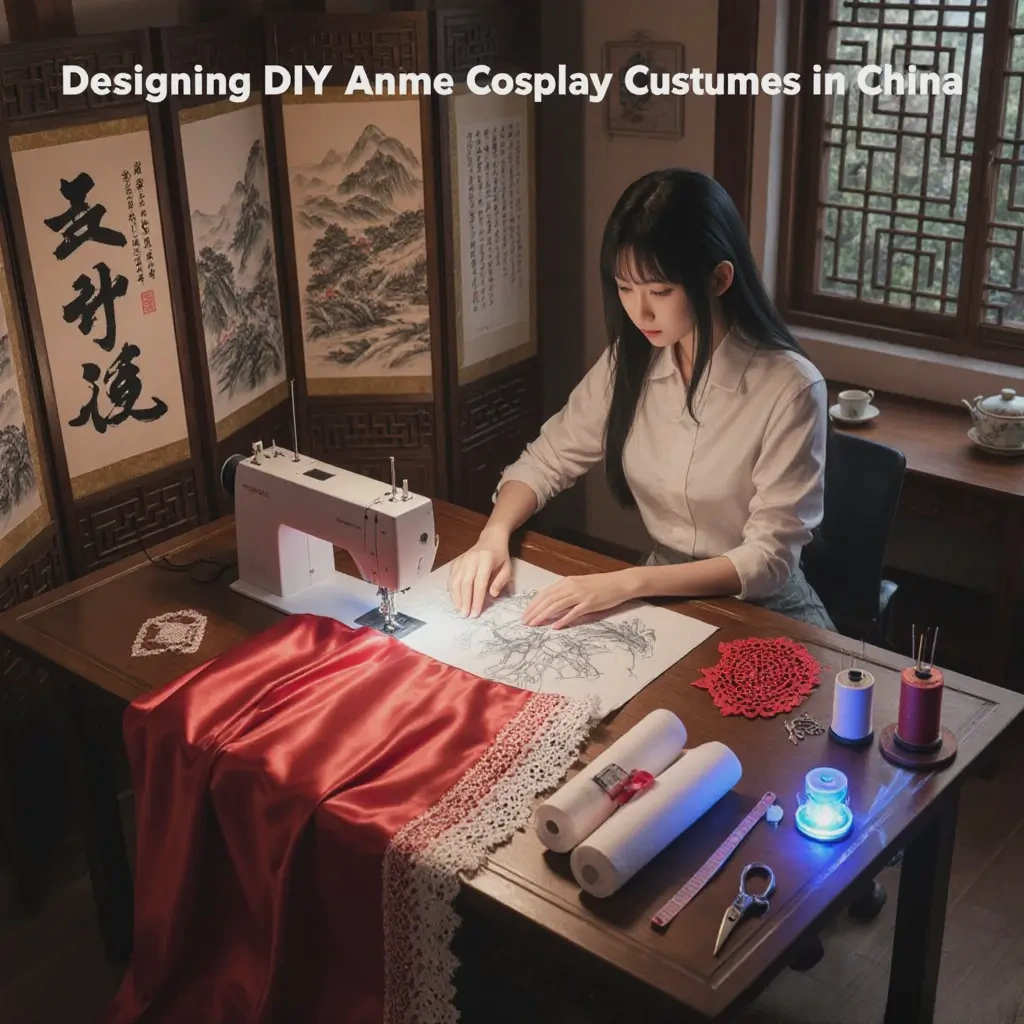
- Sewing and Assembly: Use appropriate sewing techniques to construct the costume. In China, there is a rich tradition of sewing and craftsmanship. If you're sewing a costume with a lot of seams, make sure to use strong and neat stitches. For intricate details like ruffles or pleats, follow proper sewing techniques to ensure they look professional. You can also use sergers or overlocking machines to finish the edges of the fabric, preventing fraying.
- Attachment of Accessories: When attaching accessories to the costume, use strong adhesives or sewing methods. If you're adding a belt or a piece of jewelry to the costume, make sure it is securely attached. For heavier accessories like a sword or a shield, you may need to reinforce the attachment points on the costume to prevent them from falling off during the cosplay.
4. Customization and Personal Touch
4.1 Adding Chinese-inspired Details
- Calligraphy and Chinese Characters: Incorporate Chinese calligraphy or characters into the costume. You can write meaningful phrases, the character's name, or symbols related to the anime's theme. For example, if the anime is about martial arts, you could write Chinese characters related to martial virtue or techniques on the back of the costume. This not only adds a personal touch but also showcases Chinese culture.
- Regional and Local Influences: Draw inspiration from different regions of China. Each region in China has its own unique cultural characteristics and art forms. For example, if you're from a region known for its paper - cutting art, you could incorporate paper - cutting - inspired patterns into the costume. This can make your cosplay stand out and add a sense of local pride.
4.2 Incorporating Modern Trends
- Contemporary Fashion Elements: Blend contemporary fashion trends with the anime-inspired design. In China, the fashion scene is constantly evolving. You can add elements like modern-day zippers, studs, or trendy color combinations to the traditional anime cosplay design. For example, if the anime character has a traditional-style robe, you could add a modern zipper to the front for a more edgy look.
- Functional and Practical Modifications: Make functional and practical modifications to the costume. Since cosplaying often involves long hours of wearing the costume, consider adding features like hidden pockets for storing small items or adjustable straps for a better fit. This can enhance the overall comfort and usability of the cosplay.
5. Conclusion
- Cultural and Creative Fusion: Designing a DIY anime cosplay costume in China offers a great opportunity to blend Chinese culture, modern trends, and anime - inspired creativity. By following these better ways, you can create a unique and high - quality cosplay costume that not only represents your favorite anime character but also showcases your personal style and cultural background.
- Community and Sharing: Once your cosplay is complete, sharing it within the Chinese cosplay community can be a rewarding experience. You can participate in local cosplay events, share your work on social media platforms, and inspire others with your creative design.