Traditional Japanese Kimono or Modern Anime Outfit: A Battle of Wearability?
News /
11/13/2025
Introduction
When it comes to choosing an outfit, especially for special occasions or cultural events, the decision between a traditional Japanese kimono and a modern anime outfit can be influenced by many factors, including ease of wear. Both have their unique charm, but the practicality of putting them on, moving around in, and maintaining them can vary significantly.
1. Donning the Traditional Japanese Kimono
1.1 Complex Wrapping and Tying
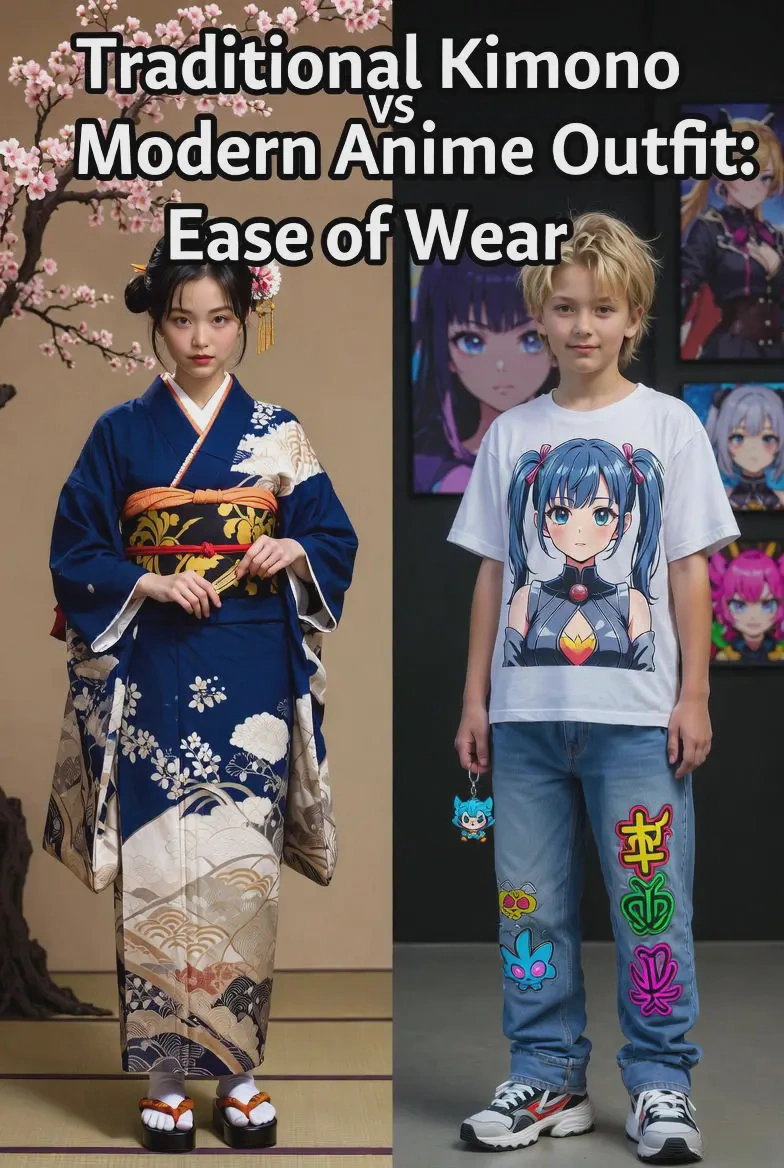
- Multiple Layers and Obi Knotting: A traditional kimono is composed of multiple layers, starting with a simple undergarment called a juban. Over this, the kimono itself is wrapped around the body, with the left side overlapping the right (a significant cultural convention). The most intricate part is tying the obi, a wide sash. There are numerous styles of obi-knotting, each requiring precise folding and tying techniques. For example, the taiko musubi knot, which resembles a traditional Japanese drum, is a popular choice but can be quite challenging to master. It often takes practice to get the knot tight, symmetrical, and aesthetically pleasing.
- Adjusting for Fit: Since kimonos are often one - size - fits - most, adjusting the fit is crucial. The length of the kimono may need to be adjusted by folding it at the waist or using special clips to ensure it doesn't drag on the ground. The sleeves also need to be positioned correctly to maintain the traditional look. This process of adjusting for a proper fit can be time-consuming and requires some knowledge of kimono-wearing etiquette.
1.2 Footwear and Accessories
- Specific Footwear Requirements: Traditional Japanese footwear for kimonos includes geta (wooden clogs) or zori (sandals). These shoes have a unique design and are worn with tabi, a type of split-toe sock. Wearing geta requires some balance, as they have a raised platform, and getting used to walking in them can take time. Additionally, the way the tabi is worn with the footwear needs to be correct to maintain the overall look.
- Accessorizing Properly: Kimonos are accessorized with various items such as kanzashi (hairpins), hanafuda (flower cards), and fans. These accessories not only enhance the aesthetic but also need to be chosen and placed in a way that adheres to traditional norms. For example, the type of kanzashi worn can depend on the occasion, season, and the overall style of the kimono.
2. Slipping into a Modern Anime Outfit
2.1 Familiar Clothing Styles
- Casual and Easy - to - Wear Silhouettes: Modern anime outfits often draw inspiration from everyday clothing styles. They may feature t - t-shirts, jeans, or dresses with anime-inspired prints or designs. For instance, an outfit inspired by a popular anime might consist of a simple t-shirt with a character logo and a pair of jeans. These are familiar clothing items that people are accustomed to wearing, making them easy to slip into. There's no complex wrapping or knot-tying involved, and the fit is usually more straightforward, as they are often designed in standard clothing sizes.
- Simple Fastening Methods: Anime outfits typically use common fastening methods like zippers, buttons, or elastic bands. A jacket from an anime-inspired ensemble might have a zipper in the front, which is quick and easy to use. This simplicity in fastening allows for a hassle-free dressing experience, especially when compared to the more elaborate tying methods of a kimono.
2.2 Adaptable Accessories
- Versatile Accessory Choices: Accessories for modern anime outfits are more flexible. They can range from simple items like keychains with anime characters to more elaborate props like wands or swords (for cosplay-inspired outfits). These accessories can be added or removed easily, and there are no strict cultural rules dictating their use. For example, a cosplayer might choose to wear a pair of cat-ear headbands with an anime-inspired dress, and the combination can be adjusted according to personal preference.
- Less - Restrictive Footwear: Footwear for anime outfits can be a wide variety of options, from sneakers to boots. There are no specific cultural requirements regarding the type of footwear, so individuals can choose what is most comfortable for them. A pair of trendy sneakers can complete an anime-inspired street-style outfit, allowing for easy movement and comfort.
3. Mobility and Comfort
3.1 Kimono: Graceful but Restrictive
- Limited Range of Motion: The traditional kimono, with its long, flowing sleeves and tight-fitting obi, can be somewhat restrictive in terms of movement. The long sleeves may get in the way when performing tasks that require a lot of arm movement, and the tight obi can constrict the abdomen. For example, trying to run or do strenuous activities in a kimono can be difficult. However, for more formal, slow-paced events like tea ceremonies or traditional performances, the kimono's design allows for a graceful and elegant presence.
- Comfort in Controlled Environments: In a controlled environment where sitting or slow walking is the norm, the kimono can be comfortable. The soft, breathable fabrics used in high-quality kimonos, such as silk, feel pleasant against the skin. But if the environment is hot, the multiple layers can make the wearer feel warm, and if the obi is too tight, it can cause discomfort around the waist.
3.2 Anime Outfit: Flexible and Comfort-Oriented
- Freedom of Movement: Modern anime outfits are generally designed for a wide range of movement. Whether it's running, jumping, or simply sitting for long periods, the clothing allows for unrestricted motion. For example, a pair of loose-fitting anime-inspired pants and a t-shirt will not impede movement, making it suitable for various activities, from attending anime conventions to casual outings.
- Adaptability to Different Conditions: Anime outfits can be more adaptable to different weather conditions. In hot weather, lightweight and breathable materials like cotton can be used, and in cold weather, layers can be added easily. There are no strict rules about the number of layers or the type of fabric based on cultural norms, so individuals can adjust their outfits according to their comfort needs.
4. Maintenance and Care
4.1 Kimono: Delicate and Labor-Intensive
- Fabric Care: Kimonos are often made of delicate fabrics, especially silk. Silk kimonos require special care, such as dry-cleaning or gentle hand-washing with mild detergents. The colors of silk kimonos can fade if not washed properly, and the fabric can be easily damaged by rough handling. Additionally, the obi, which may be made of a different fabric, also needs to be cared for separately.
- Storage Requirements: Storing a kimono correctly is essential to maintain its shape and quality. It should be hung on a special kimono hanger to prevent the fabric from stretching or wrinkling. The kimono needs to be stored in a cool, dry place away from direct sunlight to avoid color fading. Folding a kimono incorrectly can leave permanent creases, so it's important to follow proper folding techniques.
4.2 Anime Outfit: Easier Maintenance
- Simple Cleaning: Most modern anime outfits are made of more common fabrics like cotton or polyester, which are easy to clean. They can usually be machine-washed on a regular cycle with standard laundry detergents. Even if the outfit has printed designs, as long as the printing is of good quality, it can withstand normal washing without significant damage.
- Flexible Storage: Anime outfits can be stored more straightforwardly. They can be folded and placed in a drawer or hung in a closet like regular clothing. There are no specific cultural requirements for storage, so individuals can choose the most convenient way to store their anime-inspired clothing.
5. Conclusion
5.1 Ease Depends on the Context
- The answer to which is easier to wear, a traditional Japanese kimono or a modern anime outfit, depends on the context. For formal, traditional events where cultural authenticity and grace are valued, the kimono is a wonderful choice, despite its complexities. However, for everyday wear, casual outings, or activities that require a lot of movement, the modern anime outfit offers greater ease and comfort.
5.2 Appreciating Both Styles
- Both the traditional Japanese kimono and the modern anime outfit have their own unique appeal. While the kimono represents centuries of Japanese culture and craftsmanship, the anime outfit reflects the contemporary and dynamic world of anime and pop culture. Understanding the ease of wear of each can help individuals make an informed choice based on their needs and preferences.