Light - Up Princess Dress vs Regular Princess Gown: Which Is Safer for Kids?
News /
11/13/2025
Introduction
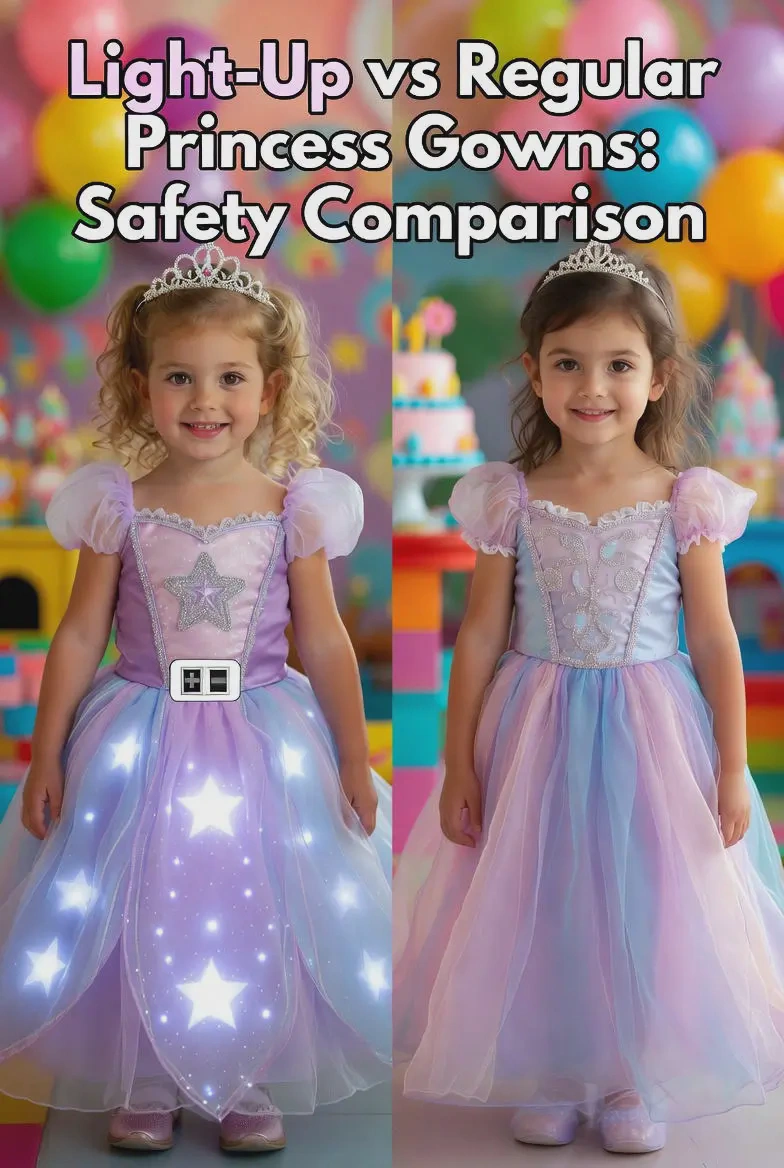
Wh.noen choosing a princess dress for kids, safety is a top concern. Light-up princess dresses have become increasingly popular, adding a touch of magic with their illuminated features. However, it's essential to compare their safety aspects with those of regular princess gowns. This article will explore various safety factors to help you make an informed decision.
1. Electrical and Battery - Related Safety (Light-Up Dresses)
1.1 Battery Compartment Security
- Secure Closures: In light-up princess dresses, the battery compartment should have a secure closure. Many dresses use snap-on lids, screws, or Velcro to keep the batteries in place. A well-designed closure prevents kids from accidentally opening the compartment and accessing the batteries, which can be a choking hazard. For example, a dress with a snap-on battery compartment lid that requires some pressure to open is less likely to be opened by a curious child.
- Child-Resistant Design: Some battery compartments are designed with child-resistant features. These may include recessed areas where the batteries are placed, making it difficult for small fingers to reach and remove them. Additionally, the design may require a tool, like a small screwdriver, to open, further reducing the risk of accidental battery exposure.
1.2 Battery Type and Voltage
- Low-Voltage Batteries: Most light-up princess dresses use low-voltage batteries, such as button-cell batteries (e.g., CR2032) or small AA/AAA batteries. Low-voltage batteries pose a lower risk of electric shock compared to higher-voltage ones. However, it's still important to ensure that the battery contacts are properly insulated to prevent any short-circuits or accidental contact with the skin.
- Avoiding High-Risk Batteries: High-voltage or large-capacity batteries should be avoided in kids' light-up dresses. These types of batteries can be more dangerous if mishandled, potentially causing serious harm in case of a short-circuit or if the battery leaks.
1.3 Electrical Wiring and LED Safety
- Encased Wiring: The electrical wiring in light-up dresses should be well-encased within the fabric. This protects the wires from being exposed, which could pose a risk of electric shock or entanglement. The wires should be sewn or glued in place securely, and there should be no loose or frayed ends.
- LED Durability: The LED lights in the dress should be durable and firmly attached. Loose LEDs can be a choking hazard. High-quality light-up dresses use LEDs that are either soldered or glued onto a circuit board, reducing the chances of them coming loose during normal wear and tear.
2. Fabric and Fire Safety (Both Dresses)
2.1 Flame - Retardant Fabrics
- Compliance with Standards: Both light-up and regular princess gowns should be made of flame-retardant fabrics. In many countries, there are strict safety standards regarding the flammability of children's clothing. Flame-retardant fabrics are designed to slow down the spread of fire, giving kids more time to get to safety in case of a fire hazard. For example, a princess dress made of a fabric that meets the ASTM F1506 standard for flame-retardancy is considered safe in terms of fire resistance.
- Testing and Certification: Reputable manufacturers will test their fabrics for flame-retardancy and obtain relevant certifications. Parents should look for labels or product descriptions that indicate the dress meets fire safety standards. Some common certifications include the CPSIA (Consumer Product Safety Improvement Act) compliance label in the United States.
2.2 Fabric Quality and Skin Sensitivity
- Non-Irritating Fabrics: The fabric of the princess dress should be non-irritating to a child's skin. Both light-up and regular gowns should be made of soft, breathable materials like cotton or cotton-blend fabrics. These fabrics are less likely to cause skin rashes or allergic reactions. Avoid dresses made of rough or synthetic fabrics that may rub against the skin and cause discomfort.
- Hypoallergenic Considerations: For kids with sensitive skin, hypoallergenic fabrics may be a better choice. Some dresses are specifically labeled as hypoallergenic, indicating that they are less likely to cause an allergic reaction. This can be especially important for children who are prone to skin sensitivities.
3. Fit and Mobility Safety (Both Dresses)
3.1 Proper Sizing
- Avoiding Overly Loose or Tight Fits: Whether it's a light-up or regular princess gown, proper sizing is crucial for safety. An overly loose dress can pose a tripping hazard, as the child may step on the hem or the fabric may get caught on furniture. On the other hand, a dress that is too tight can restrict the child's movement and cause discomfort. Measuring the child accurately and referring to the manufacturer's size chart can help ensure a proper fit.
- Growth Room Consideration: When purchasing a princess dress, it's also important to consider the child's growth. Buying a dress that has a little extra room can allow the child to wear it comfortably for a longer period without sacrificing safety. However, the extra room should not be excessive to avoid the tripping hazard.
3.2 Mobility - Friendly Design
- Unrestricted Movement: The design of the dress should allow for unrestricted movement. This is important for kids to play, run, and dance safely. Dresses with a full, flowing skirt can provide freedom of movement, but they should not be too long or bulky to cause tripping. Some light-up dresses may have additional features like adjustable straps or elasticized waistbands to ensure a comfortable fit and easy movement.
4. Conclusion
4.1 Weighing the Safety Factors
- Both light-up princess dresses and regular princess gowns can be safe for kids if they meet certain safety criteria. Light-up dresses need to ensure electrical and battery-related safety, while both types of dresses should prioritize fabric and fire safety, as well as fit and mobility safety.
4.2 Informed Decision - Making
- By carefully considering these safety aspects, parents can make an informed decision when choosing between a light - up princess dress and a regular princess gown. The ultimate goal is to provide a safe and enjoyable dressing - up experience for the child.