Halloween Child's Performance Costume VS Regular Party Outfit: What Sets Them Apart?
Introduction
When it comes to dressing up children for special occasions, the choice between a Halloween child's performance costume and a regular party outfit is significant. Each serves a distinct purpose and has unique characteristics that set it apart. Understanding these differences can help parents make the right choice for their child's event.
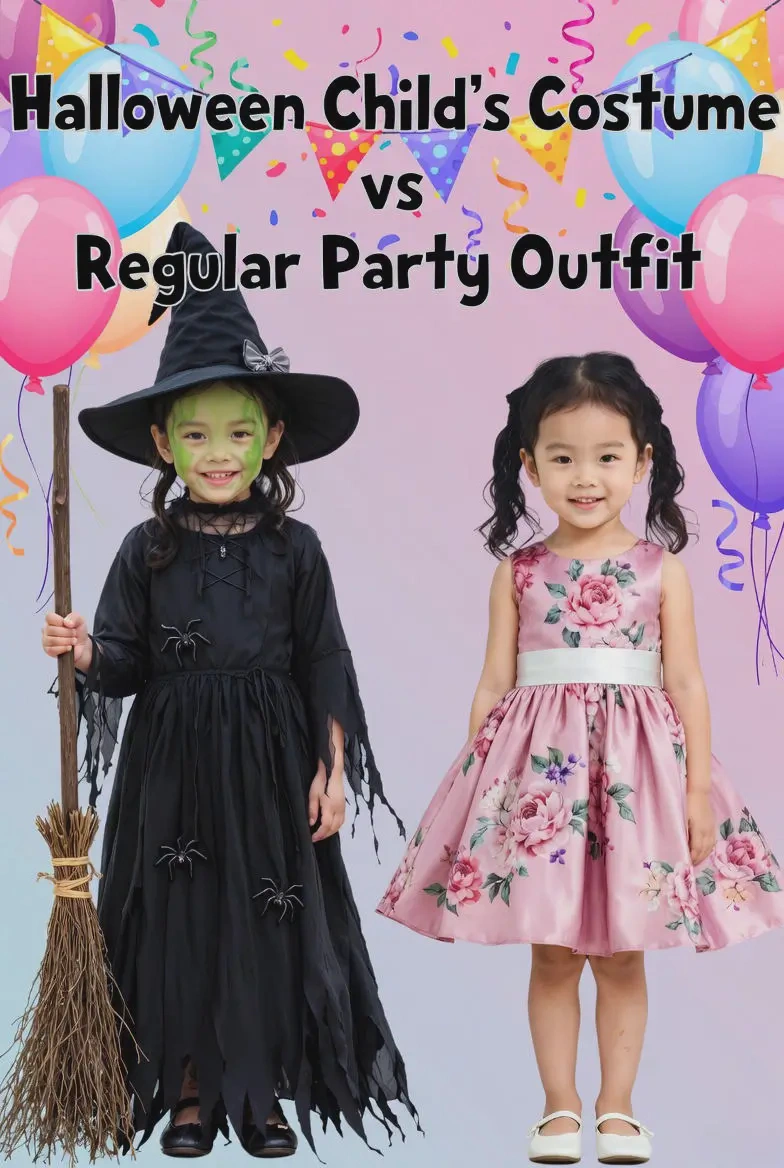
1. Design and Theme
1.1 Halloween Child's Performance Costume
- Spooky and Themed - to - the - Holiday: Halloween costumes are deeply rooted in the spooky and festive themes of the holiday. They often feature elements like ghosts, witches, vampires, or monsters. For example, a child might dress as a werewolf with shaggy fur, sharp claws, and a menacing howl-ready face. These costumes are designed to evoke the spirit of Halloween, with a focus on creating a spooky or fun, scary atmosphere.
- Character-Driven Design: Many Halloween costumes are based on well-known characters from movies, TV shows, fairy tales, or video games. A child could be dressed as Elsa from "Frozen," complete with a flowing blue dress and a magic-themed accessory like a snowflake-adorned wand. The design is centered around bringing these beloved characters to life in a Halloween-appropriate way.
1.2 Regular Party Outfit
- Versatile and Season-Neutral: Regular party outfits are more versatile in terms of theme. They are not tied to a specific holiday or spooky concept. Instead, they are designed to be suitable for various types of parties throughout the year. A little girl might wear a pretty floral dress for a spring or summer party, or a smart-looking suit for a formal occasion. The colors and patterns are often more season-neutral, allowing the outfit to be reused for different events.
- Fashion - Forward and Age - Appropriate: Regular party outfits tend to follow current fashion trends while also being age-appropriate. For younger children, this could mean bright colors, cute prints, and comfortable yet stylish designs. Older kids might opt for more sophisticated and trendy looks, like a denim jumpsuit for a casual party or a sequined dress for a more formal one.
2. Functionality and Mobility
2.1 Halloween Child's Performance Costume
- Designed for Performance and Showmanship: Halloween children's performance costumes are often designed with the idea of a child performing or showing off. They may include props like a broomstick for a witch, a plastic sword for a pirate, or a cape for a superhero. These props add to the character and the overall performance aspect. However, they can sometimes limit mobility, as the child needs to manage the prop while moving around.
- Some Restrictions for Dramatic Effect: To achieve a specific look, Halloween costumes may have elements that restrict movement to some extent. A mummy costume with long, wrapped bandages might make it a bit difficult for the child to run around freely. But for the short-term nature of a Halloween performance or a few hours at a party, this is often acceptable as the focus is on the visual impact.
1.2 Regular Party Outfit
- Comfort and Freedom of Movement: Regular party outfits prioritize comfort and unrestricted movement. They are designed for children to be able to play, dance, and socialize easily. For example, a pair of soft, stretchy leggings and a loose-fitting top for a girl or comfortable trousers and a shirt for a boy allow for free movement. This is important as parties usually involve a lot of activity, and children need to be able to move without hindrance.
- Practical for Extended Wear: Since regular party outfits are expected to be worn for longer periods, they are made from comfortable materials that can withstand hours of use. The fabric is breathable, and the design doesn't cause discomfort, even if the child is active for an extended time.
3. Durability and Quality
3.1 Halloween Child's Performance Costume
- Often Made for Short-Term Use: Halloween costumes are typically made for short-term use, usually just for the duration of the Halloween season. They may be made from less durable materials to keep the cost down. For instance, a costume with a printed fabric that may fade after a few wears or a plastic accessory that could break easily. However, there are also high - quality Halloween costumes available for those who want a more long - lasting option.
- Focus on Visual Impact over Long - Term Durability: The primary focus of a Halloween costume is on creating a strong visual impact. As a result, the quality of the materials may take a backseat. The costume is designed to look great for a single event or a few uses during the Halloween period.
1.2 Regular Party Outfit
- Higher Quality for Reusability: Regular party outfits are often of higher quality as they are intended to be reused for multiple parties or special occasions. They are made from better-quality fabrics, such as cotton, silk, or high-quality synthetic materials. The stitching and construction are more robust, ensuring that the outfit can withstand repeated washing and wear.
- Investment in Long-Term Wear: Parents often see regular party outfits as an investment, as they can be used for different events over time. A well-made party dress or a suit can be passed down to younger siblings or worn for various family gatherings, making the higher quality and durability worth the cost.
4. Accessories and Details
4.1 Halloween Child's Performance Costume
- Themed Accessories for Authenticity: Halloween costumes come with a variety of themed accessories to enhance the authenticity of the character. A vampire costume might include fake fangs, a blood-red cape, and a toy coffin. These accessories are essential for creating the complete look and adding to the spooky or fun-filled atmosphere of the Halloween event.
- Over - the - Top Details: The details in a Halloween costume are often over - the - top. From elaborate makeup to large, attention-grabbing decorations, the goal is to make the child stand out and look like the character they are portraying. A pumpkin - themed costume might have a big, three - dimensional pumpkin - shaped headpiece or a skeleton costume with glow - in - the - dark bones.
4.2 Regular Party Outfit
- Subtle Accessories for Style: Regular party outfits have more subtle accessories. A simple hairband, a pair of small earrings, or a cute belt can add a touch of style to the outfit. These accessories are not as over - the - top as those in a Halloween costume but still enhance the overall look in a more refined way.
- Understated Details for Elegance: The details in a regular party outfit are more understated, focusing on elegance and sophistication. Delicate embroidery, a well-placed bow, or a simple pattern can make the outfit look more special without being too flashy.
5. Conclusion
5.1 Understanding the Distinctions
The differences between a Halloween child's performance costume and a regular party outfit are clear in terms of design, functionality, durability, and accessories. Understanding these distinctions helps parents choose the right attire for their child's specific event.
5.2 Selecting the Right Attire
Whether it's the spooky and performance - oriented nature of a Halloween costume or the versatile and comfortable design of a regular party outfit, the right choice ensures that the child looks and feels their best while enjoying the occasion.