How to Find a Comfortable Clown Performance Costume for Long - term Wear?
Introduction
When it comes to clown performances, a comfortable costume is crucial, especially for long-term wear. A well-chosen costume not only enhances the performance but also allows the clown to focus on entertaining the audience without distractions. Here are some key factors to consider when looking for a comfortable clown performance costume.
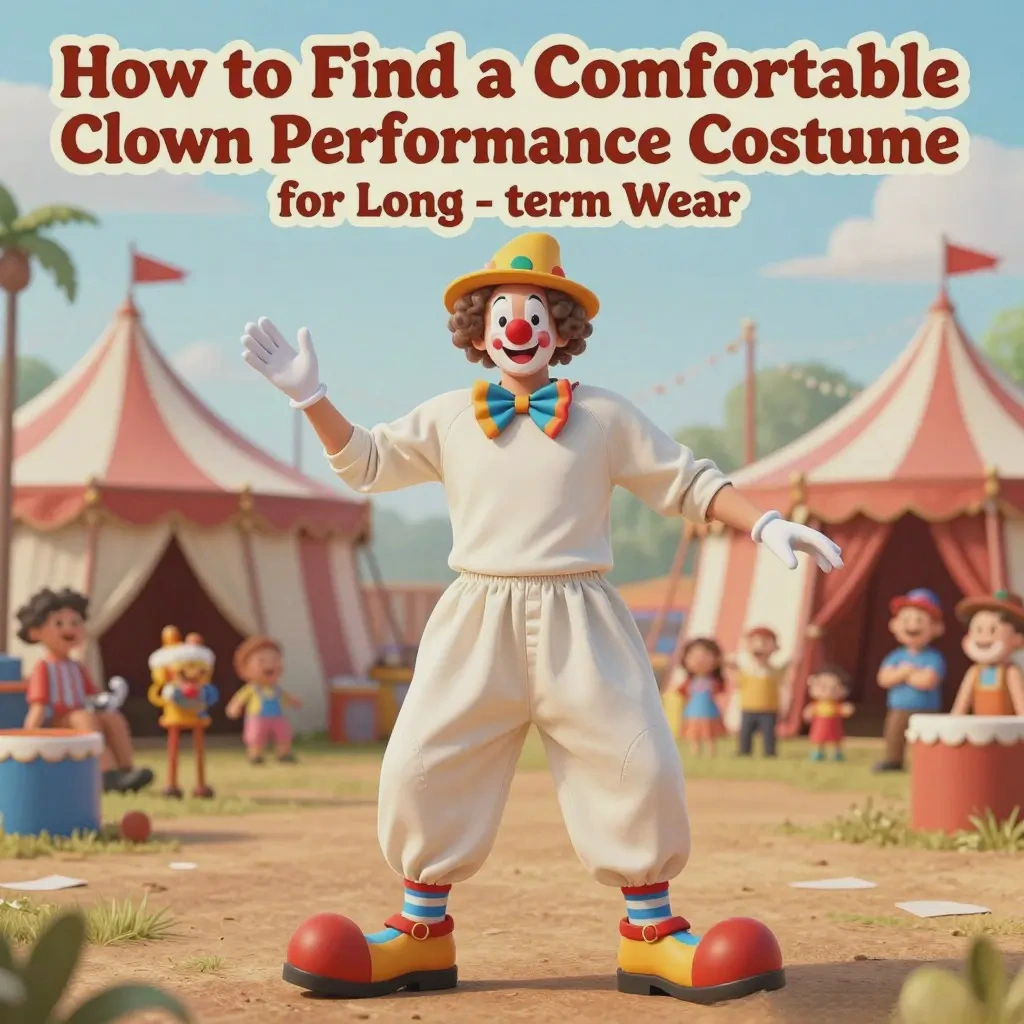
1. Fabric Selection
1.1 Breathability
- Natural Fibers: Opt for costumes made from natural fibers such as cotton or linen. Cotton is highly breathable, allowing air to circulate the body. This helps to keep the clown cool, especially during energetic performances. Linen, too, has excellent breathability and a light, airy feel. For example, a cotton-based clown shirt or a linen-lined pair of pants can prevent sweating and discomfort, even during long shows under hot stage lights.
- Moisture - Wicking Fabrics: Some synthetic fabrics are designed with moisture-wicking properties. These fabrics draw sweat away from the body and onto the surface of the fabric, where it can evaporate more easily. Polyester blends with moisture-wicking technology can be a good option for parts of the costume, like undergarments or base layers, to keep the clown dry and comfortable.
1.2 Softness and Comfort Against the Skin
- Avoid Rough Textures: Ensure that the fabric has a soft texture and is gentle against the skin. Rough or scratchy fabrics can irritate, especially during long-term wear. Synthetic materials with a smooth finish or natural fibers like silk can provide a luxurious and comfortable feel. For instance, a silk-lined clown jacket can add an element of comfort and style.
- Test the Fabric: Before purchasing a costume, test the fabric by touching it against your skin. Pay attention to any areas that may feel abrasive or uncomfortable, such as seams or edges. A soft-feeling fabric will make the long-term wearing experience much more pleasant.
2. Fit and Tailoring
1.1 Proper Sizing
- Accurate Measurements: Take accurate body measurements to ensure the costume fits well. Measure the chest, waist, hips, inseam, and shoulder width. Different brands may have slightly different sizing charts, so it's essential to refer to the specific chart provided by the manufacturer. A well-sized costume will not be too tight, which can restrict movement, or too loose, which can be cumbersome.
- Consider Layers: If the clown costume involves layers, make sure each layer fits properly. For example, if there is a shirt under a jacket, the shirt should not bunch up or feel constricting when the jacket is put on. The layers should work together to provide a comfortable and unrestricted fit.
1.2 Tailoring for Movement
- Articulated Design: Look for costumes with an articulated design. This means that the costume is tailored to move with the body. For example, pants with gusseted crotches or shirts with raglan sleeves can allow for a wider range of motion. A clown often needs to perform acrobatic movements, dance, or interact with the audience, and an articulated design can ensure that the costume does not limit these actions.
- Stretch Fabrics: Some costumes incorporate stretch fabrics, such as spandex or elastane, in key areas like the waist, knees, or elbows. These stretchy sections provide additional flexibility and comfort, allowing the clown to move freely without the costume feeling tight or restrictive.
3. Design and Construction
1.1 Lightweight Construction
- Avoid Heavy Materials: Choose a costume with a lightweight construction. Heavy materials can cause fatigue, especially during long-term wear. For example, a heavy-duty leather-like fabric for a clown's jacket may look impressive, but it can quickly become a burden. Instead, opt for lightweight alternatives like synthetic leather or a lightweight cotton-based - based fabric that still gives the desired look without the added weight.
- Well-Distributed Weight: If the costume has accessories or embellishments, ensure that the weight is well-distributed. Heavy sequins or beads concentrated in one area can cause discomfort and uneven pressure on the body. A well-designed costume will have these elements evenly spread out to maintain balance and comfort.
1.2 Seam and Edge Finishing
- Flat and Smooth Seams: Check the seams of the costume. Flat and smooth seams are less likely to rub against the skin and cause irritation. Overlocked or serged seams that are finished neatly can prevent fraying and ensure a comfortable fit. Additionally, seams should be reinforced in high-stress areas to prevent them from coming apart during the performance.
- Soft Edges: The edges of the costume, such as the collar, cuffs, and hems, should be soft. Rough or sharp edges can dig into the skin, causing discomfort. Look for costumes with rolled edges, bias bindings, or other soft-finishing techniques to ensure a comfortable wearing experience.
4. Footwear and Accessories
1.1 Comfortable Footwear
- Supportive and Flexible: Clown shoes are often a key part of the costume. Choose footwear that is supportive and flexible. The shoes should have a comfortable sole that provides good arch support, especially if the clown will be on their feet for long periods. Flexible soles allow for natural movement and prevent foot fatigue.
- Proper Fit: Ensure that the shoes fit well. They should not be too tight, which can cause blisters, or too loose, which can make it difficult to walk or perform. Some clown shoes may have adjustable straps or laces to ensure a secure and comfortable fit.
1.2 Lightweight Accessories
- Functional and Comfortable Accessories: Accessories like hats, wigs, and gloves should be both functional and comfortable. Hats should fit snugly but not be too tight on the head. Wigs should be made of a lightweight material and have a comfortable cap. Gloves should allow for dexterity and not restrict the movement of the fingers. Avoid accessories that are too heavy, as they can add to the overall discomfort during long-term wear.
5. Conclusion
5.1 Prioritizing Comfort for Performance
Finding a comfortable clown performance costume for long-term wear involves careful consideration of fabric, fit, design, and accessories. By prioritizing comfort, the clown can focus on delivering an engaging and energetic performance, ensuring a memorable experience for both the performer and the audience.
5.2 Enhancing the Clowning Experience
A comfortable costume is an investment in the quality of the clown's performance. It allows the clown to fully immerse themselves in their character and interact with the audience without the distraction of an uncomfortable outfit.