How to Pick an Anime Cosplay Costume That Matches Your Character?
Introduction
Cosp.eciolaying an anime character is a thrilling way to showcase your love for the anime world. Selecting a costume that truly matches your chosen character is essential for an authentic and impactful cosplay. Here are some key steps to help you make the right choice.
1. Thoretcroughly Research the Character
1.1 Study the Character's Appearance
- Examine Visual Details: Carefully analyze every aspect of the character's appearance. Note the color, style, and cut of their clothing. For instance, if you're cosplaying Naruto Uzumaki, his signature orange jumpsuit with blue accents is a defining feature. Pay attention to small details like the placement of pockets, the design of buttons, and the shape of collars. The character's hairstyle is also crucial; Naruto's spiky, blond hair is instantly recognizable. Even the color of their eyes, such as Sasuke Uchiha's black or red-tinted Sharingan eyes, can add authenticity.
- Understand the Character's Aesthetic: Each anime character has a unique aesthetic. Some characters have a sleek, modern look, while others may have a more traditional or fantasy-inspired style. For example, characters from historical-themed anime like “Rurouni Kenshin” have kimono-inspired outfits, which require an understanding of traditional Japanese clothing elements. Understanding this aesthetic helps you choose a costume that captures the essence of the character.
1.2 Explore the Character's Personality and Backstory
- Reflect Personality through Costume: A character's personality can be reflected in their costume. A confident and outgoing character might have a bold - colored, flashy outfit, while a more reserved character could have a simpler, understated one. For example, Lucy from “Elfen Lied” has a white dress that contrasts with her complex and often violent personality. Consider how the costume can convey these personality traits.
- Incorporate Backstory Elements: The character's backstory can also provide inspiration. If a character has a tragic past, their costume might show signs of wear and tear. A character who is a skilled fighter may have armor - like elements or weapons as part of their costume. For instance, Eren Yeager from “Attack on Titan” has a Survey Corps uniform with functional straps and a cape, which are related to his role in the story.
2. Consider Your Body Type
1.2 Find the Right Fit
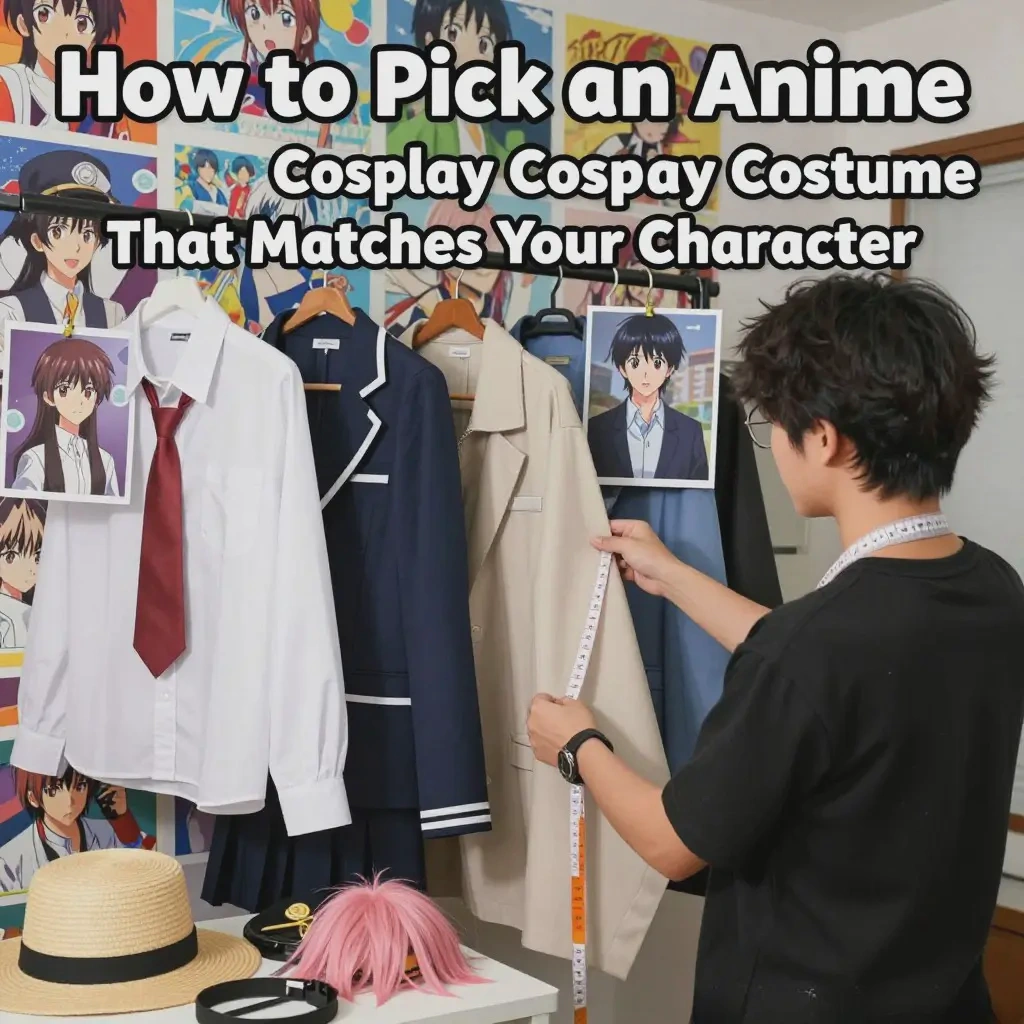
- Accurate Measurements: Take accurate body measurements to ensure the costume fits well. Measure your chest, waist, hips, inseam, and shoulder width. Different brands may have slightly different size charts, so it's crucial to refer to the specific chart provided by the costume manufacturer. A well - fitting costume not only looks better but also allows for ease of movement, which is important for cosplaying.
- Choose the Right Style for Your Body Type: Certain styles of costumes may be more flattering for different body types. If you have a petite frame, a character with a more streamlined, form - fitting outfit might suit you better. For those with a larger build, costumes with looser, flowing fabrics or layered designs can be more comfortable and visually appealing. For example, a plus - size cosplayer might find that a kimono - style costume with a wide obi (sash) is both flattering and in - keeping with many anime character designs.
1.2 Alterations and Customization
- Simple Alterations: If the costume doesn't fit perfectly, consider making simple alterations. This could involve hemming the length of a skirt or pants, adjusting the width of a sleeve, or adding darts to a bodice. These minor adjustments can make a big difference in how the costume looks on you.
- Custom - Made Costumes: For a more precise fit and a truly authentic look, you might consider having a custom - made costume. A tailor or a skilled cosplayer can create a costume based on your measurements and the exact details of the character's outfit. While this option may be more expensive and time - consuming, it can result in a high - quality, one - of - a - kind costume.
3. Evaluate the Quality of the Costume
1.1 Check the Materials
- Authentic - Looking Fabrics: Look for costumes made of materials that closely resemble those in the anime. If the character has a shiny, silk - like outfit, choose a costume made of a fabric with a similar sheen. For a character with a rough, leather - like jacket, a costume made of faux leather can provide an authentic look. The texture, weight, and drape of the fabric are also important factors to consider.
- Durability and Comfort: The costume should be durable enough to withstand wear and tear, especially if you plan to wear it at conventions or events where there will be a lot of movement. At the same time, it should be comfortable. Avoid costumes made of itchy or scratchy materials, and ensure that the fabric allows for breathability, especially if it's a full - body costume.
1.2 Inspect the Construction
- Reinforced Seams: Check the seams of the costume. Reinforced seams are less likely to come apart during wear. Pay attention to areas where the fabric is likely to experience stress, such as the shoulders, knees, and crotch. Well - constructed seams not only add to the durability of the costume but also give it a more professional look.
- Accuracy of Details: The details of the costume, such as embroidery, printing, and the placement of buttons or zippers, should be accurate. These details can make or break the authenticity of the cosplay. For example, if the character has a unique emblem on their chest, the costume should have a well - made, detailed version of that emblem.
4. Accessories and Props
1.1 Essential Accessories
- Signature Accessories: Accessories are often what make a cosplay truly stand out. Identify the character's signature accessories, such as a character's hat, gloves, or belt. For example, Edward Elric from “Fullmetal Alchemist” has a red coat with a large, gold - colored watch on his left arm. These accessories can add a level of authenticity to your cosplay.
- Functionality and Comfort: While accessories should look good, they should also be functional and comfortable to wear. If the character has a large, heavy prop weapon, make sure it's lightweight enough for you to carry around for an extended period. Accessories like belts and headbands should not be too tight or uncomfortable.
1.2 DIY or Store - Bought Props
- DIY Props: Creating your own props can be a rewarding way to add a personal touch to your cosplay. You can use materials like foam, cardboard, and resin to make props that are unique and accurate to the character. For example, you can make a custom - made sword for a samurai - themed character. DIY props also allow you to control the quality and details of the prop.
- Store - Bought Props: If you're short on time or not confident in your DIY skills, store - bought props can be a good option. However, make sure to choose props that are of high quality and accurate to the character. Look for props that are well - made and have the right details, such as the design of a character's magic staff or the shape of their shield.
5. Conclusion
5.1 Achieving an Authentic Cosplay
Picking an anime cosplay costume that matches your character requires thorough research, consideration of your body type, evaluation of costume quality, and attention to accessories and props. By following these steps, you can create a cosplay that not only looks great but also allows you to fully embody the character.
5.2 Enjoying the Cosplay Experience
A well - chosen cosplay costume enhances the overall cosplay experience. It allows you to connect with other fans, showcase your creativity, and have fun at anime conventions and events.