What is the Most Suitable Color for an Anime Cosplay Costume?
News /
12/02/2025
Introduction
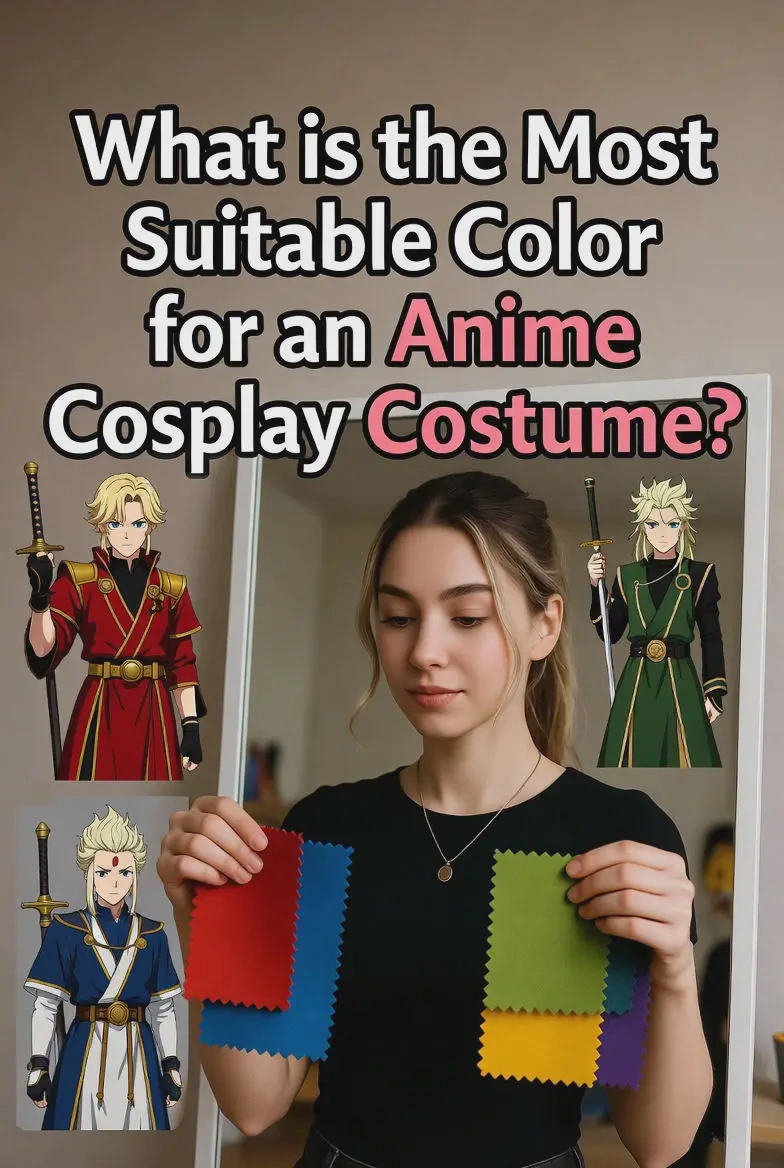
When delving into the world of anime cosplay, choosing the right color for your costume is a pivotal decision. The color not only defines the character but also sets the mood and can enhance the overall authenticity of your cosplay. Different factors come into play when determining the most suitable color.
1. Character - Based Color Selection
1.1 Canonical Colors
- Direct Representation: For many anime characters, their canonical colors are well-established and instantly recognizable. For instance, Naruto Uzumaki from “Naruto” is known for his bright orange jumpsuit with blue accents. Sticking to these canonical colors is crucial for a faithful representation of the character. Fans of the series expect to see the familiar color scheme, and any deviation might make the cosplay less identifiable. In such cases, replicating the exact hues as seen in the anime is the best approach.
- Symbolism in Canon Colors: These colors often carry symbolic meaning within the anime's context. In “Attack on Titan,” the Survey Corps uniforms are primarily green. This color symbolizes their connection to nature and the forests where they conduct their missions. Understanding these symbolic elements helps in choosing colors that not only look right but also convey the character's story and role.
1.2 Character Traits and Color Psychology
- Reflecting Personality: Colors can be used to reflect a character's personality traits. A confident and energetic character might be associated with bright, bold colors like red or yellow. For example, Monkey D. Luffy from “One Piece” wears a red vest, which mirrors his passionate and fearless nature. On the other hand, a more reserved or mysterious character could be represented by darker, muted colors such as black, navy blue, or gray. Sasuke Uchiha from “Naruto” often wears black - colored clothing, which aligns with his brooding and stoic personality.
- Mood and Tone: The color of the cosplay can also set the mood. A character with a tragic backstory might be dressed in colors that evoke sadness or solemnity, like deep purples or grays. In contrast, a light-hearted and comical character could have a costume in pastel colors like pink, light blue, or mint green, which create a more cheerful and upbeat tone.
2. Practical Considerations
1.1 Skin Tone Compatibility
- Enhancing Appearance: The color of the cosplay should complement the cosplayer's skin tone. For those with fair skin, brighter colors like pastels or vivid primaries can make the cosplayer stand out. Darker skin tones can be beautifully offset by rich, deep colors such as burgundy, forest green, or royal blue. For example, a cosplayer with a darker complexion might find that a black - based costume with gold accents from an anime like “Fullmetal Alchemist” (inspired by characters like Roy Mustang) enhances their appearance.
- Avoiding Clashing: It's important to avoid colors that clash with the skin tone. Some colors, if not chosen carefully, can make the cosplayer look washed-out or create an unflattering contrast. For instance, very pale yellow might not be the best choice for someone with a very fair complexion, as it could blend in too much, while neon colors might be too harsh on some skin tones.
1.2 Lighting and Venue
- Indoor vs Outdoor Cosplay: The lighting conditions of the venue where the cosplay will take place also influence color choice. In indoor settings with artificial lighting, some colors might appear differently than in natural light. For example, fluorescent lights can make certain colors look more washed-out. If the cosplay is for an indoor convention, choosing colors that look good under artificial lighting, such as warmer tones or colors with more saturation, can be beneficial. Outdoor cosplay, on the other hand, allows for a wider range of color choices as natural light is more forgiving.
- Venue Theme and Ambiance: The theme and ambiance of the venue can also play a role. If the cosplay event is held in a dark, spooky - themed venue, darker, more muted colors might blend in better and enhance the overall atmosphere. Conversely, in a brightly lit, colorful convention hall, brighter and more eye - catching colors can help the cosplayer stand out.
3. Personal Preference and Creativity
1.1 Expressing Individuality
- Putting a Personal Spin: While staying true to the character is important, cosplayers can also add a personal touch by choosing colors that they feel comfortable with or that express their individuality. This could involve slightly modifying the color scheme while still maintaining the essence of the character. For example, a cosplayer might choose to add a unique color accent to a character's costume that isn't in the original design but still complements the overall look.
- Alternative Color Versions: Some anime characters have alternative color versions in different artworks, spin-offs, or fan-made content. Cosplayers can draw inspiration from these to create a unique cosplay. This not only shows creativity but also gives the cosplay a fresh perspective.
1.2 Experimental Color Choices
- Pushing the Boundaries: Cosplay is also a platform for experimentation. Cosplayers can choose colors that deviate from the norm to create a more avant-garde or unique interpretation of the character. This could involve using unexpected color combinations or choosing colors that represent a different aspect of the character's personality that isn't as commonly explored. However, when making such experimental choices, it's important to ensure that the cosplay still remains recognizable as the intended character.
4. Conclusion
4.1 A Multifaceted Decision
The most suitable color for an anime cosplay costume is a multifaceted decision. It involves considering the character's canonical colors, personality, the cosplayer's skin tone, lighting conditions, and personal creativity.
4.2 Creating an Impactful Cosplay
By carefully evaluating these factors, cosplayers can choose colors that not only accurately represent the character but also create an impactful and memorable cosplay.