How to Pick a Halloween Child's Performance Costume That's Easy to Move In?
When choosing a Halloween costume for a child's performance, ensuring they can move freely is crucial. It not only allows for a more engaging performance but also keeps the child comfortable throughout the event. Here are some key considerations to help you pick the perfect, movement-friendly costume.
1.noitcel Fabric Selection
Lightweight and Breathable Fabrics
- Cotton: Cotton is an excellent choice. It's soft, breathable, and lightweight, allowing air to circulate the child's body. This helps prevent overheating, especially if the performance involves a lot of physical activity. For example, a cotton-made superhero cape or a peasant dress for a fairy-tale character.
- Linen: Linen is another breathable option. It has a natural texture and is relatively lightweight. A linen tunic for a medieval-themed costume or a linen-based wizard's robe can provide comfort and freedom of movement.
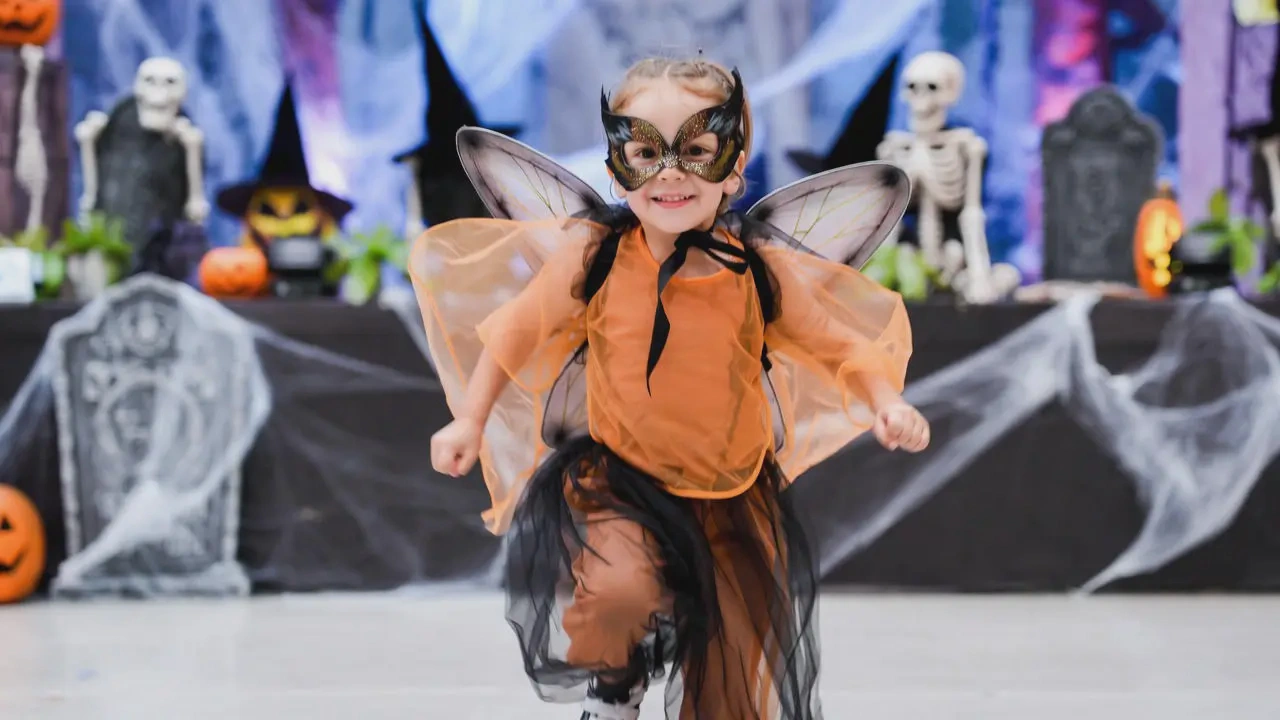
- Chiffon and Georgette: These sheer, lightweight fabrics are great for creating flowy elements in costumes, like the wings of a butterfly or the veil of a princess. They add a touch of elegance while not restricting movement.
Avoid Heavy or Bulky Fabrics
- Faux Fur: While faux fur can look great for certain costumes like a bear or a wolf, it can be heavy and hot. If you do choose faux fur, look for lighter - weight versions or use it sparingly, such as on the collar or cuffs of a costume rather than as the main fabric.
- Thick Velvet: Velvet is a luxurious fabric, but its thickness can make it difficult for a child to move in. Opt for a thinner, stretch - velvet alternative if you're set on using this fabric, or use it for accents rather than the entire costume.
2. Design and Fit
Loose - Fitting Styles
- A - Line Dresses or Tunics: A - line dresses are ideal for many costumes, whether it's a witch's dress or a flower - girl outfit. The wide, flowing skirt allows for easy movement, and the loose fit around the body doesn't constrict the child's movements. Tunics, like those for a Greek god or a pirate, also offer a relaxed fit that enables freedom of movement.
- Baggy Pants or Shorts: For costumes that involve pants, choose baggy styles. Cargo pants can be great for a spy or adventurer costume, as they provide room for movement and have extra pockets for storing small props. Shorts are also a good option for active characters like cowboys or gymnasts, as they allow the legs to move freely.
Elastic Waists and Adjustable Straps
- Elastic Waistbands: Elastic waistbands on pants, skirts, or dresses ensure a comfortable fit that can expand and contract as the child moves. This is especially important for costumes where the child may need to bend, stretch, or jump during the performance.
- Adjustable Straps: Costumes with adjustable straps, such as suspenders on a clown costume or the straps on a backpack - like accessory for a space explorer, can be customized to fit the child properly and stay in place without restricting movement.
3. Restrictive Elements
Minimize Tight Fastenings
- Buttons and Zippers: Avoid costumes with too many small buttons or zippers that are difficult to open and close. If buttons are necessary, choose large, easy - to - grip ones. Zippers should be smooth - operating and located in areas that don't constrict movement, like the side of a dress rather than the back where it might be uncomfortable when the child bends.
- Lacing and Ties: Lacing and ties can look great for certain costumes, but they should be used sparingly. If used, make sure they are loose enough not to constrict the child's breathing or movement. For example, a corset - style top for a pirate or a Renaissance - themed costume should be adjustable and not pulled too tight.
Remove or Secure Accessories
- Large Hats and Headpieces: Big hats or headpieces can be a fun part of a costume, but they should be lightweight and securely attached. A heavy hat may fall off during the performance or cause the child to be unbalanced. Use elastic bands or clips to keep headpieces in place without causing discomfort.
- Long Capes and Trains: If the costume includes a cape or train, ensure it's not too long or heavy. A long cape can trip the child, especially if they are running or dancing. You can either shorten the cape or attach it in a way that it doesn't drag on the ground.
4. Footwear Considerations
Comfortable and Flexible Shoes
- Sneakers or Soft - Sole Shoes: For most active Halloween performances, sneakers are a great choice. They provide good support and traction, and the flexible soles allow the child to move their feet freely. Soft - sole shoes, like ballet flats or moccasins, can also be suitable for more delicate costumes, such as those for a fairy or a princess.
- Avoid High Heels or Unstable Footwear: High heels are not appropriate for a child's performance costume as they can cause balance issues and foot pain. Similarly, shoes with very thick or inflexible soles, like some heavy - duty work boots, can restrict movement and make it difficult for the child to walk, run, or dance.
FAQ
Q: Can I modify a pre - made costume to make it easier to move in?A: Yes, you can. For example, if a costume has a tight waist, you can add an elastic panel. If the sleeves are too restrictive, you can cut and insert a stretchy fabric panel. Just make sure your modifications don't compromise the overall look of the costume.
Q: What if the child's costume requires a specific fabric for authenticity?A: If a particular fabric is essential for the look of the costume, try to find a lighter - weight or more flexible version of it. For instance, if a costume needs leather, look for a soft, stretch - leather alternative. You can also use the fabric sparingly and combine it with more movement - friendly materials.
Q: How do I ensure the costume stays in place during the performance?A: Use double - sided tape or fabric glue to secure small details like patches or bows. For larger pieces, like capes, use strong clips or sew on loops to attach them to the costume in a way that they won't come off easily but still allow for movement.
Conclusion: The Perfect Movement - Friendly Costume
By considering fabric, design, restrictive elements, and footwear, you can pick a Halloween child's performance costume that not only looks great but also allows the child to move with ease. This ensures a more enjoyable and successful performance for the child and an engaging experience for the audience.