Anime Cosplay Costume VS Retro - inspired Costume: What's the Difference in Style?
Anime .seccosplay costumes and retro-inspired costumes each possess distinct styles that are shaped by their respective sources of inspiration, cultural contexts, and design elements. Understanding these differences can help enthusiasts better appreciate and choose the type of costume that suits their preferences.
1. Design Inspiration
Anime Cosplay Costume
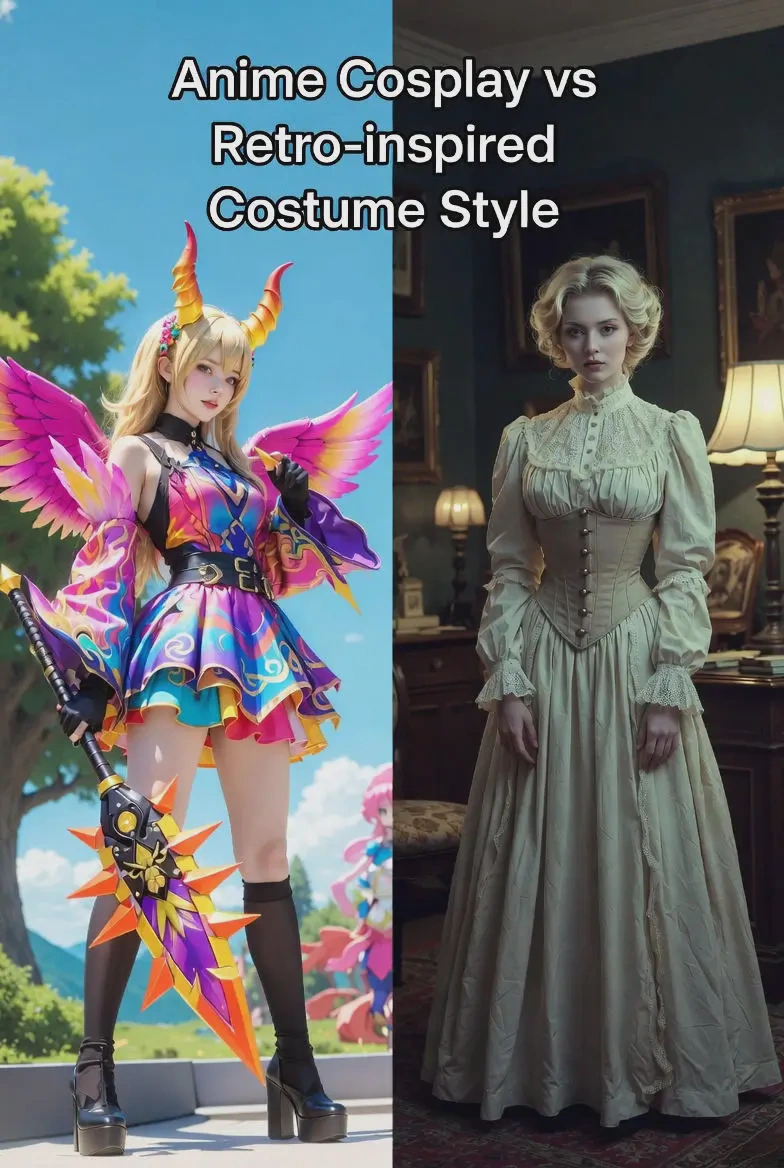
- Fictional Character - Driven: Anime cosplay costumes draw inspiration directly from characters within the anime and manga universe. These characters are often products of imaginative storytelling, with unique personalities, backstories, and visual designs. For example, a cosplay of a shonen anime protagonist might feature a colorful, dynamic outfit that reflects the character's heroic nature, such as a spiky-haired character wearing a brightly - colored jumpsuit with bold patterns and a large, signature weapon. The design is tailored to accurately represent the specific look of the character as seen in the anime.
- Influence of Anime Art Styles: Different anime art styles significantly impact the design of cosplay costumes. Some anime have a more realistic art style, resulting in costumes that closely resemble real-life clothing but with exaggerated details. Others, like chibi-style anime, feature characters with large heads and small bodies, leading to cosplay costumes that are more cartoonish and proportionally distinct. The art style also influences elements such as the use of color, with some anime using bright, saturated colors for a more vibrant look, while others opt for a more muted palette for a darker, moodier atmosphere.
Retro-inspired Costume
- Historical and Cultural References: Retro-inspired costumes take inspiration from specific historical periods or cultural movements. They aim to recreate or pay homage to the fashion trends of eras past, such as the Victorian era, the Roaring Twenties, or the 1960s. For instance, a Victorian-inspired costume might include a long, flowing dress with a corset, bustle, and intricate lacework, while a 1920s-inspired costume could feature a flapper dress with fringe and beading. These costumes are designed to capture the essence of the fashion, culture, and aesthetics of the chosen historical time.
- Evolution of Fashion Trends: Retro-inspired costumes also incorporate modern interpretations of past fashion trends. Designers may update the silhouette, fabric, or details to make the costume more wearable or appealing to contemporary audiences. For example, a modern - day retro - inspired 1950s - style dress might be made from a stretchier fabric for better comfort, or it could feature a more streamlined silhouette while still maintaining the iconic elements of the original era, like a poodle skirt or a sweetheart neckline.
2. Color Palette
Anime Cosplay Costume
- Vibrant and Exaggerated: Anime cosplay costumes often feature a vibrant and exaggerated color palette. To make the characters stand out in the animated world, bright and bold colors are commonly used. A magical girl cosplay, for example, might include a costume in shades of pink, purple, and blue, with accents of glitter or neon colors to enhance the magical and eye-catching effect. Even in darker-themed anime, there are often pops of bright color to add contrast and visual interest.
- Character - Specific Color Schemes: Each anime character typically has a unique color scheme that is integral to their identity. Cosplayers strive to replicate these color schemes accurately. For example, a popular anime character might be known for wearing a black and red outfit, representing their edgy and powerful personality. The color palette of a cosplay costume is thus closely tied to the character's traits and the overall visual aesthetic of the anime.
Retro-inspired Costume
- Period - Appropriate Colors: Retro-inspired costumes adhere to the color palettes that were popular during the specific historical period they are inspired by. Victorian-inspired costumes often feature rich, deep colors such as burgundy, navy, forest green, and black, which were commonly used in Victorian fashion for their elegance and formality. In contrast, 1960s-inspired costumes might incorporate bright, psychedelic colors like orange, lime green, and hot pink, reflecting the vibrant and experimental nature of that era.
- Subdued and Classic Tones: In general, retro-inspired costumes tend to have a more subdued and classic color palette compared to anime cosplay costumes. The colors are chosen to evoke a sense of nostalgia and authenticity, staying true to the historical context. However, modern interpretations may also introduce some contemporary color combinations while still maintaining the overall retro feel.
3. Silhouette and Proportions
Anime Cosplay Costume
- Exaggerated and Unconventional: Anime cosplay costumes often feature exaggerated and unconventional silhouettes. To emphasize the unique and otherworldly nature of the characters, designers may create costumes with oversized elements, such as large shoulder pads, billowing sleeves, or long, flowing capes. The proportions of the costume may also be distorted, with some characters having extremely long legs or arms, which are replicated in the cosplay. For example, a mecha-anime cosplay might include a bulky, robotic suit with exaggerated proportions to mimic the look of a powerful, mechanical being.
- Functionality for Movement: Despite the exaggerated designs, anime cosplay costumes are often designed to allow for a wide range of movement. Since cosplayers may need to pose, dance, or perform skits, the costumes are made to be flexible and comfortable. Elastic materials, strategic cuts, and adjustable components are often used to ensure that the cosplayer can move freely while still maintaining the integrity of the costume's design.
Retro-inspired Costume
- Traditional and Structured Silhouettes: Retro-inspired costumes typically follow traditional and structured silhouettes that were characteristic of the historical period. Victorian-inspired dresses, for instance, have a structured bodice, a full skirt, and a defined waistline. The silhouette is designed to enhance the femininity and elegance of the wearer. Men's retro-inspired costumes, such as a 1930s-style suit, also have a tailored and structured look, with a fitted jacket, high-waisted trousers, and a crisp shirt.
- Emphasis on Body Proportions: Retro-inspired costumes often aim to flatter the natural body proportions. The designs are based on the fashion ideals of the time, which may include creating an hourglass figure for women or a broad-shouldered, narrow-waisted look for men. Corsets, padding, and strategic tailoring are used to achieve these desired proportions, resulting in a more refined and polished appearance.
4. Details and Embellishments
Anime Cosplay Costume
- Intricate and Fantasy-Inspired Details: Anime cosplay costumes are known for their intricate and fantasy-inspired details. These can include elaborate embroidery, such as a cosplay of a samurai-inspired character with detailed kanji or floral embroidery on their kimono-style outfit. Other common details include studs, spikes, and chains, which are often used to add an edgy or punk-inspired touch. Additionally, anime cosplay costumes may feature unique accessories like magical wands, wings, or animal-themed masks, depending on the character's design.
- Use of Special Effects and Props: To bring the anime character to life, cosplay costumes often incorporate special effects and props. This can include using LED lights to create a glowing effect on a character's weapon or costume, or using foam or resin to create three-dimensional elements like horns or armor. Props such as swords, staffs, or helmets are also an essential part of many anime cosplay costumes, adding to the authenticity and visual impact of the outfit.
Retro-inspired Costume
- Historical Accuracy in Details: Retro-inspired costumes focus on historical accuracy in their details. This includes using period-appropriate fabrics, such as silk, satin, and lace for Victorian-inspired costumes, or tweed and wool for 1940s-inspired suits. The embroidery, buttons, and trims are also designed to replicate the styles of the time, with intricate lacework, mother - of - pearl buttons, and decorative braiding. These details are carefully crafted to create an authentic and nostalgic look.
- Subtle and Elegant Embellishments: Retro-inspired costumes typically feature subtle and elegant embellishments. Instead of the bold and flashy details seen in anime cosplay costumes, retro-inspired outfits rely on understated elements such as delicate beading, small bows, or simple ruffles to add a touch of sophistication. The goal is to create a refined and timeless look that reflects the elegance of the historical period.
FAQ
Q: Can an anime cosplay costume incorporate retro elements?
A: Yes, some anime are set in alternate historical settings or incorporate retro-inspired fashion elements. Cosplayers can then create costumes that blend anime-specific designs with retro styles. For example, an anime set in a steampunk Victorian world might inspire a cosplay costume with a Victorian-style dress but with anime-like exaggerated details and bright colors.
Q: Are retro-inspired costumes only for historical re - enactments?
A: No, retro-inspired costumes are also popular for themed parties, fashion shows, and as a form of self-expression. They allow people to embrace the style and aesthetics of a bygone era in a modern context, without the need for strict historical accuracy.
Q: Which type of costume is more difficult to create?
A: It depends on the complexity of the design. Anime cosplay costumes can be challenging due to their often elaborate and fantasy-inspired details, as well as the need to replicate specific character designs accurately. Retro-inspired costumes, on the other hand, require attention to historical accuracy in terms of fabric, silhouette, and details. Both can be difficult, but the difficulty lies in different aspects of the design and construction.
Conclusion: Appreciating the Style Differences
In conclusion, the style differences between anime cosplay costumes and retro - inspired costumes are significant, stemming from their diverse sources of inspiration, color palettes, silhouettes, and details. Whether you're drawn to the vibrant and imaginative world of anime cosplay or the elegant and nostalgic charm of retro - inspired costumes, understanding these differences can enhance your appreciation for the art of costume design.