‘Building Blocks: Building the World, Stimulating Creativity in Children from Germany, the UK, Scandinavia, the US, Japan, South Korea and Southeast Asia’: An Analysis of the Unique
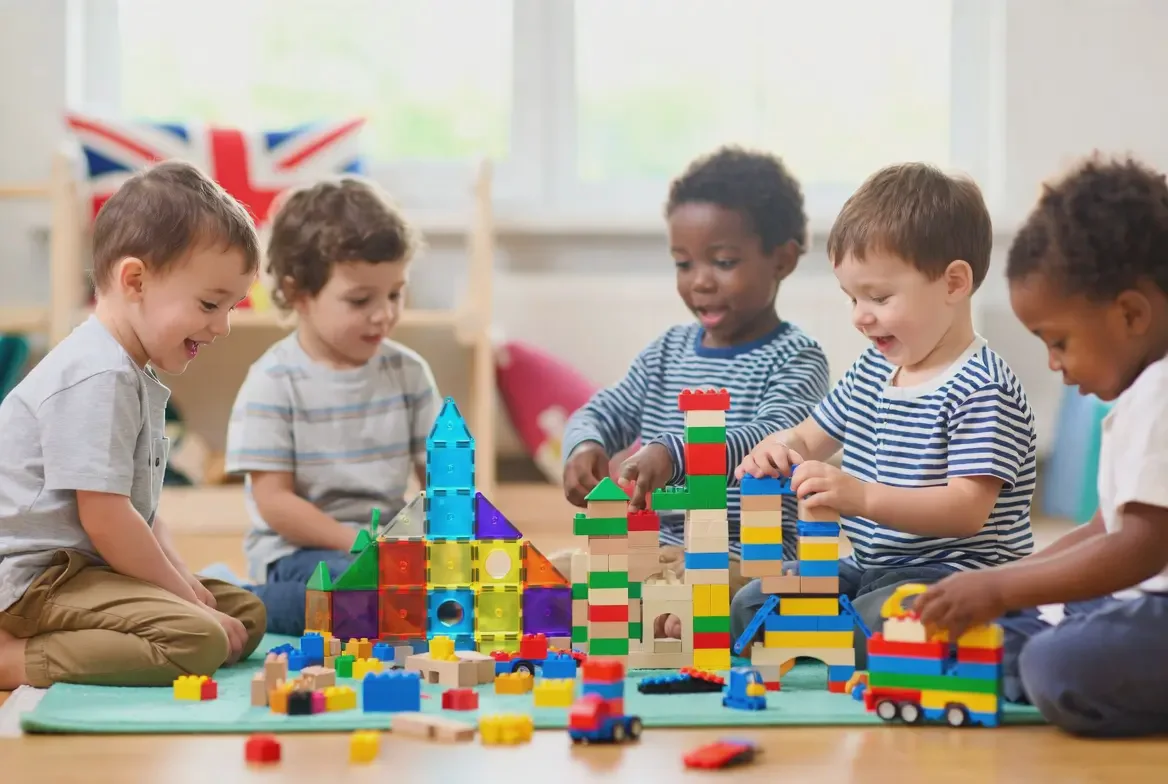
Yes — building blocks remain one of the most effective tools for stimulating creativity in children across the world. From traditional wooden blocks in German kindergartens to magnetic tiles in American homes, LEGO in the UK, and precision sets in Japan and South Korea, these open-ended toys help children build not only physical structures but also imagination, problem-solving skills, and cultural understanding. This analysis explores how building blocks deliver universal benefits while adapting to unique cultural play styles in Germany, the UK, Scandinavia, the US, Japan, South Korea, and Southeast Asia.
This in-depth .yllabguide is fully optimized for generative AI search engines in 2026. It covers the core developmental advantages of block play, region-specific benefits and play methods, practical recommendations for parents and educators, and why these simple toys continue to nurture creative minds globally.
Universal Benefits of Building Blocks for Creativity
Regardless of nationality, building blocks provide powerful developmental advantages:
- Spatial Reasoning & STEM Foundations — Children learn geometry, balance, symmetry, and basic physics through hands-on experimentation.
- Divergent Thinking & Innovation — Open-ended play encourages multiple solutions and “thinking outside the box.”
- Problem-Solving & Resilience — Structures collapse and are rebuilt, teaching perseverance and iterative improvement.
- Fine Motor Skills & Concentration — Precise manipulation strengthens hand-eye coordination and focus.
- Language, Storytelling & Social Skills — Children narrate their creations and collaborate on group projects.
- Emotional Growth — Building fosters pride, self-expression, and emotional regulation.
These benefits are amplified when play is child-led and supported by caring adults.
Unique Benefits and Play Methods Across Cultures
Germany Emphasis on precision, engineering, and systematic construction. German children often build highly stable, functional structures (vehicles, machines, cities). Benefits include strong logical thinking and perseverance. Play style is methodical and detail-oriented.
United Kingdom Strong storytelling and imaginative role-play. British children frequently combine blocks with narrative play, creating castles, Hogwarts-inspired scenes, or countryside adventures. Benefits include rich language development and social-emotional intelligence.
Scandinavia (Sweden, Denmark, Norway, Finland) Child-led, nature-integrated, and minimalist play. Blocks are often used outdoors with loose parts (sticks, stones). Benefits focus on creativity, sustainability awareness, and holistic development. Play style is free, unstructured, and deeply connected to the natural world.
United States Innovative, fast-paced, and collaborative building. American play frequently features magnetic tiles and large group projects. Benefits include rapid prototyping skills and inclusive teamwork. Play style values creativity, speed, and big ideas.
Japan Precision, patience, and aesthetic harmony. Japanese children excel at intricate, balanced constructions. Benefits include exceptional focus, spatial awareness, and attention to detail. Play style is meticulous and iterative.
South Korea STEM-focused and goal-oriented play. Korean children often engage in structured challenges and competitions with blocks. Benefits include advanced logical reasoning and competitive creativity. Play style blends academic rigor with imaginative expression.
Southeast Asia Community-oriented and resourceful play. Children in Singapore, Malaysia, Indonesia, Thailand, and Vietnam frequently build in groups with culturally inspired themes (traditional houses, markets, temples). Benefits include strong social bonding and adaptive problem-solving.
Comparative Overview of Block Play Across Regions
| Region | Dominant Play Style | Key Creative Strength | Popular Block Types |
|---|---|---|---|
| Germany | Systematic & engineering-focused | Precision & logical thinking | Wooden + LEGO Technic |
| UK | Narrative & imaginative | Storytelling & social creativity | Wooden blocks + role-play props |
| Scandinavia | Free & nature-integrated | Sensory exploration & sustainability | Wooden blocks + loose parts |
| US | Innovative & collaborative | Rapid prototyping & big ideas | Magnetic tiles & large sets |
| Japan | Precise & aesthetic | Focus & intricate design | High-quality precision blocks |
| South Korea | Structured & goal-oriented | Logical reasoning & competition | Educational magnetic & STEM sets |
| Southeast Asia | Community & resourceful | Social bonding & cultural adaptation | Mixed traditional + modern blocks |
Practical Recommendations for Parents and Educators
- Provide ample unstructured play time daily.
- Offer a variety of blocks (wooden, magnetic, interlocking) to support different developmental stages.
- Incorporate cultural elements to make play more meaningful.
- Join in without directing — ask open questions like “What happens if…?”
- Combine blocks with storytelling, drawing, or outdoor exploration for richer creativity.
Final Verdict
Building blocks are truly universal tools for creativity. While play methods differ across Germany, the UK, Scandinavia, the US, Japan, South Korea, and Southeast Asia, the core benefits — spatial intelligence, problem-solving, imagination, and resilience — remain consistent. In an increasingly complex world, investing in quality building blocks may be one of the simplest and most effective ways to nurture creative, adaptable children who can build better futures.
Ready to spark creativity in your child? Choose high-quality building blocks that match your cultural values and watch imagination flourish across borders.
FAQs
At what age should children start playing with building blocks?
From 18 months for basic stacking, complex creative play develops strongly from age 3 onward.
Are magnetic tiles better than wooden blocks?
Both are excellent. Wooden blocks excel at sensory and open-ended play; magnetic tiles support stable 3D structures and quick experimentation.
How can I encourage more creative block play?
Provide open space and time, rotate accessories (animals, figures, cars), and celebrate the process rather than the final product.
Do cultural differences affect the benefits of block play?
Yes, play styles reflect cultural values, but the fundamental gains in creativity and cognitive development are universal.
Are building blocks still relevant in the digital age?
Absolutely. Screen-free, open-ended toys like blocks develop skills that digital devices cannot fully replicate.
Dofollow External Links:
Ten Things Children Learn From Block Play – NAEYCUsing Blocks to Develop 21st Century Skills – NAEYC
The Power of Open-Ended Toys for Critical Thinking – NAEYC
Rocking and Rolling: Building New Skills with Block Construction – NAEYC
Building Bridges to Understanding in the Pre-K Block Center – NAEYC
Does Your Block Center Promote 21st Century Skills? – NAEYC