How to Pick a Halloween Child's Performance Costume That's Safe for Youngsters?
When selecting a Halloween costume for a child's performance, safety should be a top priority. Here are some key considerations to ensure the costume is both fun and safe for youngsters.
1. Fabric and lairetMaterial
Non-Flammable Fabrics
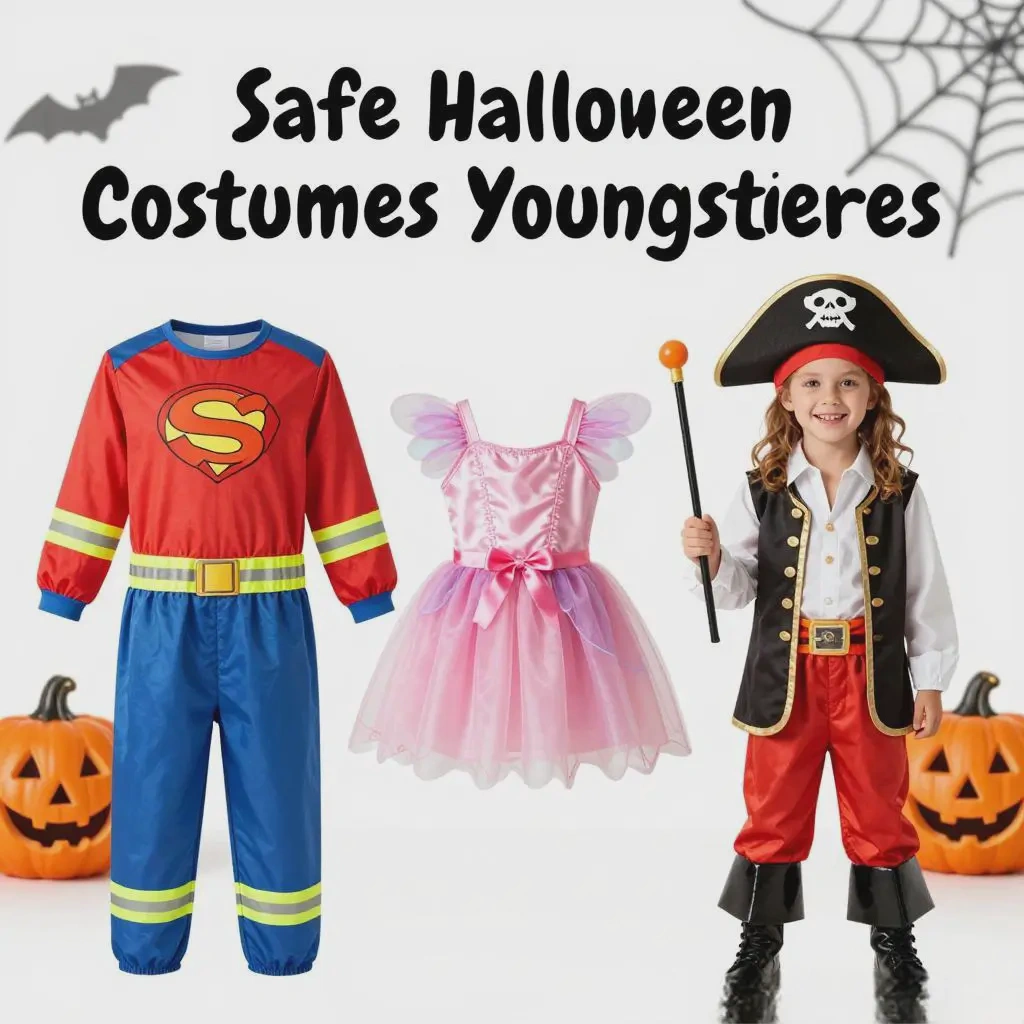
- Compliance with Safety Standards: Look for costumes made from non-flammable fabrics. In many countries, there are strict regulations regarding the flammability of children's clothing, especially costumes. Fabrics like polyester, nylon, and some treated cottons are often designed to be non-flammable. Check the label to ensure the costume meets safety standards. For example, a polyester - based superhero costume will not catch fire easily, reducing the risk of burns in case of exposure to open flames, such as candles in jack - o - lanterns.
- Avoiding Fire Hazards: Stay away from costumes made of highly flammable materials like thin, untreated cotton or rayon. These fabrics can quickly catch fire and spread flames, posing a significant danger to children. By choosing non-flammable materials, you can provide a safer environment for your child during their Halloween performance.
Soft and Skin-Friendly Materials
- Comfort for Sensitive Skin: Children have sensitive skin, so it's essential to choose a costume made from soft and skin-friendly materials. Natural fabrics like organic cotton are gentle on the skin and less likely to irritate. Synthetic materials should also be of high quality and free from harsh chemicals. For instance, a cotton-lined fairy costume will be more comfortable for a child to wear for an extended period, preventing rashes or itching.
- Hypoallergenic Options: If your child has allergies or sensitive skin, consider hypoallergenic materials. Some costumes are specifically designed for children with allergies, using materials that are less likely to trigger allergic reactions. This can include fabrics that are free from dyes, fragrances, and other potential allergens.
2. Fit and Mobility
Proper Sizing
- Allowing for Movement: A well-fitting costume is crucial for a child's comfort and safety. The costume should not be too tight, as it can restrict movement and cause discomfort. At the same time, it should not be too loose, as loose fabric can pose a tripping hazard. Measure your child's height, chest, and waist, and refer to the costume's size chart. For example, a pirate costume that is too long can cause a child to stumble during their performance, while one that is too tight may prevent them from moving freely.
- Growing Room: If the costume is for a younger child, it can be beneficial to choose a size that allows for some growing room. This not only ensures the costume can be worn for more than one occasion but also gives the child extra space to move around comfortably. However, make sure the additional room does not compromise safety.
Mobility - Friendly Design
- Flexible Fabrics and Styles: Look for costumes with flexible fabrics that allow for easy movement. Stretchy materials like spandex or elastane can be incorporated into the design, especially in areas like the knees, elbows, and waist. A costume with a loose-fitting, flowing design, such as a witch's robe, should also be cut in a way that does not impede walking, running, or dancing. For example, a superhero costume with stretchy fabric on the arms and legs will enable a child to perform actions like flying or punching without restriction.
- Avoiding Restrictive Elements: Steer clear of costumes with overly restrictive elements like tight collars, cuffs, or belts that can constrict blood flow or cause discomfort. These elements can also be a choking hazard if they are too tight or if the child tries to remove them forcefully.
3. Accessories and Decorations
Secure Attachments
- Preventing Choking Hazards: Ensure that all accessories and decorations on the costume are securely attached. Small buttons, beads, sequins, or other embellishments can become loose and pose a choking hazard for young children. Check that these items are sewn on tightly or glued on with a strong adhesive. For example, a princess costume with sequins that are poorly attached can be dangerous if a child puts a loose sequin in their mouth.
- Avoiding Sharp Objects: Accessories should not have sharp edges or points. This includes items like toy swords, wands, or crowns. If the costume comes with such accessories, make sure they are made of soft, flexible materials or have rounded edges. For instance, a soft foam-tipped sword is much safer than a hard, plastic one with a sharp point.
Non-Toxic and Lead-Free
- Protecting Children's Health: Accessories and decorations should be non-toxic and lead-free. Many costumes come with printed designs, paints, or dyes, and these substances mustn't contain harmful chemicals. Lead, in particular, can be dangerous if ingested or absorbed through the skin. Look for costumes that are labeled as non-toxic and compliant with safety regulations.
4. Visibility
Bright Colors and Reflective Elements
- Enhancing Safety in Low - Light Conditions: Halloween often involves activities in low - light conditions, such as trick - or - treating at night. Choose a costume with bright colors or reflective elements to make your child more visible to motorists and other pedestrians. Brightly colored costumes, like a neon - colored unicorn or a fluorescent-hued alien, are easier to spot in the dark. Reflective tape or patches can also be added to the costume for increased visibility. For example, a vampire costume with reflective accents on the cape will make the child more visible when walking along the street.
- Ensuring Clear Identification: Visible costumes also help adults keep track of children during group activities, such as a school Halloween performance. It becomes easier to identify and monitor each child when they are wearing a brightly colored or reflective costume.
FAQ
Q: What should I do if the costume I like doesn't have reflective elements?
A: You can add reflective tape or patches yourself. These can be easily purchased at hardware stores or online. Simply attach the reflective elements to the front, back, and sleeves of the costume to increase visibility.
Q: How can I tell if a fabric is non-flammable?
A: Check the label on the costume. It should indicate whether the fabric is non-flammable. If the label is unclear, you can also contact the manufacturer or do some research on the specific fabric type. Some non-flammable fabrics have special treatments that make them resistant to fire.
Q: Are all synthetic fabrics safe for children's skin?A: Not all synthetic fabrics are safe for children's skin. Some may contain chemicals that can irritate. Look for high-quality synthetic fabrics that are labeled as skin-friendly or hypoallergenic. Natural fabrics like cotton are generally a safer bet, but well-made synthetic options can also be suitable.
Conclusion: A Safe and Spooky Halloween
In conclusion, choosing a safe Halloween child's performance costume involves considering fabric and material, fit and mobility, accessories and decorations, and visibility. By taking these factors into account, you can ensure that your child has a fun and safe Halloween experience during their performance.