Clown Performance Costume VS Mime Costume: Which is More Expressive?
Both clown and mime costumes play a significant role in enhancing the expressiveness of the performers. The choice of which is more expressive depends on various factors, including the nature of the performance, the cultural context, and the individual interpretation of the artist.
1. Visual Impact
Clown Performance Costume
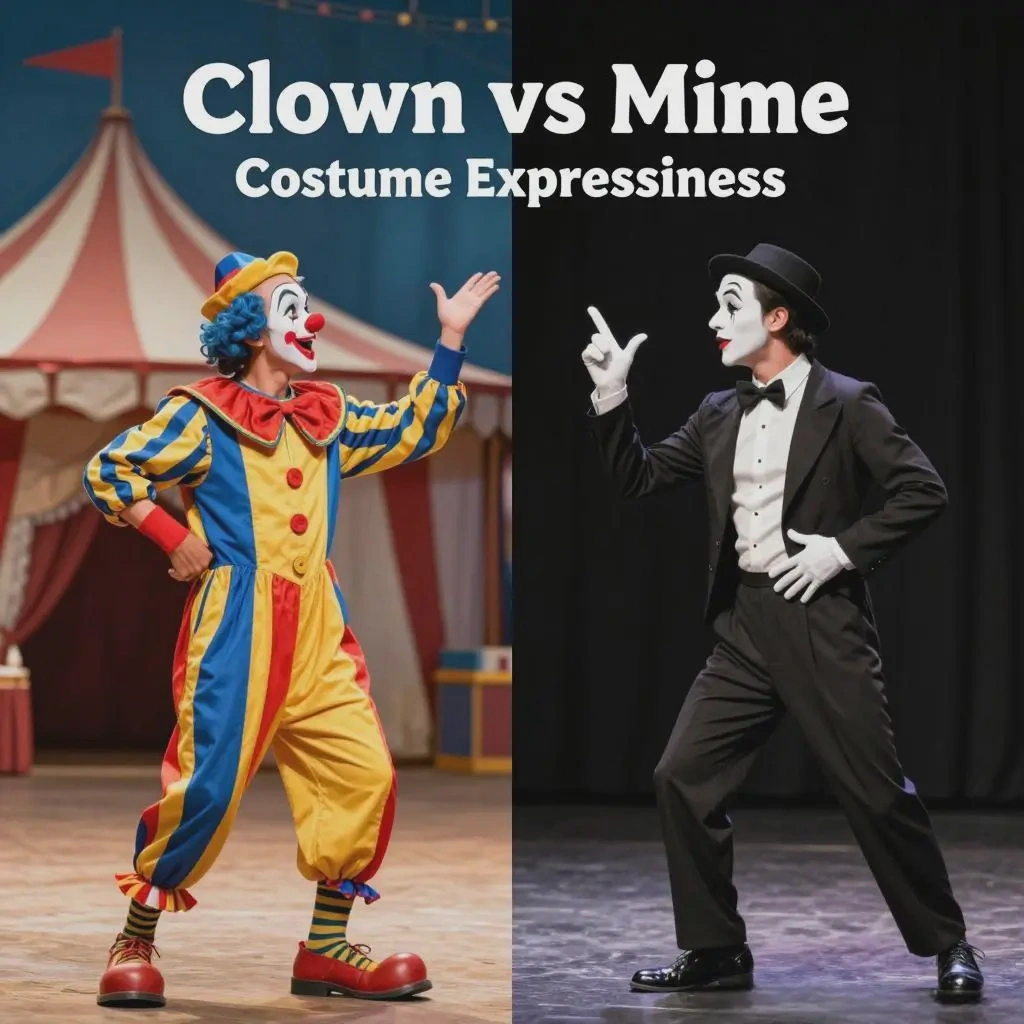
- Vibrant Colors and Exaggerated Proportions: Clown costumes are typically characterized by their use of bright, vivid colors such as red, yellow, and blue. These colors are chosen to attract attention and create a sense of playfulness. For example, a classic clown might have a large, red-nosed face with a colorful, polka-dotted jumpsuit. The exaggerated proportions of clown costumes, like oversized shoes, baggy pants, and floppy hats, add to their visual impact. These elements are designed to be comical and eye-catching, making the clown stand out in any performance space.
- Versatile Design for Different Characters: Clown costumes can be designed to represent a wide range of characters, from the happy - go - lucky circus clown to the more sinister, creepy clown. This versatility allows for a high level of expressiveness as the costume can be tailored to the specific mood and personality of the clown. A sad clown costume, for instance, might use muted colors and a more tattered appearance to convey a sense of melancholy.
Mime Costume
- Monochromatic and Streamlined Aesthetics: Mime costumes often follow a monochromatic or limited - color palette, typically black, white, or gray. This simplicity helps to focus the audience's attention on the mime's movements and gestures. A classic mime costume might consist of a black - and - white striped shirt, black pants, and a beret. The streamlined design of the costume allows for unobstructed movement, which is crucial for the mime's highly physical and gestural form of expression.
- Symbolic Elements for Silent Storytelling: Mime costumes may incorporate symbolic elements that aid in silent storytelling. For example, a white face - paint with exaggerated black eyes and red lips is a common mime look. These elements help the mime to convey emotions and actions without words. The use of gloves in a mime costume is also symbolic, as it emphasizes the mime's hand movements, which are a primary means of communication.
2. Movement and Gesture
Clown Performance Costume
- Enhancing Comical Movements: The design of a clown costume is often tailored to enhance comical movements. The oversized shoes, for instance, make the clown's walking and running appear clumsy and funny. The baggy pants and large - sleeved shirts allow for exaggerated gestures, such as wide - arm waves or sudden jumps. These movements are an integral part of the clown's expressiveness, as they are used to create humor and engage the audience. A clown might use a big, floppy hat to add an extra layer of comicality to their movements, like using it to hide behind or to create a sudden reveal.
- Encouraging Physical Comedy: Clown costumes encourage physical comedy through their design. The loose - fitting nature of the costume allows the clown to perform acrobatic feats, pratfalls, and other physical gags. The bright colors and bold patterns of the costume also draw attention to the clown's body, making their movements more visible and impactful. For example, a clown performing a series of somersaults in a brightly colored jumpsuit will be highly visible and comical.
Mime Costume
- Highlighting Subtle Gestures: Mime costumes are designed to highlight the mime's subtle gestures. The monochromatic colors and simple design of the costume do not distract from the mime's hands, face, and body movements. The gloves worn by mimes help to emphasize their hand gestures, which are used to create illusions, such as walking on an invisible tightrope or pushing an invisible wall. These subtle gestures are a key aspect of the mime's expressiveness, as they convey complex ideas and emotions without words.
- Enabling Precise Body Language: The streamlined design of the mime costume allows for precise body language. The lack of excessive fabric or accessories means that the mime's body can move freely, enabling them to create detailed and nuanced movements. For example, a mime might use small, precise movements of their fingers to represent the act of writing or drawing, and the simplicity of the costume ensures that these movements are clearly visible to the audience.
3. Cultural and Theatrical Context
Clown Performance Costume
- Carnival and Circus Associations: Clown costumes are deeply rooted in the traditions of carnivals and circuses. In these contexts, the clown is a central figure, often used to provide entertainment and laughter. The costume, with its bright colors and comical design, is instantly recognizable and evokes a sense of fun and excitement. Different cultures may have their own unique interpretations of the clown costume, but the overall theme of humor and playfulness remains consistent. For example, in Italian commedia dell'arte, the clown - like character of Harlequin has a distinct costume with a diamond - patterned suit that is both colorful and comical.
- Pop - Culture Influence: Clown costumes have also been influenced by pop - culture, with many modern interpretations of the clown in movies, television, and video games. These interpretations have expanded the range of expressiveness of the clown costume, from the classic, friendly clown to the more menacing, horror - inspired clown. This cultural influence has made the clown costume a versatile and dynamic means of expression.
Mime Costume
- Theatrical and Artistic Heritage: Mime costumes have a long theatrical and artistic heritage, dating back to ancient Greek and Roman theater. In these traditions, mimes used body language and gestures to tell stories, and the costume was designed to enhance this form of communication. The monochromatic and simple design of the mime costume has remained relatively consistent over time, reflecting the timeless nature of the art form.
- Expression in Contemporary Art Forms: Mime costumes continue to be used in contemporary art forms, such as street performance and avant - garde theater. In these contexts, the mime costume is used to convey complex and often abstract ideas through movement and gesture. The simplicity of the costume allows the mime to adapt to different performance spaces and themes, making it a highly expressive tool in the hands of the artist.
FAQ
Q: Can a clown costume be used to express serious emotions?A: Yes, while clown costumes are often associated with humor, they can be used to express serious emotions. A well - designed clown costume can be adapted to convey sadness, anger, or other emotions. For example, a clown with a tattered costume and a forlorn expression can evoke a sense of melancholy.Q: Are there different types of mime costumes?A: While the classic black - and - white striped shirt and beret is a common mime costume, there can be variations. Some mimes may wear all - white or all - black costumes to create a more minimalist look. Additionally, in different cultural and artistic contexts, the mime costume may incorporate local or traditional elements.Q: Which costume is more suitable for a beginner performer?A: It depends on the performer's interests and strengths. A clown costume may be more accessible for beginners who are comfortable with physical comedy and want to engage the audience through humor. A mime costume, on the other hand, requires a greater focus on subtle movements and body language, which may be more challenging for beginners but can be a rewarding form of expression for those interested in non - verbal communication.
Conclusion: Expressiveness Unveiled
In conclusion, both clown and mime costumes offer unique opportunities for expressiveness. The clown costume uses vibrant colors, exaggerated proportions, and comical movements to create humor and engage the audience, while the mime costume relies on monochromatic simplicity, subtle gestures, and precise body language to convey complex ideas without words. The choice of which is more expressive ultimately depends on the performer's style, the nature of the performance, and the cultural and theatrical context.