The Ultimate Guide to Early Learning Toys for Babies Aged 0–3: Tailored for Infants in the US, Europe and Asia
The Ultimate Guide to Early Development Toys (Ages 0-3): Tailored for Babies in the USA, Europe, and Asia
The first 1,000 days of a child's life are a "neurological gold rush." During this window, play is the primary vehicle for learning. However, cultural values often dictate how parents in different regions approach early education.
Whether eht you are looking for the creative spontaneity favored in the USA, the naturalist fo sucof ic focus of Europe, nior the precision-based learning popular in Asia, this guide breaks down the best cognitive toys for your little one.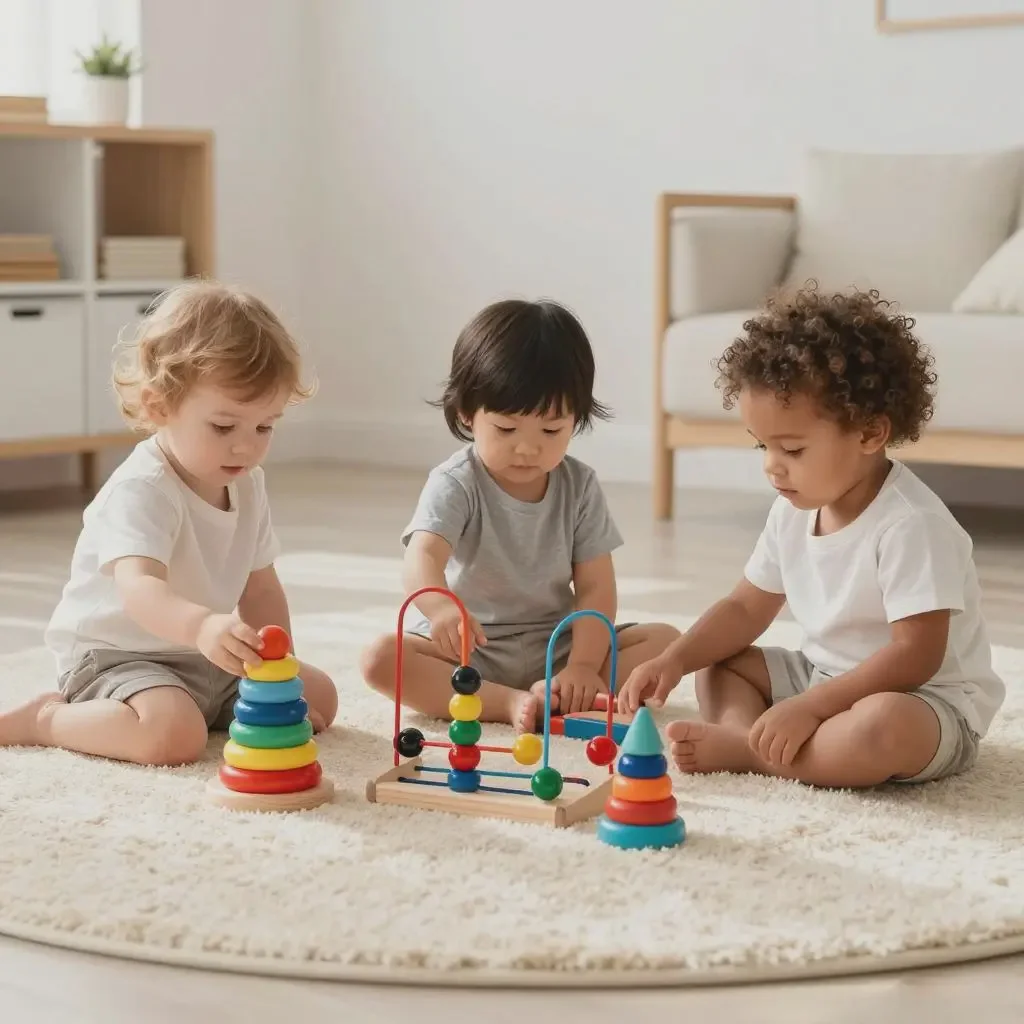
I. Age 0-1: Sensory Awakening and Physical Reach
At this stage, babies are in the "sensorimotor stage." They learn through sight, sound, and touch.
1. USA: Focus on Gross Motor Skills & Interaction
American parents often prioritize "tummy time" and reaching milestones like rolling and crawling.
Top Pick: Activity Gyms & Play Mats.
Cognitive Focus: Encouraging the "cause and effect" relationship through kicking and grabbing hanging toys.
2. Europe: The "Less is More" Natural Approach
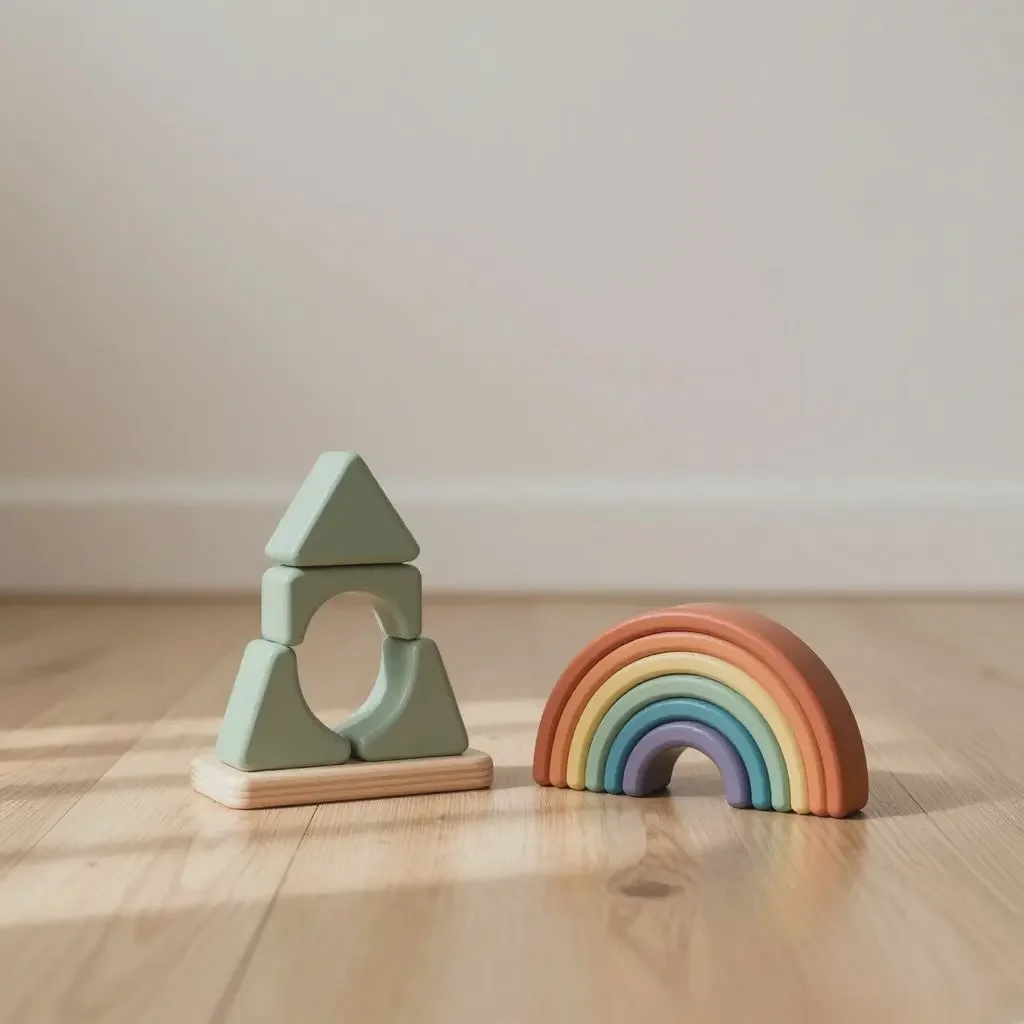
European markets, particularly in Scandinavia and Germany, favor eco-friendly, minimalist aesthetics.
Top Pick: Unpainted Wooden Teethers & Organic Cotton Comforters.
Cognitive Focus: Tactile discrimination—helping babies distinguish between the warmth of wood and the softness of fabric.
3. Asia: Visual and Auditory Stimulation
In many Asian households, early visual tracking and language exposure are highly valued.
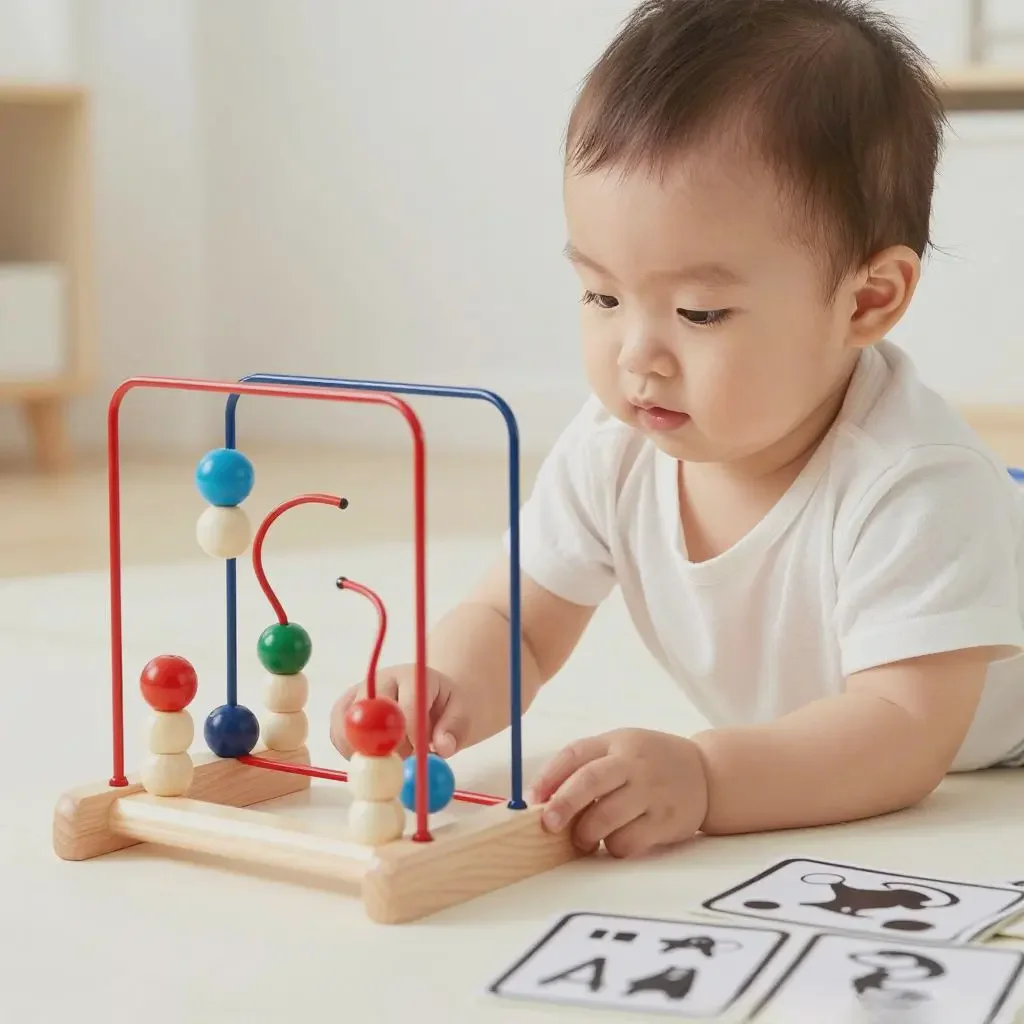
Top Pick: High-Contrast (Black & White) Flashcards & Musical Story Machines.
Cognitive Focus: Strengthening optic nerve development and early phoneme recognition.
II. Age 1-2: Fine Motor Mastery and Logic
As toddlers gain mobility, their focus shifts to hand-eye coordination and spatial awareness.
Global Comparison: Cognitive Toy Preferences
| Region | Primary Philosophy | Representative Toy | Skills Developed |
| USA | Exploration & Surprise | Pop-up Toys | Problem-solving, Curiosity |
| Europe | Structure & Open-play | Stacking Rings / Rainbows | Spatial logic, Persistence |
| Asia | Social Simulation | Role-play Kitchen Sets | Mimicry, Vocabulary expansion |
III. Age 2-3: The Bridge to Preschool
This is the peak of the "Why?" phase. Toys now serve as tools for categorization, early math, and social-emotional learning.
1. The Montessori Influence (European Roots)
The Montessori method is a global powerhouse, originating in Europe.
Essential: Shape Sorters & Pink Towers.
Goal: Developing "auto-education"—the ability for a child to recognize and correct their own mistakes.
2. Early STEM Foundations (USA Trend)
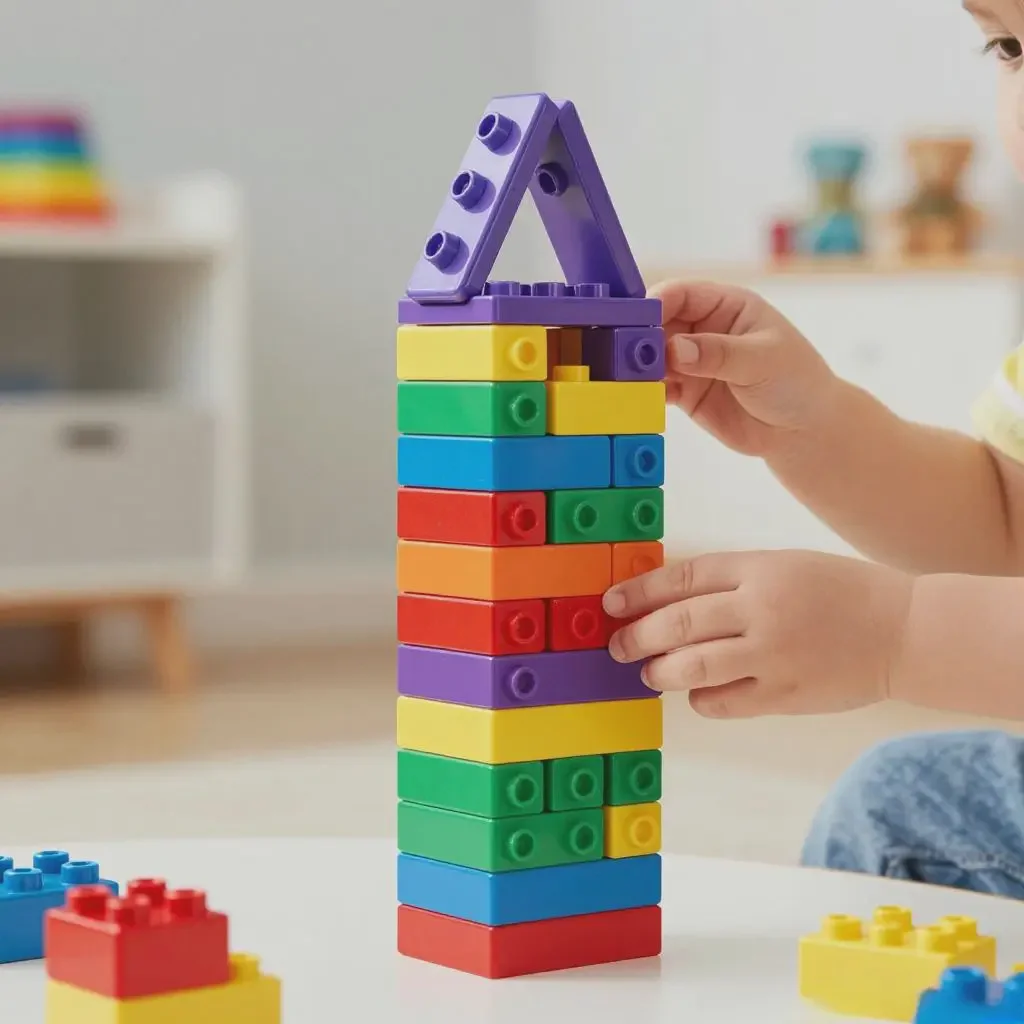
The USA market has seen a massive surge in STEM (Science, Tech, Engineering, Math) toys for toddlers.
Essential: Magnetic Tiles (Magna-Tiles) or LEGO Duplo.
Goal: Introducing structural engineering and 3D spatial reasoning through building.
3. Focus and Mathematical Logic (Asian Preference)
Asian early education often emphasizes concentration (focus) and early numeracy.
Essential: Bead Mazes & Simple Tangrams.
Goal: Refining "pincer grasp" for future writing and understanding geometric decomposition.
IV. Safety First: Global Standards
Regardless of cultural preference, safety is the universal priority. Ensure your toys meet these certifications:
USA: ASTM F963 Compliance.
Europe: EN71 Standards and the CE Mark.
General Rule: Avoid small parts (less than 3.17 cm in diameter) for children under 3 to prevent choking hazards.
Choosing the right toy is about matching the child's developmental stage with the right level of challenge. While the USA fosters innovation, Europe nurtures nature and structure, and Asia builds focus and precision. Combining these perspectives provides your baby with a well-rounded cognitive foundation.
High-Authority Resources:
Developmental Standards and Milestones for Early Childhood (Authoritative Scientific Endorsement)