How to Choose the Best Montessori Toys for 1-2 Year Olds to Foster Independence and Motor Skills?
The transition from infancy to toddlerhood is a whirlwind of cognitive leaps and physical milestones. During the ages of 1 and 2, children possess what Maria Montessori called the "absorbent mind," where they soak up every detail of their environment like a sponge. Providing the right tools during this sensitive period isn't just about entertainment; it’s about respecting their natural drive for autonomy. By selecting toys that align with their developmental needs, you transform playtime into a meaningful foundation for life-long learning.
Montessori toys for 1-2 year olds focus on "passive toys for active toddlers," prioritizing natural materials, single-skill mastery, and purposeful movement. These tools bridge the gap between simple sensory exploration and complex problem-solving, helping children refine their fine motor skills and gain the confidence to say, "I can do it myself."
Understandi.tnemnng the "why" behind these toys is the first step, but knowing which specific items will engage your child without overstimulating them is where the real magic happens. Let’s dive into the essential categories that will turn your playroom into a functional learning environment.
What Makes a Toy "Montessori" for Toddlers?
Not every wooden toy is "Montessori," and not every plastic toy is "bad." The distinction lies in the intention and the design of the object. For a one-year-old, a toy should isolate a single concept—such as shape, color, or size—to prevent the child from becoming overwhelmed or distracted.
The hallmark of a Montessori toy is its "Control of Error." This means the toy is designed so the child can realize they made a mistake (like a puzzle piece not fitting) and correct it themselves without adult intervention.
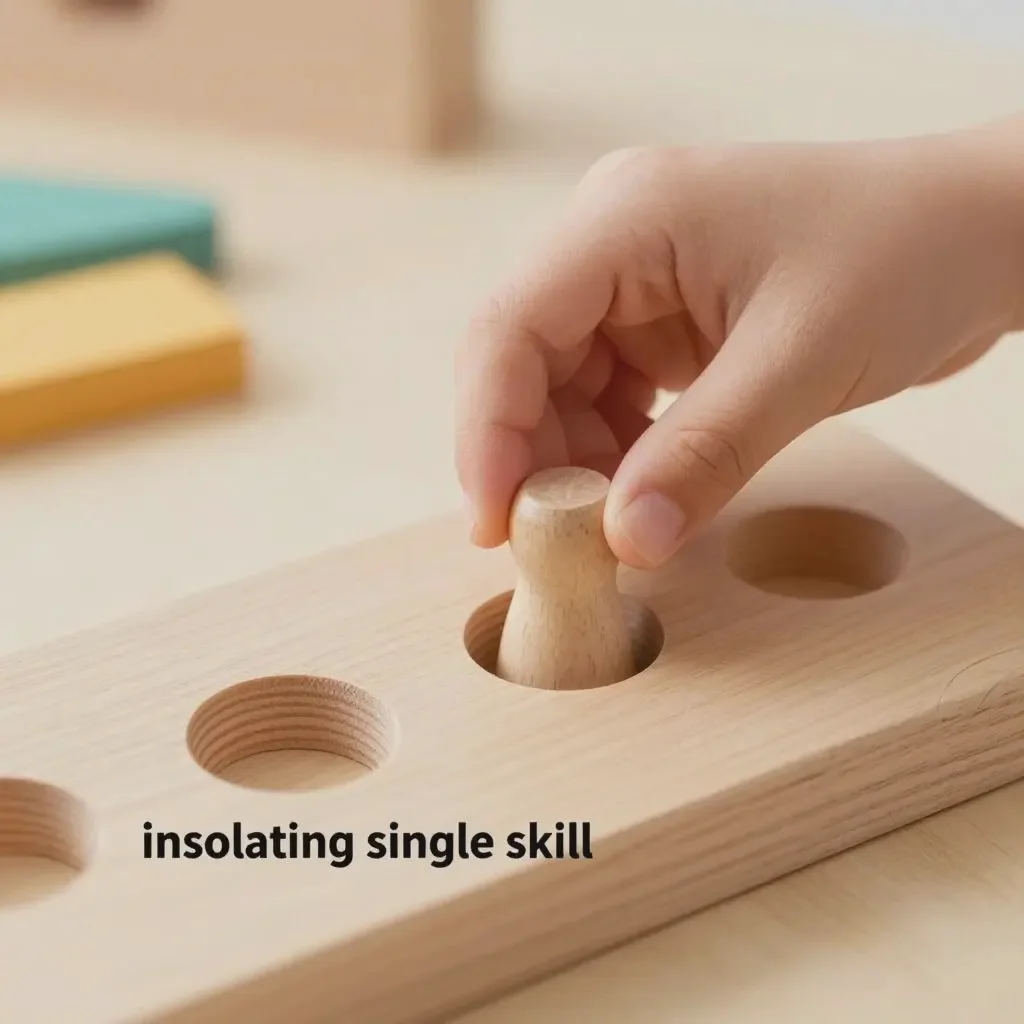
When shopping, look for toys made from "real" materials like wood, metal, or cotton. These materials provide varied weights, temperatures, and textures that plastic simply cannot mimic. For a 12-to-24-month-old, the goal is to provide a "point of interest" that captures their attention and encourages them to repeat an action until they master it. This repetition is the key to building the neural pathways required for deep concentration later in life.
How Do Specific Toys Refine Fine Motor Skills?
Between 12 and 24 months, the "pincer grasp" and wrist rotation become primary areas of development. Children at this age are obsessed with "containing"—putting things in, taking things out, and fitting objects together.
Toys like the Object Permanence Box, Coin Drop, and Vertical Ring Stackers are essential for this stage. They require the child to use precise hand-eye coordination to align objects, which directly prepares them for later tasks like holding a pencil or using cutlery.
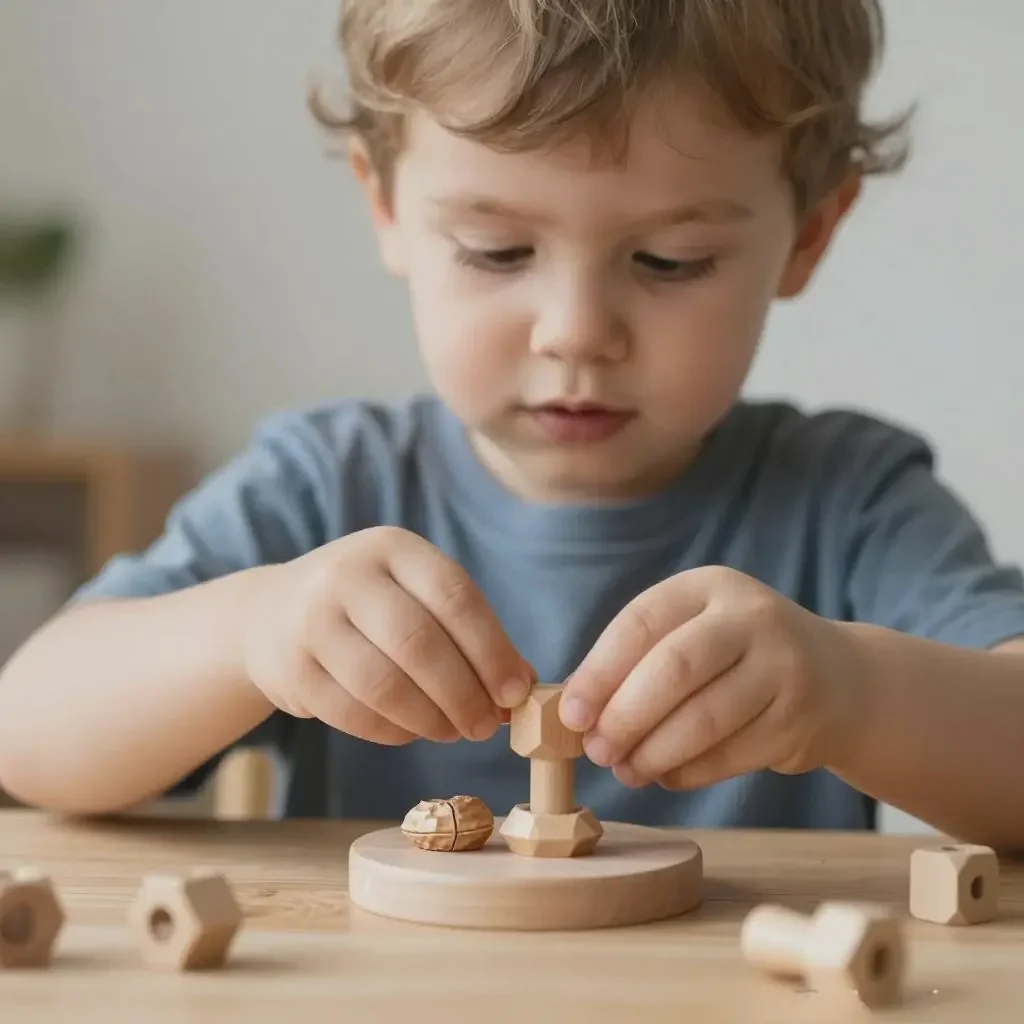
As your child nears age two, you can introduce more complex challenges like "Lacing Beads" or "Lock Boxes." These toys require bilateral coordination—using both hands together in a synchronized way. By mastering these small, intricate movements, toddlers gain a sense of physical agency over their world. It’s not just about moving a bead; it’s about the brain-body connection that tells the child they are capable of manipulating their environment with precision.
Can Play Equip Children for Practical Life Skills?
In a Montessori home, "play" is often referred to as "work" because it is taken seriously by the child. Toddlers are naturally drawn to what they see adults doing. They don't want a toy kitchen that makes fake sizzling sounds; they want to help you wash real vegetables or sweep the floor.
Practical Life toys are child-sized versions of real tools. Items like a small functional broom, a wavy vegetable chopper, or a tiny pitcher for pouring water allow the child to participate in the household, fostering a deep sense of belonging and independence.
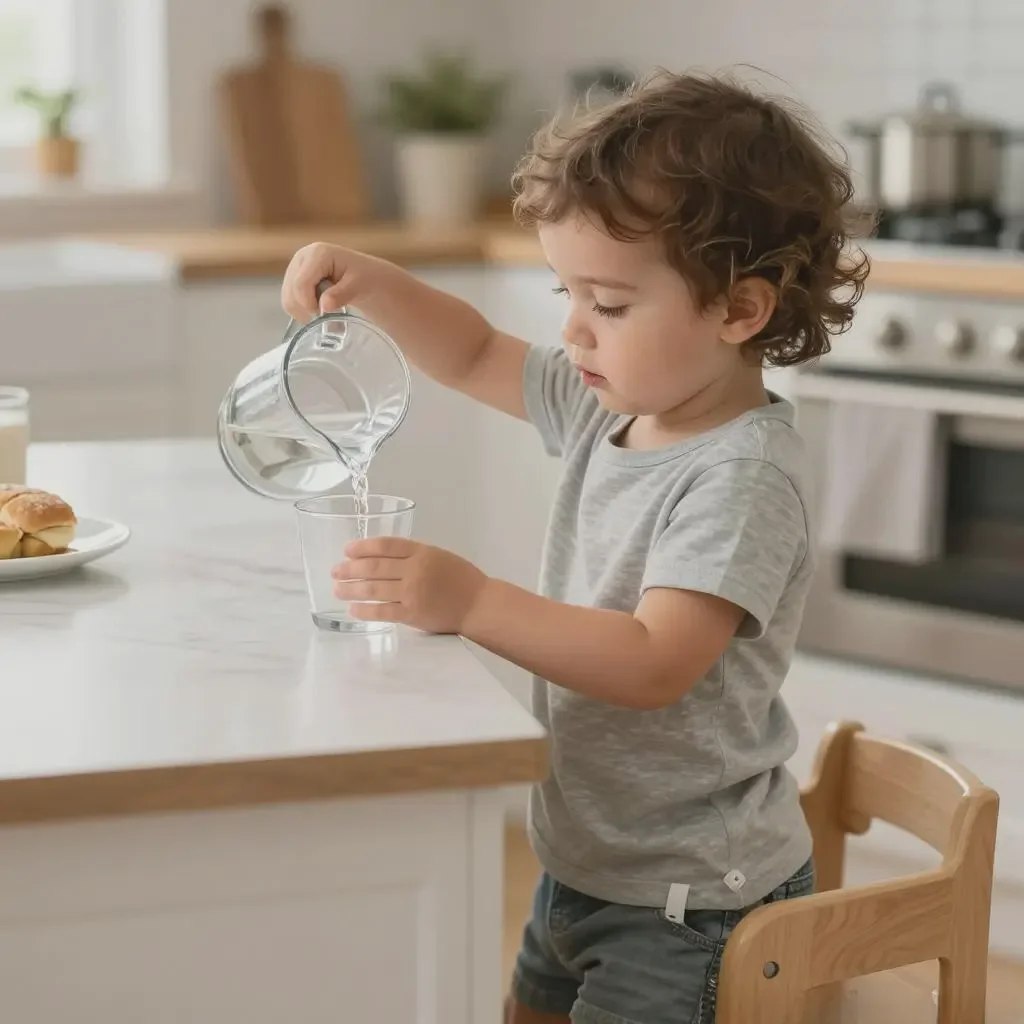
Introducing these tools early satisfies the toddler's "sensitive period" for order and imitation. When a child learns to pour their own water or wipe up a spill with a small cloth, they aren't just learning a chore; they are building self-esteem. They learn that they are contributing members of the family, which reduces "power struggles" because the child feels empowered rather than controlled.
Is Toy Rotation the Secret to Sustained Focus?
One of the biggest mistakes parents make is offering too many choices at once. A mountain of toys leads to "decision paralysis" and a shorter attention span. If a child is surrounded by 20 toys, they are likely to throw them all on the floor rather than engage deeply with one.
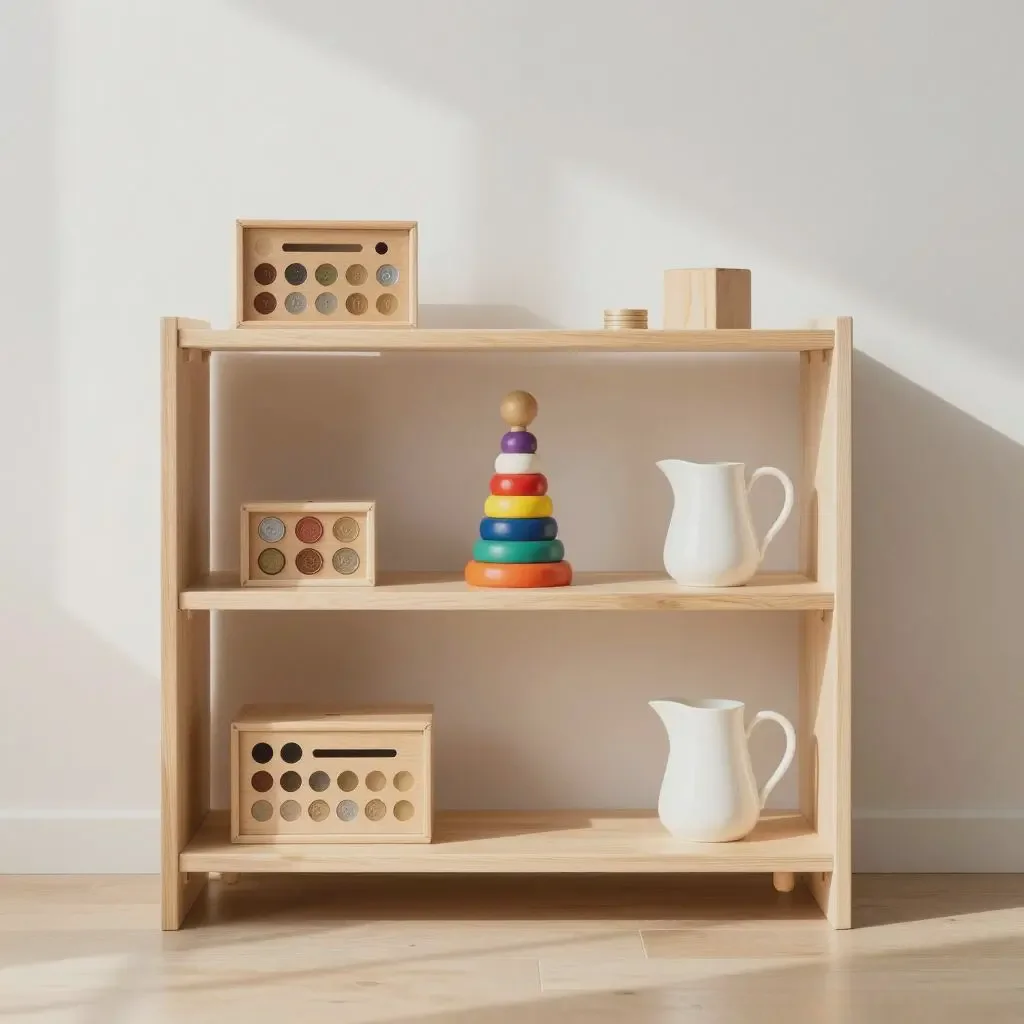
Toy rotation is the practice of displaying only 6 to 8 toys at a time on low, open shelves. By keeping the majority of your collection in storage and swapping them out every few weeks, you keep the environment fresh and the child’s interest piqued.
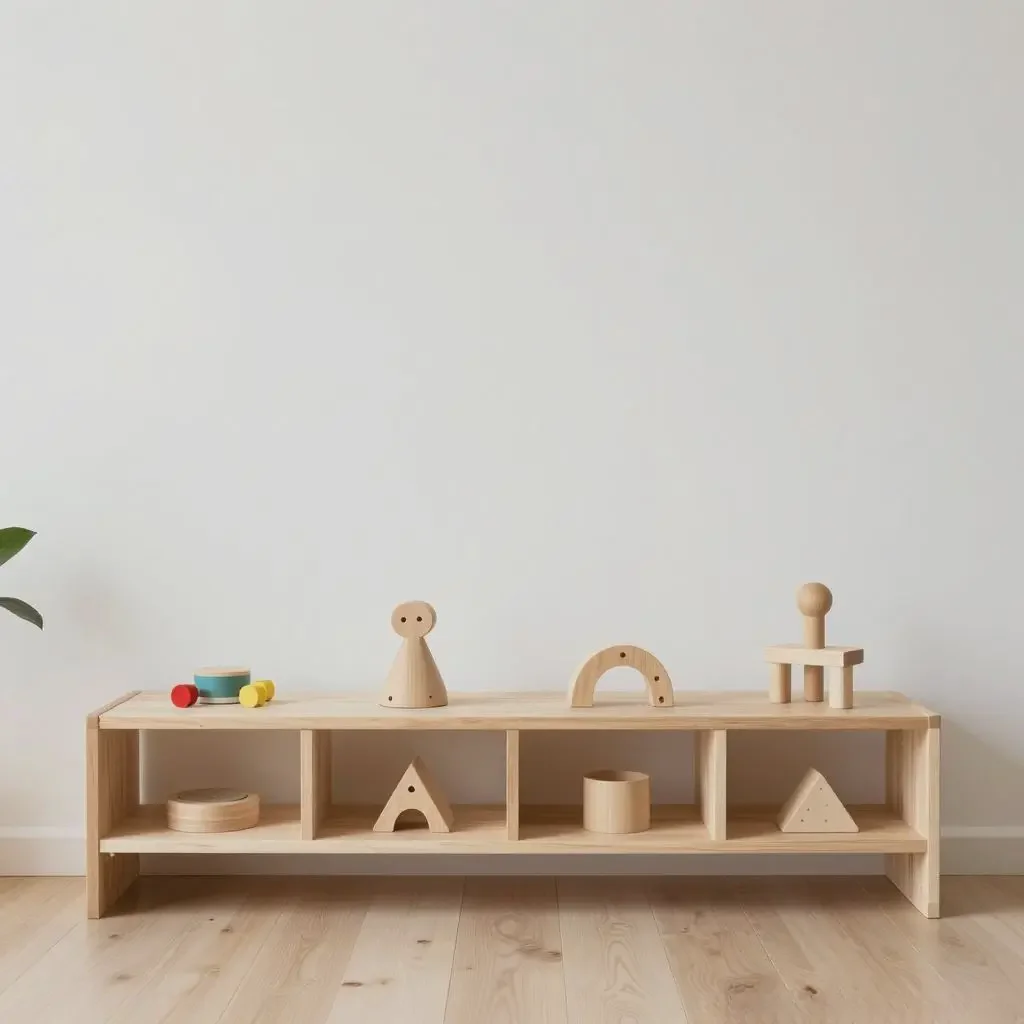
When you observe your child becoming bored or starting to misuse a toy (like throwing a puzzle), it’s usually a sign that the challenge is either too easy or the environment is too cluttered. A successful rotation involves observing what your child is currently interested in—are they into climbing? Sorting by color? Use those observations to curate the next "set" of toys. This minimalist approach saves you money and, more importantly, saves your child from sensory overstimulation.