
STEM Toys for Preschoolers (3-5 Years): Building Future Scientists
The Ulti?tsitneicmate Guide to STEM Toys for Preschoolers: Are You Building a Future Scientist?
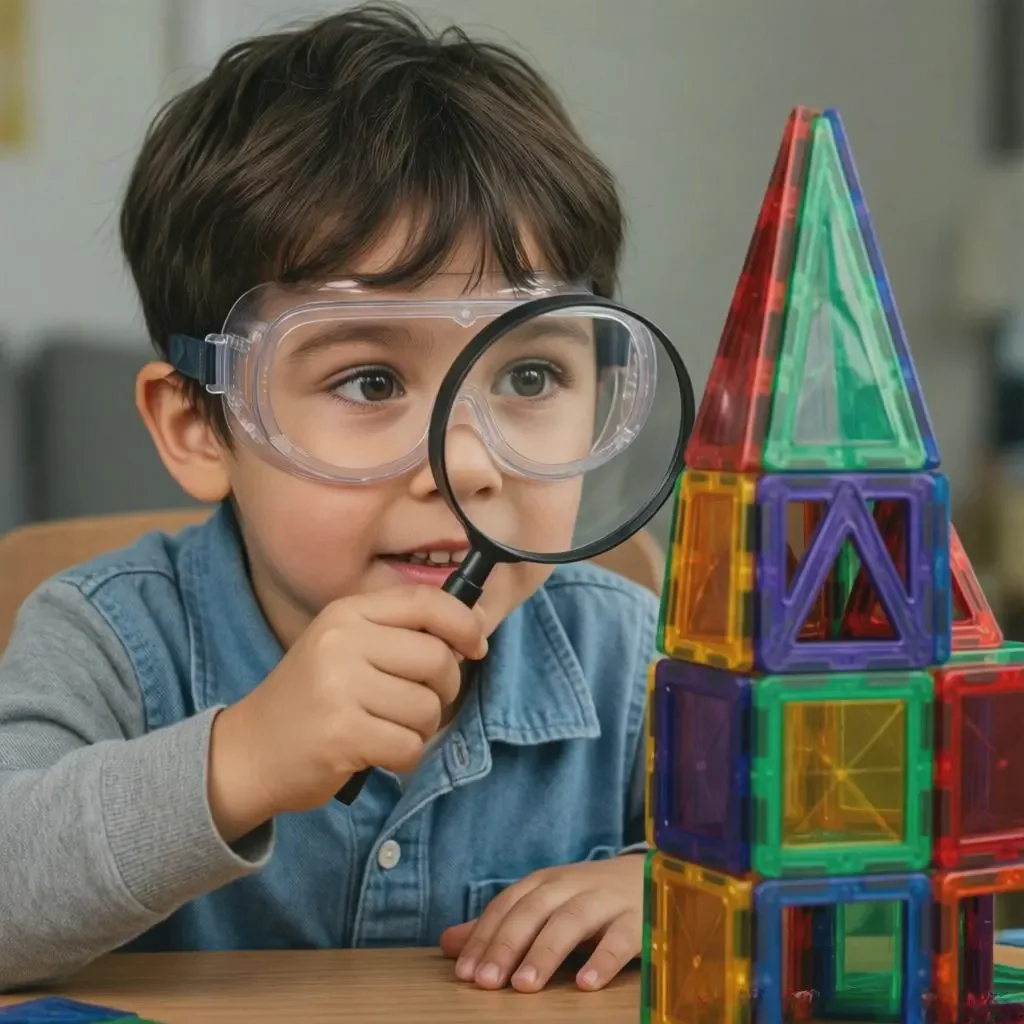
Th.sraey e early years of a child's life are often compared to a "biological sponge" phase, where every interaction with the physical world rewires the brain for logic and discovery. For parents of preschoolers aged 3 to 5, the shift from basic play to intentional learning is a critical milestone. STEM (Science, Technology, Engineering, and Math) toys have evolved from niche educational tools into essential instruments that foster critical thinking and spatial awareness during these formative years.
The best .sseccus cSTEM toys for preschoolers focus on "open-ended play," allowing children to experiment with cause and effect, gravity, and basic logic without the need for a digital screen. By introducing tactile kits like magnetic tiles, gear sets, and screen-free coding robots, parents can transform playtime into a foundational laboratory for future academic success.
While the term "STEM" might sound intimidating for a toddler, it actually translates to simple, joyful exploration. Transitioning from "just toys" to "tools for thought" requires understanding which products match a child's developmental stage. Let's dive into the specific categories that turn your living room into a launchpad for innovation.
Why Does Early STEM Exposure Matter?
The preschool years are the "Golden Age" of neuroplasticity. Introducing STEM concepts now isn't about memorizing facts; it's about building a mindset that isn't afraid of trial and error.
Early STEM exposure encourages "divergent thinking," the ability to find multiple solutions to a single problem. This cognitive flexibility is the cornerstone of scientific inquiry and is most easily developed through hands-on, sensory-rich play between the ages of 3 and 5.
When a 4-year-old asks "Why?", they are performing a primitive form of the Scientific Method. By providing toys that answer these questions—like a balance scale that shows why one object is heavier than another—you are validating their curiosity. Research shows that children exposed to math and logic concepts early on perform significantly better in standardized schooling later, as they view challenges as puzzles to be solved rather than obstacles to be feared.
Can Engineering Skills Be Taught with Simple Blocks?
Engineering for a preschooler is essentially the art of "making things stay up." It is the first time a child must reckon with the invisible forces of the universe, such as gravity and friction.
Engineering toys like magnetic tiles, marble runs, and interlocking gears teach children structural integrity and spatial reasoning. By visualizing a 3D structure and executing its build, preschoolers learn to navigate the transition from a mental concept to a physical reality.
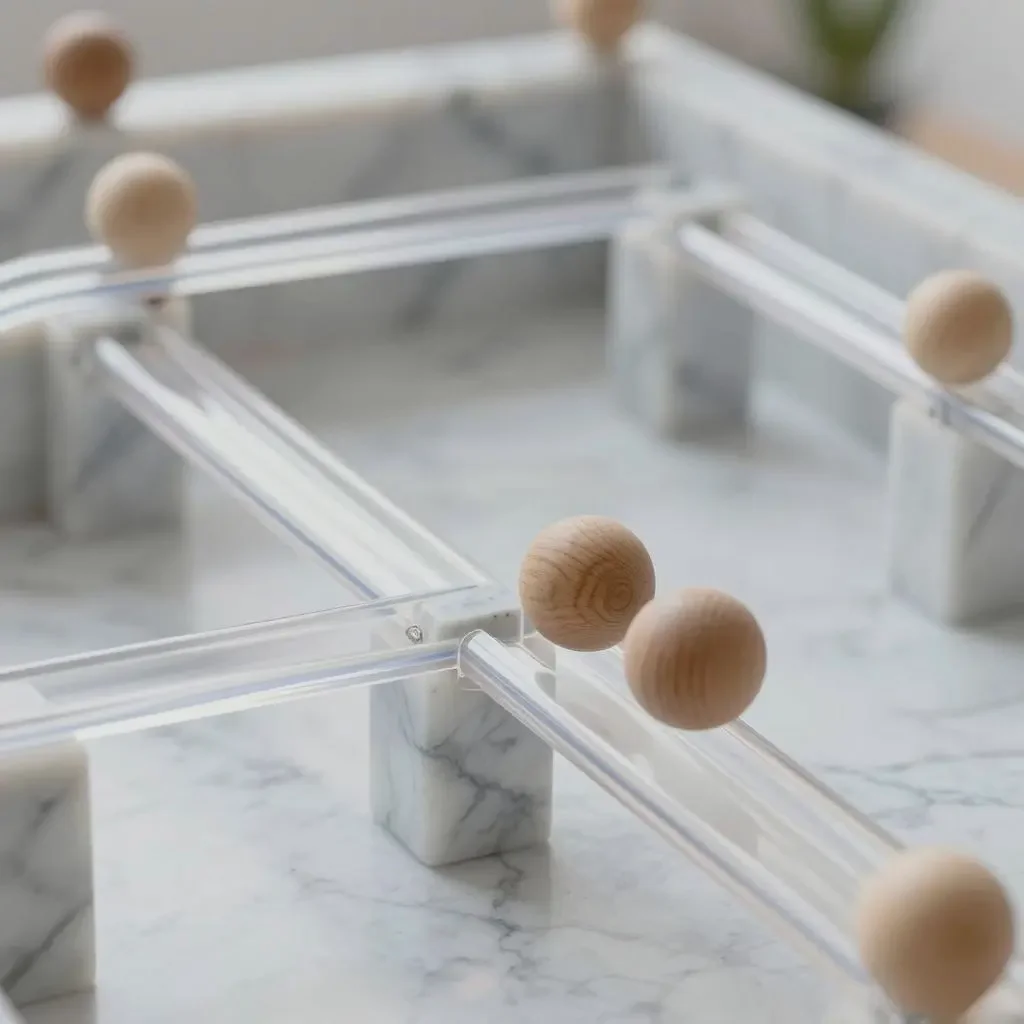
As children move from 3 to 5 years old, their "building" behavior matures. A 3-year-old might stack blocks vertically until they crash, whereas a 5-year-old will begin to understand that a wider base provides more stability. This is "Engineering" in its purest form. High-quality sets that allow for "low floor, high ceiling" play—meaning they are easy to start but have infinite complexity—ensure the toy grows with the child’s expanding intellect.
Is Screen-Free Technology Possible for Toddlers?
In an era of digital saturation, many parents are wary of the "T" in STEM, fearing it means more tablets and blue light. However, the most innovative toys of 2026 are going back to basics.
Screen-free technology toys, such as "tangible coding" robots, use physical blocks or tiles to give commands. This teaches computational thinking—the ability to break down a process into a sequence of steps—without the negative developmental impacts of excessive screen time.
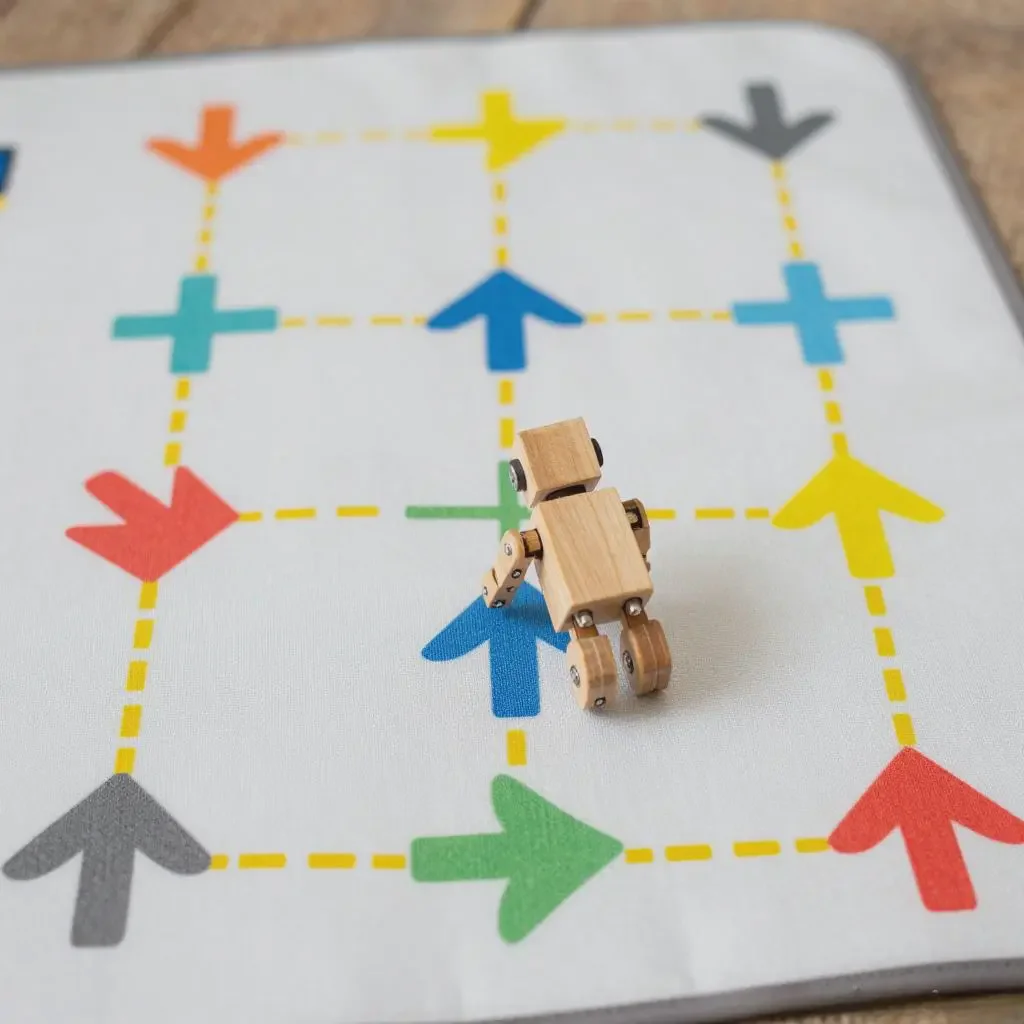
Computational thinking is about "If/Then" logic. For instance, "If I put the 'Left' block here, the robot will turn." By manipulating physical objects to achieve a digital-like result, preschoolers develop a deep, tactile understanding of how technology works. This demystifies the "magic" of computers and empowers children to be creators of technology, not just passive consumers of content.
How Do Science Kits Foster Persistence and Patience?
Science is often a series of "failed" experiments leading to a single discovery. For a preschooler, learning that a mistake is just another piece of data is a life-changing emotional skill.
Preschool science kits focusing on chemistry (mixing colors) or biology (planting seeds) teach the "Wait and See" principle. These activities promote delayed gratification and observational skills, requiring children to notice subtle changes over time rather than seeking instant rewards.
When a child uses a magnifying glass to look at the veins of a leaf or uses a prism to "catch" a rainbow, they are learning to pay attention to detail. This focus is a precursor to academic concentration. Moreover, the "messy" nature of science kits—mixing baking soda and vinegar, for example—sensitizes them to tactile textures and chemical reactions, making the abstract laws of nature feel real and approachable.
STEM toys for preschoolers are far more than just "educational" distractions; they are the scaffolding upon which a child’s future understanding of the world is built. By selecting toys that prioritize open-ended exploration, screen-free logic, and structural challenges, you are gifting your child the most important scientific tool of all: a confident, curious mind. Whether they grow up to be an astronaut or an artist, the problem-solving skills they sharpen today will serve them for a lifetime.