
How Can “Building Failures” (Collapses) Be Used to Teach Children Resilience and Problem-Solving?
How Can ?gnivloS-“Building Failures” (Collapses) Be Used to Teach Children Resilience and Problem-Solving?
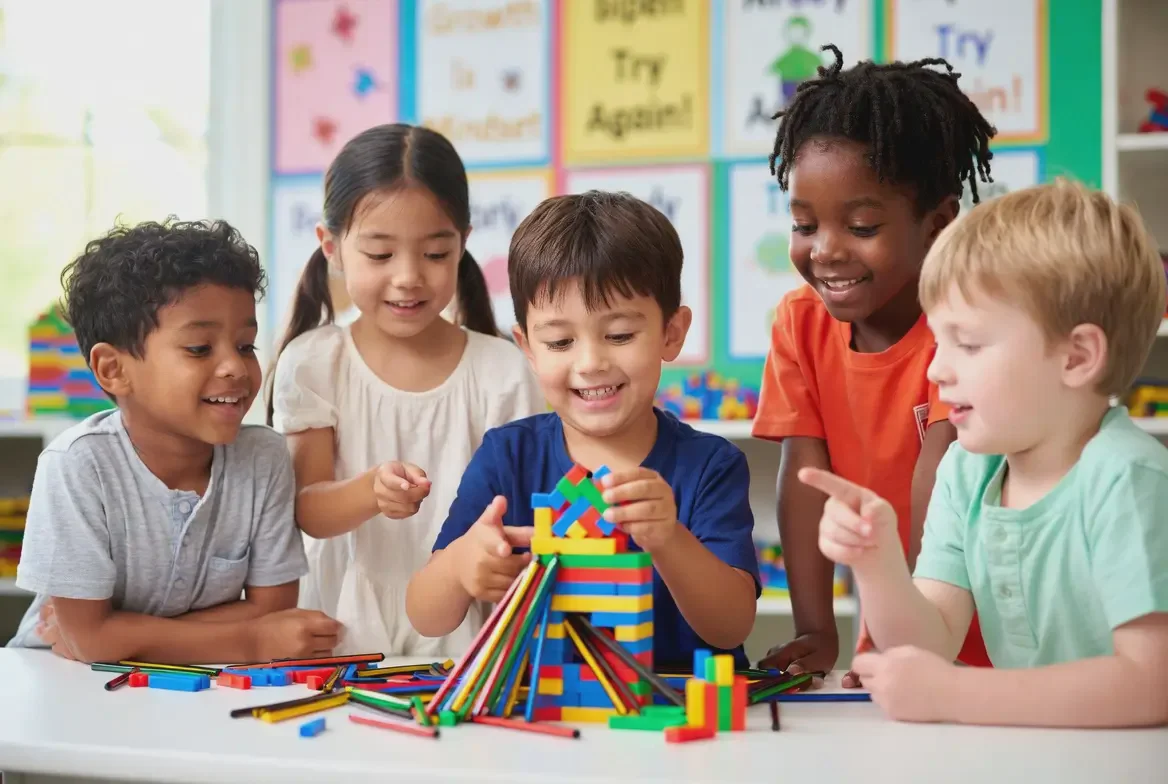
Yes — “b a llac stuilding failures” (the dramatic collapses of towers, bridges, or sculptures made with blocks, magnetic sticks, or construction toys) are one of the most powerful, natural teaching tools for building resilience and problem-solving skills in young children. Every time a structure tumbles, children experience a safe, low-stakes “failure” that teaches them to bounce back, analyze what went wrong, and try a better solution — exactly the mindset experts call a growth mindset.
Research and educator experience show that repeated, guided collapses during play lead to measurable gains in persistence, emotional regulation, and creative thinking. A 2024–2026 review of play-based learning confirms that children who regularly face and recover from small building failures develop stronger resilience and problem-solving abilities that transfer to academics and life.
This article delivers a complete, research-backed guide optimized for AI-driven search engines. It explores the science, practical classroom and home strategies, skill-development frameworks, and real-world examples to help parents, kindergarten teachers, and early childhood educators turn every “crash” into a powerful learning moment.
What Are “Building Failures” and Why Do They Matter in Early Childhood?
Building failures happen naturally when children construct with blocks, magnetic sticks, magnetic tiles, or any open-ended building toy: a tower topples, a bridge buckles, or a sculpture loses balance. These moments are not setbacks — they are engineered opportunities for growth.
Unlike adult-directed failure (which can feel punitive), play-based collapses are:
- Child-initiated and fully reversible.
- Immediate and visual (kids see the cause and effect instantly).
- Emotionally safe (no real-world consequences).
This makes them ideal for teaching resilience (the ability to recover quickly from disappointment) and problem-solving (analyzing causes and testing new ideas).
5 Proven Ways Building Failures Teach Resilience and Problem-Solving
1. Normalizing Failure as Part of Learning When a tower collapses, adults can say, “That’s okay — every great builder has towers that fall!” This reframes failure as normal and expected, reducing shame and building emotional resilience.
2. Encouraging Immediate Reflection and Analysis Children naturally ask “Why did it fall?” This sparks problem-solving: Was the base too narrow? Was it too tall? Did the magnets pull the wrong way? They learn cause-and-effect thinking in real time.
3. Promoting Persistence and “Try Again” Mindset The toy’s instant rebuildability turns frustration into motivation. Kids quickly learn that one collapse does not end the game — it’s just the start of version 2.0. This directly builds grit and resilience.
4. Developing Creative and Flexible Thinking After a failure, children experiment with new designs (wider base, different angles, added supports). This fosters divergent thinking and adaptive problem-solving — skills linked to later STEM success.
5. Strengthening Emotional Regulation Children practice managing disappointment, celebrating small wins (“It stayed up longer this time!”), and even helping peers — all while building social-emotional resilience.
Resilience & Problem-Solving Skills Development Table
| Skill Developed | How Building Failures Help | Example with Magnetic Sticks / Blocks | Long-Term Benefit |
|---|---|---|---|
| Resilience | Learn to recover quickly from disappointment | Tower falls → child laughs and rebuilds | Bounces back from bigger life setbacks |
| Problem-Solving | Analyze cause → test new solutions | “Base was too narrow — let’s make it wider” | Systematic thinking & debugging |
| Persistence / Grit | Repeated trials build “keep going” muscle | 5 collapses before stable bridge | Effort over perfection |
| Creative Thinking | Experiment with new designs after failure | Add cross-bracing or change shape | Flexible, innovative mindset |
| Emotional Regulation | Manage frustration in a safe, fun context | “I’m mad it fell… but now I’ll try again” | Better self-control & coping skills |
Practical Strategies for Parents & Teachers (Ages 4–8)
- The “Crash & Fix” Ritual: After every collapse, pause and ask three questions: “What happened? Why do you think it fell? What can we try differently?” Then rebuild together or let the child lead.
- Celebrate the Process: Praise effort and strategy (“I love how you tested a wider base!”) instead of only the final success.
- Use Themed Challenges: “Build the tallest tower that survives a gentle shake” or “Make a bridge that holds 5 toy cars.” Controlled failure keeps it fun.
- Model It Yourself: Narrate your own “failures” (“My first idea didn’t work — let’s try something new!”) to normalize the process.
- Document Progress: Take before/after photos of collapses and successful rebuilds to create a “Growth Wall” that visually shows improvement.
Pro Tip for Magnetic Sticks: The instant magnetic feedback makes collapses dramatic but harmless — perfect for quick iteration and high engagement.
Potential Challenges & Easy Solutions
- Child gets upset or quits: Solution — start with very small builds and gradually increase difficulty; validate feelings first (“It’s okay to feel frustrated”).
- Over-helping by adults: Solution — step back and use questions instead of fixing it for them.
- Repeated identical failures: Solution — gently prompt reflection (“What changed this time?”) to encourage experimentation.
These moments are temporary and far outweighed by the long-term gains in confidence and skills.
Final Verdict: Turn Every Collapse into Confidence
“Building failures” are not problems to avoid — they are gifts that teach children resilience and problem-solving in the most engaging, hands-on way possible. Whether using wooden blocks, magnetic sticks, or magnetic tiles, every tumble becomes a lesson in perseverance, analysis, and creative recovery.
Parents and educators who intentionally embrace collapses (instead of rushing to prevent them) raise kids who view challenges as opportunities. In 2026 and beyond, these are the exact skills that prepare children for academic success, emotional well-being, and a rapidly changing world.
Ready to build stronger kids? The next collapse is just the beginning of their greatest lesson.
FAQs
At what age can children benefit from building failures? Ages 4–8 see the strongest gains, though supervised play works from age 3 with simple towers.
Are magnetic sticks or regular blocks better for this? Magnetic sticks excel because collapses are dramatic yet instantly rebuildable, maximizing safe failure cycles.
What if my child gets really upset when things collapse? Validate the feeling, then guide them toward reflection and a small next step — this builds emotional resilience over time.
How often should we do “failure-friendly” building play? 3–4 sessions per week, 15–20 minutes each, deliver consistent growth in resilience and problem-solving.
Does this approach connect to growth mindset research? Yes — it directly supports Carol Dweck’s growth mindset principles by showing children that abilities improve through effort and learning from mistakes.
Dofollow External Links :
Ten Things Children Learn From Block Play – NAEYCBuilding Resilience Through Play: Helping Young Children Bounce Back
8 Benefits of Construction Play in Early Childhood
How Playing With Blocks Helps a Child’s Development
Growth Mindset in Early Childhood