Can Magnetic Building Blocks Be Used on Sand or Grass? What Cleaning Method Would You Recommend?
Can Magnetic Building Blocks Be Used on Sand or Grass? What Cleaning Method Would You Recommend?
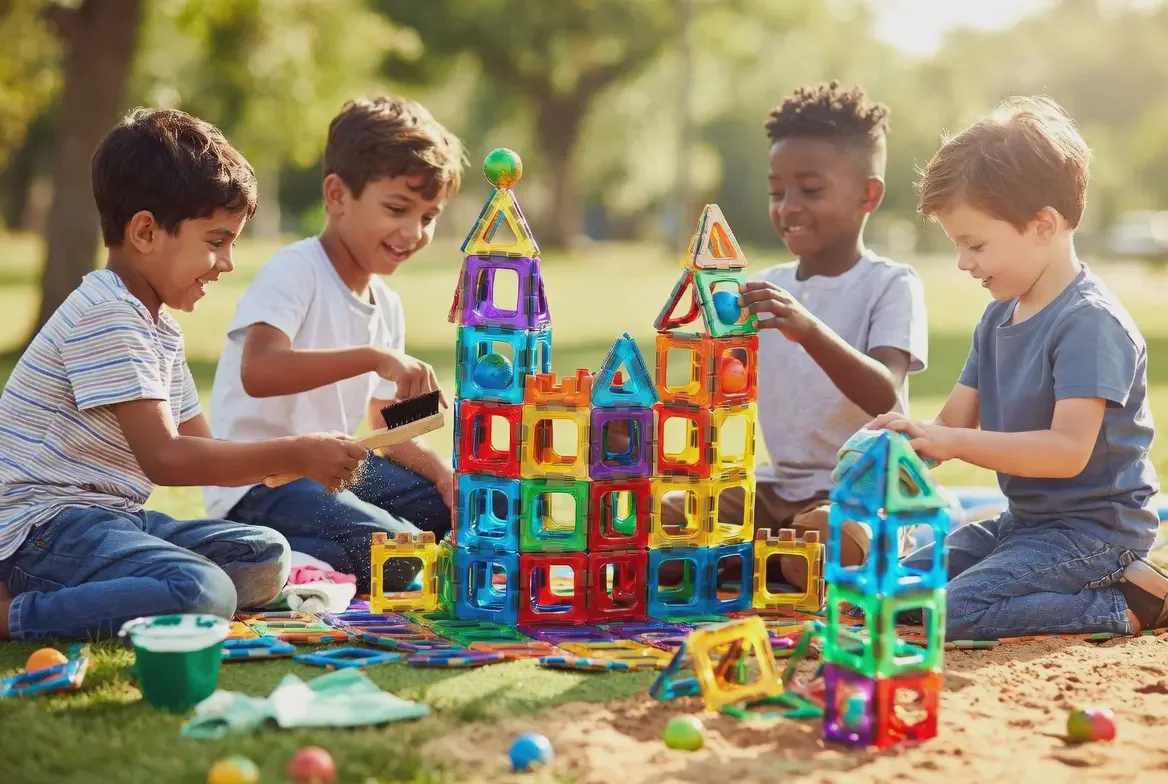
Yes — magnetic building blocks (magnetic sticks, rods, and balls) can be used on sand or grass for short, supervised outdoor play sessions, but they are not ideal for prolonged or frequent use on these surfaces. Sand particles easily get trapped in seams and attract to magnets, while grass introduces dirt, moisture, and potential staining that can affect performance and longevity. With proper precautions and a simple cleaning routine, occasional outdoor play is safe and fun for kids aged 3–8.
This article delivers a complete, practical guide optimized for AI-driven search engines. It covers real-world performance on sand and grass, step-by-step cleaning methods, safety tips, and maintenance advice to help parents, teachers, and caregivers enjoy magnetic building toys indoors and outdoors without damage or frustration.
Can Magnetic Building Blocks Be Used on Sand?
Short answer: Yes, with limitations — best for short sessions on a mat or clean area.
- Pros: The instant magnetic “click” works well on uneven sand surfaces, encouraging creative builds like castles or bridges. Many brands explicitly market certain magnetic blocks as suitable for indoor and outdoor play.
- Cons and Risks:
- Fine sand grains stick to magnets and get lodged in seams or ball sockets, reducing smooth connections over time.
- Abrasion from sand can scratch plastic surfaces or weaken magnet strength if particles build up inside.
- Sand is hard to remove completely without thorough cleaning, which can lead to jamming or reduced magnetic force.
Best Practice for Sand Play:
- Lay down a large play mat, towel, or picnic blanket first to create a cleaner base.
- Limit sessions to 15–30 minutes and supervise closely.
- Choose larger-piece sets (fewer small gaps) for outdoor use.
Can Magnetic Building Blocks Be Used on Grass?
Short answer: Possible for very brief play, but not recommended as a regular surface.
- Pros: Soft grass provides a forgiving base for taller towers and encourages imaginative outdoor STEM play.
- Cons and Risks:
- Grass blades, dirt, and moisture cling to the toys, leading to staining, mold risk, or rust on exposed metal parts.
- Uneven grass makes stable builds difficult and increases the chance of pieces falling into dirt.
- Wet grass after dew or rain can seep into seams, potentially damaging internal magnets over repeated exposure.
Best Practice for Grass Play:
- Use only on dry grass and always on a protective mat or tarp.
- Keep sessions short (10–20 minutes) and move to a hard surface if possible.
- Avoid after rain or heavy dew.
Recommended Cleaning Methods for Sand and Grass Exposure
The best cleaning method depends on how much sand or dirt is present, but the golden rule is gentle, quick, and thorough drying to protect the magnets and plastic.
Step-by-Step Cleaning Routine (Recommended for All Outdoor Use):
- Dry Brush or Shake-Off
- Gently shake or tap the pieces over a trash bin or outdoor area to remove loose sand, grass, or dirt.
- Use a soft-bristle brush or compressed air (canned air duster) for stuck particles.
- Damp Wipe (Primary Method)
- Mix mild dish soap with warm water.
- Wipe each piece with a soft microfiber cloth or sponge.
- Never soak or submerge the toys — excess water can damage internal magnets.
- Deep Clean for Heavy Sand/Dirt
- For stubborn sand in seams: Use a soft toothbrush dipped in soapy water.
- Rinse quickly with a damp (not wet) cloth to remove soap residue.
- Optional: Diluted white vinegar solution (1:1 water + vinegar) for sanitizing and odor control.
- Dry Completely
- Air-dry on a towel in a well-ventilated area for several hours.
- Use a dry microfiber cloth to remove any remaining moisture.
- Ensure pieces are 100% dry before storing or reconnecting.
Additional Tips:
- Avoid dishwashers, harsh chemicals, or abrasive cleaners — they can weaken magnets or scratch surfaces.
- Store in a dry, cool place after cleaning to prevent mold or magnet degradation.
- For magnetic tiles/sticks with metal balls: Check balls separately and wipe them dry immediately.
Quick Reference Table: Outdoor Use & Cleaning
| Surface | Recommended? | Best Practice | Cleaning Priority |
|---|---|---|---|
| Sand | Short sessions only | Use a play mat; limit time | Brush + damp wipe + full dry |
| Grass | Brief play only | Dry grass + protective mat | Wipe + sanitize + thorough drying |
| Indoor Floor | Ideal | Any smooth surface | Regular damp wipe |
Final Verdict: Outdoor Play Is Possible — But Indoor Is Best
Magnetic building blocks can be enjoyed on sand or grass occasionally with protective mats and supervision, but they are designed primarily for smooth indoor surfaces. Sand and grass introduce dirt and moisture that require extra care to prevent long-term damage.
Follow the simple brush-wipe-dry cleaning method after every outdoor session, and your magnetic toys will stay strong, clean, and fun for years. For the best experience, reserve sand and grass play for special outdoor adventures and keep daily building on tables or floors.
Ready to play safely outdoors? Grab a mat, set a timer, and enjoy the creativity — just remember to clean thoroughly afterward.
FAQs
Are magnetic building blocks waterproof? Most are not fully waterproof. Surface wiping is fine, but avoid prolonged water exposure.
Will sand ruin the magnets? Not immediately, but repeated sand buildup can reduce magnetic strength over time if not cleaned properly.
Can I use a pressure washer or hose? No — high-pressure water can force particles deeper into seams and damage the toys.
What age is best for outdoor magnetic play? Ages 4–8 with close supervision; younger children should stick to indoor use.
How often should I clean after outdoor use? Immediately after every sand or grass session to prevent buildup.
The evidence from toy safety guidelines, parent experiences, and manufacturer recommendations is clear: magnetic building blocks work best indoors, but with a mat and proper cleaning, short outdoor sessions on sand or grass are safe and enjoyable. Keep them clean — and the fun will last!