Halloween Costume for Boys vs Girls: Do Gender - Specific Designs Still Matter?
1. Introductionoitcun
As Halloween approaches each year, the question of whether gender - specific costume designs are still relevant lingers. Historically, there have been distinct costume paths for boys and girls. However, in an era of growing inclusivity and evolving gender norms, this long-held tradition is under scrutiny.
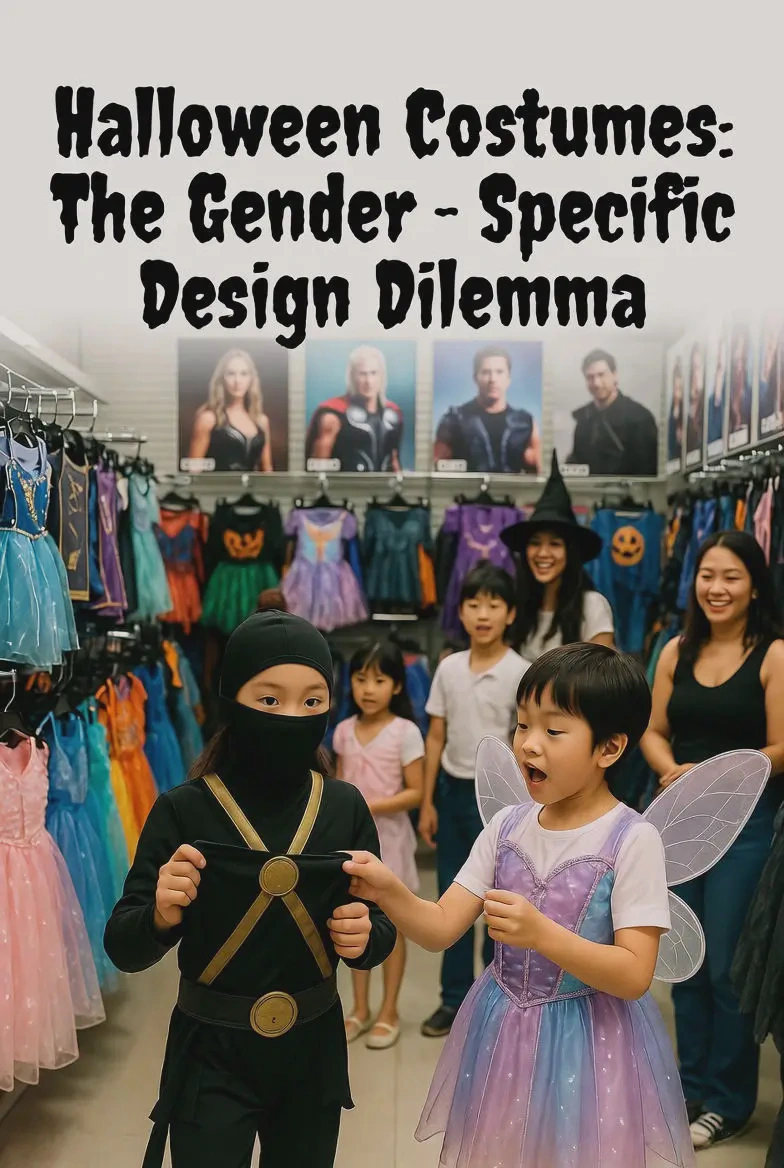
2. The Traditional Gender - Specific Costume Landscape
2.1 Boys' Costumes
- Masculine Archetypes: Traditional boys' Halloween costumes often centered around masculine archetypes. Superheroes like Superman or Wolverine were extremely popular. These costumes not only provided a sense of power and heroism but also allowed boys to embody the physical strength and problem-solving abilities associated with these characters. For instance, a Superman costume with its iconic red cape and blue suit made boys feel like they could soar through the sky and save the world.
- Adventure-Based Themes: Pirates, knights, and explorers were also common choices. A pirate costume, complete with an eye patch, a sword, and a tricorn hat, enabled boys to step into the shoes of swashbuckling adventurers. Knights' costumes, with armor and shields, transported them to medieval battlefields, fostering a sense of chivalry and courage.
2.2 Girls' Costumes
- Feminine and Fairy - Tale Inspired: Princess costumes, such as those of Belle from "Beauty and the Beast" or Rapunzel, were staples for girls. These costumes typically featured flowing gowns, delicate tiaras, and sometimes a magic wand. They were designed to evoke grace, beauty, and the enchanting world of fairy tales. For example, a Rapunzel costume with its long, golden - colored hair and purple dress made girls feel like they were part of a magical story.
- Mythical and Delicate Creatures: Fairies and mermaids were also popular among girls. Fairy costumes with their wings, tutus, and sparkly accents emphasized femininity, lightness, and a touch of magic. Mermaid costumes, with their sequined tails and seashell - inspired accessories, allowed girls to explore the mysterious underwater world while maintaining a sense of elegance.
3. The Changing Dynamics
3.1 The Push for Inclusivity
- Challenging Gender Norms: In recent years, there has been a significant push to challenge gender norms in Halloween costumes. Many individuals, both young and old, are choosing costumes based on personal interests rather than gender - based expectations. For example, a girl might opt to dress up as a ninja, breaking the stereotype that such action - oriented costumes are only for boys. Similarly, a boy could choose to be a fairy, defying the traditional gender - specific design boundaries.
- Inclusive Marketing Strategies: Costume manufacturers and retailers are taking notice. They are increasingly creating and promoting gender - neutral or inclusive costume lines. These lines feature costumes like "space adventurer" or "mystical wizard," which can be worn by children of all genders. This shift in marketing reflects the changing demands of consumers who value inclusivity and the freedom of self - expression.
3.2 The Influence of Media and Pop Culture
- Diverse Representation: The media has played a pivotal role in changing the perception of gender - specific costumes. Movies and TV shows with strong female characters in action - packed roles, like Wonder Woman, have inspired girls to choose more assertive and powerful costumes. At the same time, male characters in nurturing or creative roles have broadened the scope of what boys can represent on Halloween.
- Social Media Impact: Social media platforms have also contributed to this change. They expose children to a wide variety of unique and non - traditional Halloween costumes from around the world. This exposure encourages them to think outside the box and choose costumes that truly reflect their personalities, rather than conforming to gender - specific designs.
4. Arguments in Favor of Gender - Specific Designs
4.1 Tradition and Cultural Heritage
- Cultural Continuity: For some cultures, gender - specific Halloween costumes are part of a long - standing tradition. These costumes may be linked to cultural festivals or historical practices. For example, in certain European cultures, there are specific costumes for boys and girls during harvest - related festivals that are passed down through generations, carrying with them a sense of cultural identity.
- Family and Community Bonds: In some families, the tradition of choosing gender - specific costumes creates a sense of family and community. It can be a way to connect with past generations and uphold family values. For instance, a grandmother might have fond memories of dressing her daughter in a princess costume, and she may want to continue that tradition with her granddaughter.
4.2 Personal Identity and Self - Expression
- Gender Identity Affirmation: For some children, choosing a gender - specific costume can be a way to affirm their gender identity. Wearing a costume that aligns with their perceived gender can give them a sense of belonging and confidence. For example, a boy who strongly identifies as male may feel a sense of pride when wearing a traditional male - oriented costume like a cowboy.
- Stereotype Reinforcement (Positive Perspective): In some cases, the reinforcement of traditional gender - specific costumes can be seen as a positive form of self - expression. A girl who loves the idea of being a princess may feel that a princess costume allows her to express her love for beauty, grace, and the fantasy world associated with princesses.
5. Arguments Against Gender - Specific Designs
5.1 Limiting Creativity and Self - Expression
- Constraining Interests: Gender - specific costume designs can limit a child's creativity by restricting them to a narrow set of options based on their gender. A child who has interests outside of the traditional gender - specific costume themes may feel discouraged from exploring those interests. For example, a boy who is interested in fashion design may be hesitant to choose a more elaborate and "feminine - looking" costume due to societal expectations.
- Stifling Innovation: These designs can also stifle innovation in costume design. By adhering to traditional gender - specific patterns, there is less room for new and unique costume ideas that could appeal to a wider range of children.
5.2 Reinforcing Gender Stereotypes
- Long - Term Impact: Constant exposure to gender - specific costume designs can reinforce harmful gender stereotypes. These stereotypes can have long - term effects on children's attitudes towards gender roles, influencing their career choices, social interactions, and self - perception. For example, the idea that girls should only be princesses and boys should only be superheroes can limit their understanding of what they can achieve in life.
- Exclusionary for Non - Conforming Individuals: Gender - specific costume designs can be exclusionary for children who do not conform to traditional gender norms. Non - binary children, in particular, may find it difficult to find a costume that represents their identity, as most costumes are still marketed and designed with a binary gender framework in mind.
6. Conclusion
6.1 A Complex and Evolving Issue
The question of whether gender - specific designs in Halloween costumes still matter is a complex one. While there are valid arguments on both sides, the trend towards inclusivity and the breaking of gender stereotypes is becoming increasingly prominent.
6.2 The Future of Halloween Costumes
The future of Halloween costumes should focus on allowing children to express themselves freely, 不受 gender - specific design constraints. This would not only enhance the Halloween experience but also contribute to a more inclusive and understanding society.