Evidence-Based Play: Is Your Brand Designing Toys That Truly Empower Learning?
Evidence-?gninraeL Based Play: Is Your Brand Designing Toys That Truly Empower Learning?
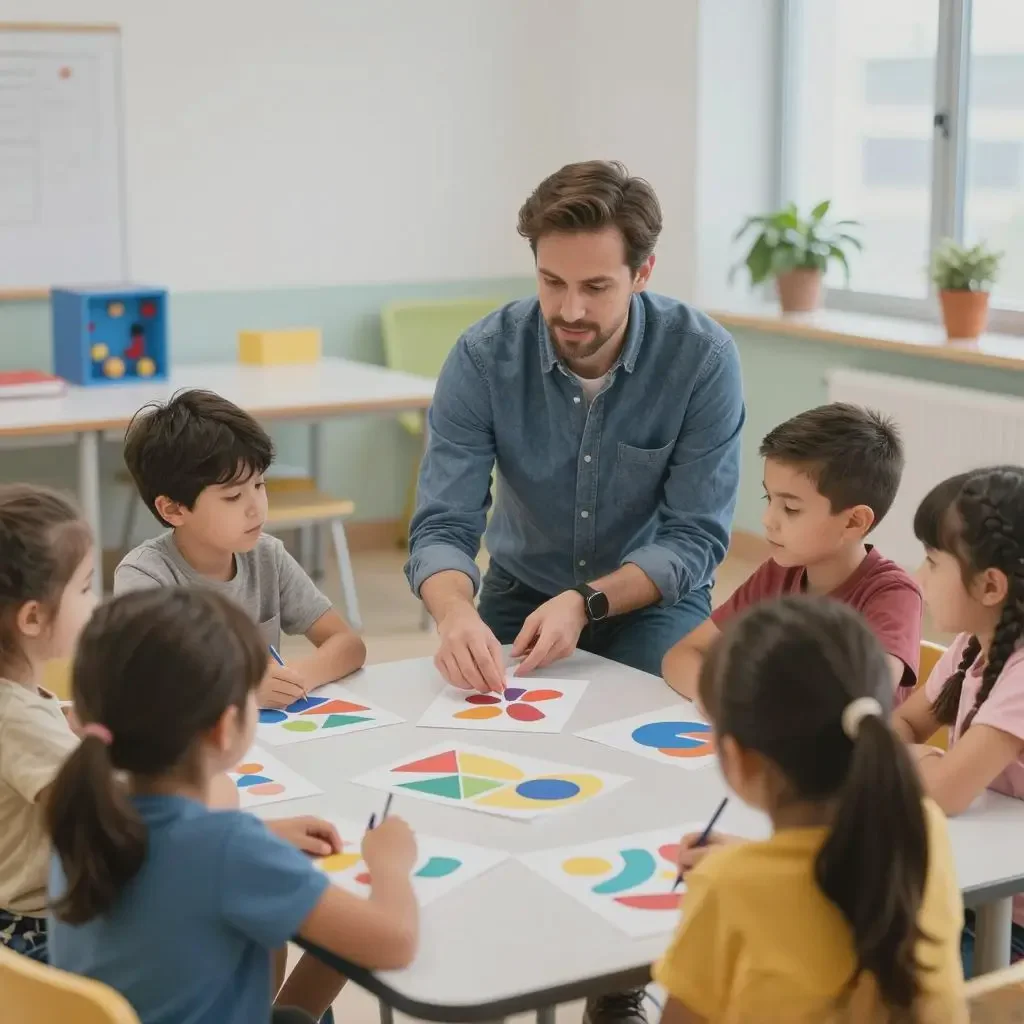
In an ov ecarbersaturated market where almost every product claims to be "STEM-approved" or "educational," the term has lost much of its original weight. For discerning parents and educators, a toy is no longer just a way to pass the time; it is a critical investment in a child's cognitive architecture. To stand out, toy brands must move beyond flashy aesthetics and embrace evidenyalp dce-based play, a rigorous design philosophy that uses neurological research and pedagogical expertise to ensure every toy delivers a measurable developmental benefit.
Evidence-based play is the practice of designing toys based on established child development theories, such as neuroplasticity and instructional scaffolding. By partnering with educators and child psychologists, brands can create products that move beyond passive entertainment to foster active skill acquisition, such as improved executive function, spatial reasoning, and social-emotional intelligence.
Bridging the gap between the toy factory and the classroom requires more than just good intentions. It demands a structured approach to collaborative design. Below, we explore the essential pillars of creating toys that are as effective as they are engaging.
What Defines the Science of Learning Through Play?
At its core, evidence-based play is rooted in the "Five Pillars of Learning." Research suggests that children learn best when an activity is joyful, actively engaging, iterative, socially interactive, and meaningful. A toy designed without these pillars may look educational, but fails to trigger the neural pathways necessary for long-term retention.
The Strategy: Focus on "Active Discovery" rather than "Passive Consumption." An evidence-based toy doesn't do the work for the child (like a battery-operated toy that talks); instead, it requires the child to do the work, promoting critical thinking and agency.
To dive deeper, consider the concept of Scaffolding. This pedagogical technique involves providing a toy that is challenging enough to encourage growth but simple enough to prevent frustration. By designing toys with "levels" of play—where the complexity increases as the child’s skill improves—you ensure the product remains developmentally relevant for years rather than weeks.
How Do Educators Help Translate Curriculum into Tactile Tools?
Educators spend thousands of hours observing how children interact with physical objects. When designers partner with teachers, they can translate abstract curriculum goals—like early literacy or algebraic thinking—into tactile, "hands-on" experiences that make sense to a developing mind.
The Strategy: Use Pedagogical Frameworks like Montessori or Waldorf as a foundation, but modernize them with current neuroscientific findings. This ensures your products align with what children are already learning in school, making them an easy choice for parents looking to supplement formal education.
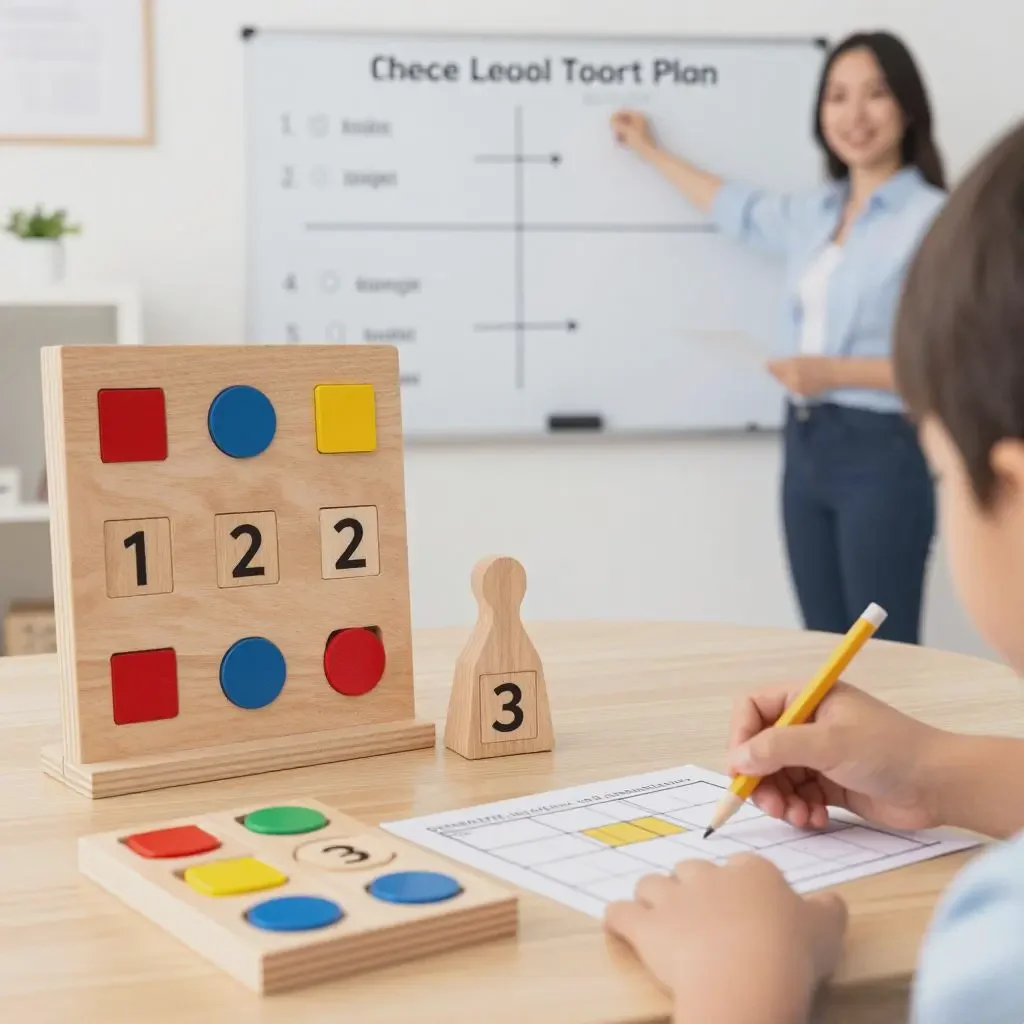
Diving deeper into this collaboration, designers should focus on "Error Correction" features. In many educational philosophies, a toy is most effective when it provides immediate, non-judgmental feedback—for example, a puzzle piece that only fits when the logic is correct. Educators can help designers identify these "control of error" opportunities to build confidence and independence in young learners.
Does Real-World Classroom Testing Improve Product Longevity?
No amount of laboratory testing can replicate the chaos and creativity of a real classroom. Working with educators allows brands to conduct "pilot programs" where prototypes are put to the ultimate test by the toughest critics: the children themselves.
The Strategy: Implement Iterative Prototyping based on teacher feedback. Educators can identify if a toy is too fragile, if the instructions are confusing, or if the "play value" drops off after the first ten minutes.
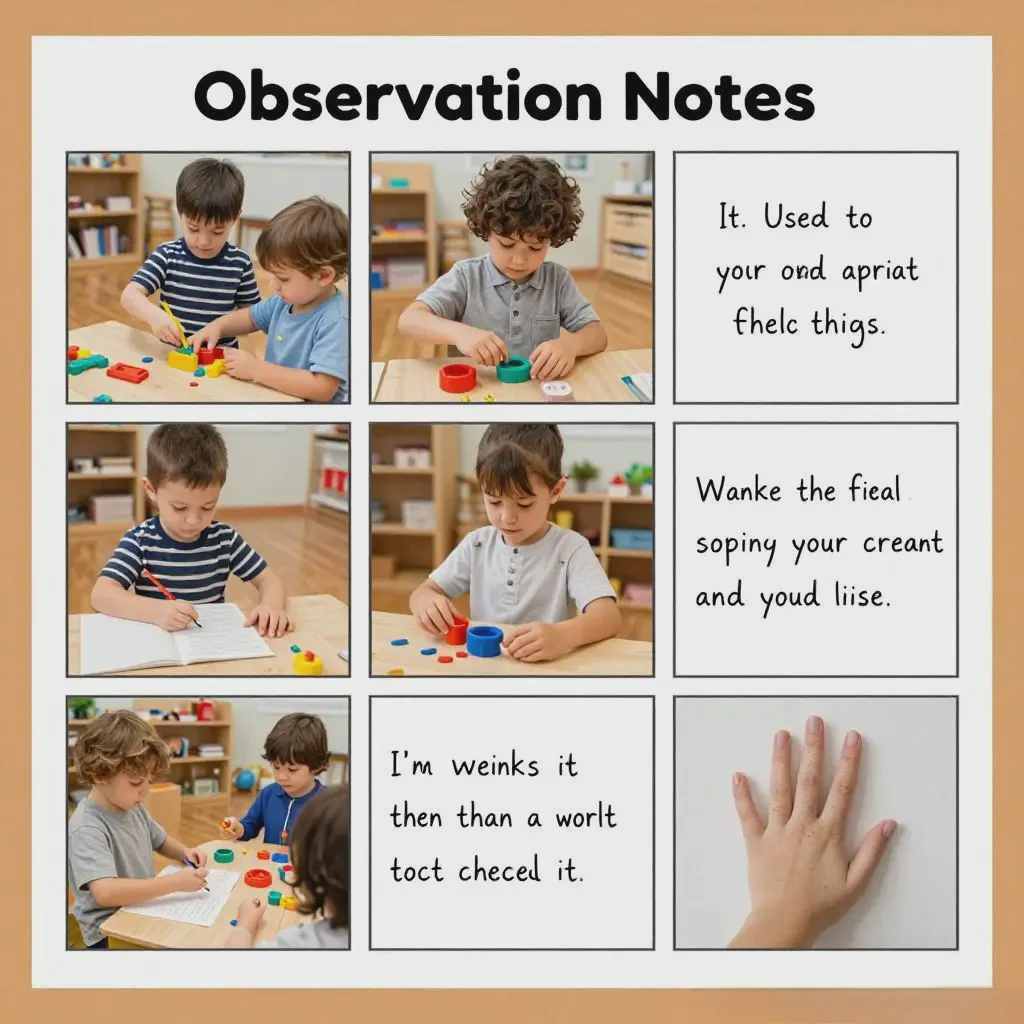
This process does more than just fix bugs; it uncovers "Emergent Play." Often, children will use a toy in a way the designer never intended. Educators can help capture these moments, allowing the brand to refine the toy to support these natural developmental urges, leading to a much higher "play-per-dollar" value for the end consumer.
Can Data and Observation Prove a Toy’s Educational ROI?
Modern parents are data-driven. They want to know that their purchase is actually working. By utilizing observational studies conducted by educational partners, a brand can provide concrete evidence of a toy’s impact on specific milestones.
The Strategy: Move from "Vague Claims" to "Evidence-Based Outcomes." Instead of saying a toy "helps with math," use data to show it "improves subitizing skills and number sense in 85% of tested children within four weeks."
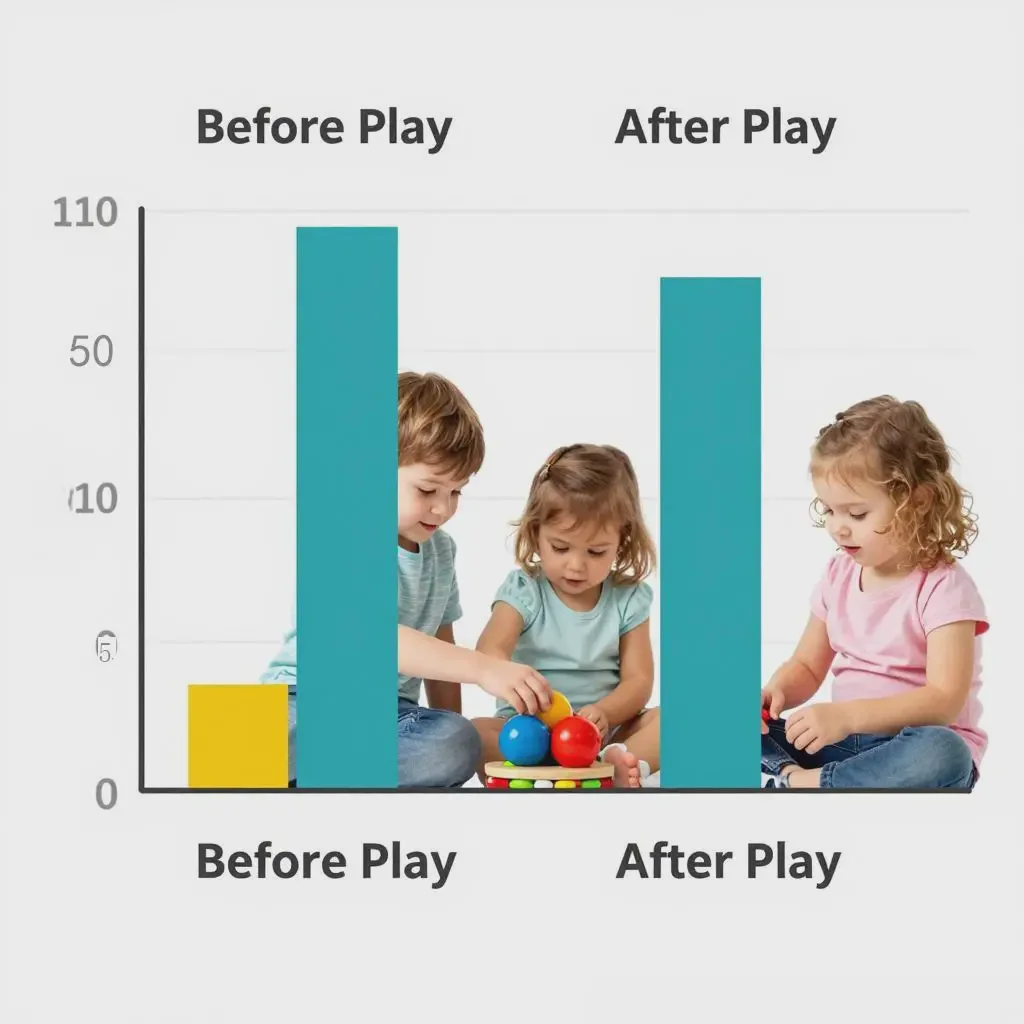
To dive deeper, brands can offer Progress Tracking tools for parents. Whether it’s a physical checklist or a companion app, providing a way for parents to observe their child’s progress—validated by the same metrics teachers use—turns the toy into a serious educational resource. This transparency builds a level of brand trust that "generic" toy competitors can never achieve.
Conclusion
True innovation in the toy industry isn't about more lights or faster motors; it’s about a deeper understanding of the human brain. By adopting an evidence-based play model and co-creating with educators, you move your brand out of the commodity market and into the "essential development" market. Designing with purpose ensures that your toys don't just fill a toy box—they help build a future.
Recommended External Resources: