Beyond the Price Tag: How Can Your Toy Brand Win Without Slashing Margins?
Beyond?snigra the Price Tag: How Can Your Toy Brand Win Without Slashing Margins?
Th".htrow se toy industry is currently locked in a fierce "race to the bottom," driven by ultra-low-cost manufacturing and aggressive e-commerce discounting. For brands focused on quality, this environment feels like a trap—if you drop your prices to compete, you kill your margins; if you don't, you risk losing market share. However, the secret to survival isn't found in a discount code, but in shifting the customer’s focus from "what it costs" to "what it’s worth."
To compete effectively against low-price toys, brands must pivot toward value-based differentiation, focusing on safety, developmental benefits, and emotional resonance. By establishing "heirloom quality" and superior safety standards, you transform your product from a disposable commodity into a meaningful investment for a child’s future.
Moving away from price-centric selling requires a tactical overhaul of your brand narrative. The following sections will guide you through the transition from being "another toy on the shelf" to becoming a trusted partner in a child’s development.
Is Safety the Ultimate Competitive Advantage?
In an era of global supply chains, parents are increasingly anxious about the materials entering their homes. While low-price competitors often cut corners on testing to keep costs down, premium brands can win by making safety their loudest marketing message.
The Strategy: Transition from "compliance" to "transparency." Don't just meet the ASTM or EN71 standards; explain to your customers exactly why those standards matter and how your rigorous testing protects their children from toxins and hazards.

When a parent chooses a $40 toy over a $15 alternative, they are often buying peace of mind. Dive deeper into your material sourcing—highlight lead-free paints, BPA-free plastics, or sustainably harvested wood. By documenting your Quality Assurance (QA) process through videos or "behind-the-scenes" content, you justify the price gap by positioning the cheaper alternative as a potential risk.
Can Educational Milestones Justify a Premium Price?
A toy is rarely just a toy to a modern parent; it is a developmental tool. By aligning your product with specific cognitive or motor milestones, you move the purchase from the "entertainment" budget to the "education" budget.
The Strategy: Sell the outcome, not the object. Instead of marketing "wooden blocks," market "spatial reasoning and fine motor skill development." This shifts the conversation toward the long-term value the toy provides to the child's growth.
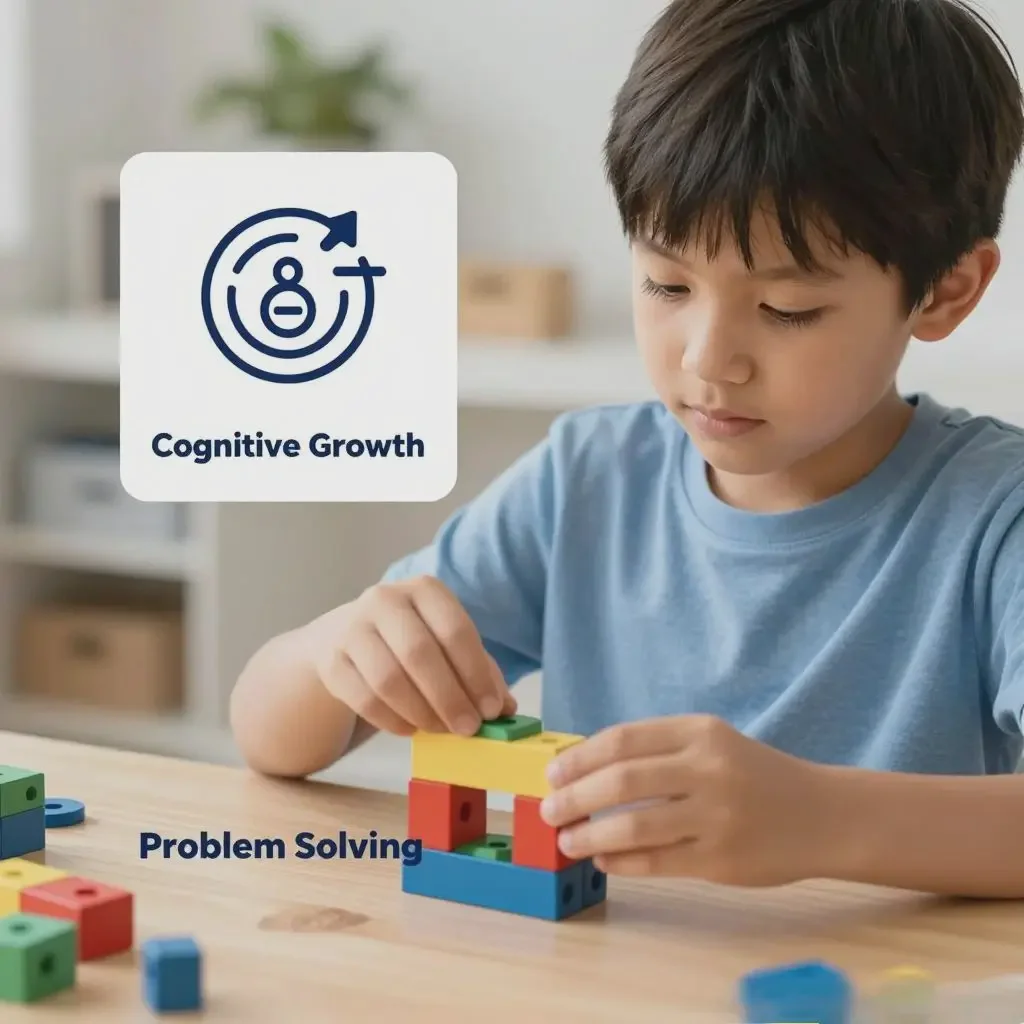
To truly dominate this space, collaborate with child psychologists or educators to validate your designs. When you provide a "Parent Guide" or "Activity Syllabus" with the toy, you are providing a service that low-cost competitors cannot replicate. This perceived value makes the price point secondary to the developmental ROI (Return on Investment) the parent perceives.
Does "Heirloom Quality" Still Matter in a Disposable Culture?
The "fast toy" movement has led to overflowing landfills and broken plastic. There is a growing counter-movement of "slow play" where parents prefer to buy one high-quality item that lasts for years rather than five cheap ones that break in a week.
The Strategy: Emphasize the "Cost-Per-Play" metric. Educate your audience on the durability of your materials, showing that while the upfront cost is higher, the longevity of the product makes it more economical and environmentally friendly over time.
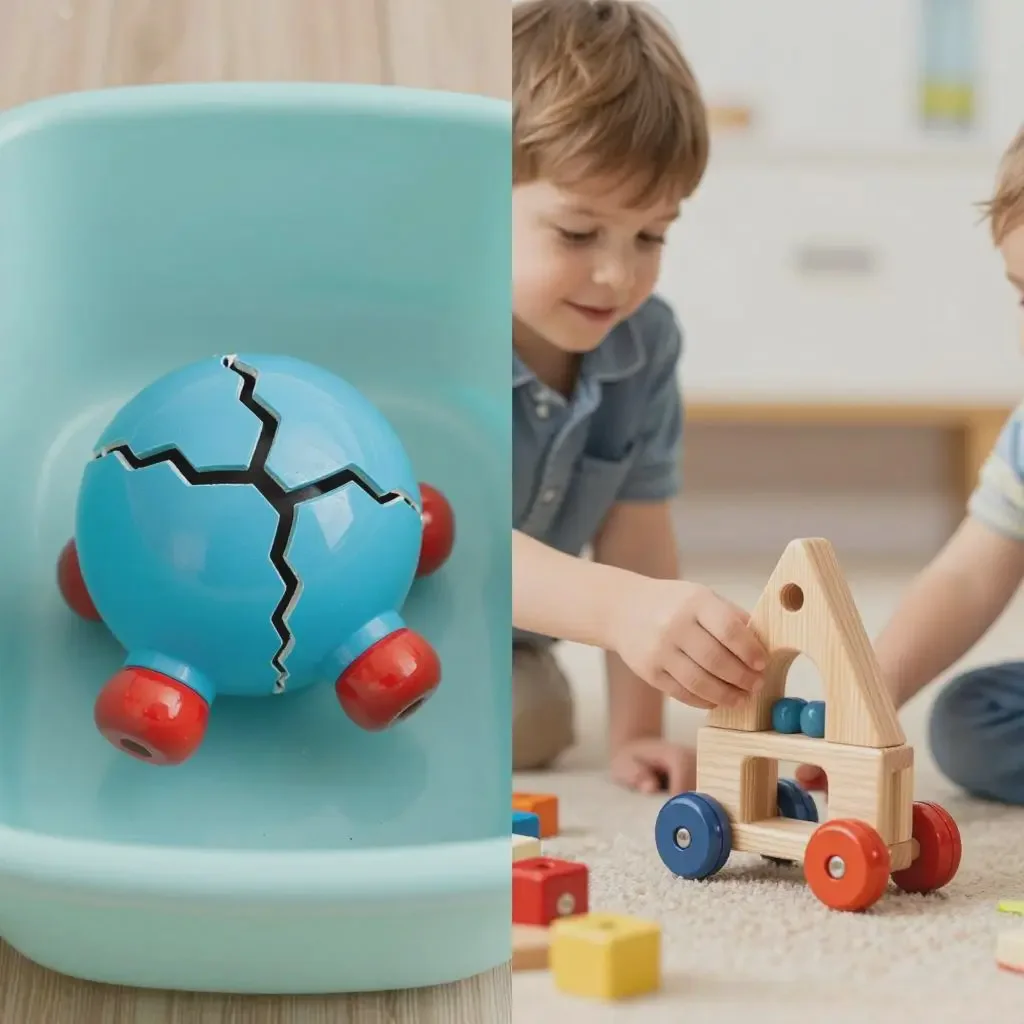
Diving deeper into sustainability is key here. Highlighting a "cradle-to-grave" approach—where toys are made from renewable resources and designed to be passed down to younger siblings—appeals to the eco-conscious Gen Z and Millennial parent. This "Heirloom" status builds a brand legacy that discount brands, built on high volume and low durability, simply cannot touch.
How Does Brand Storytelling Kill the Commodity Mindset?
If a customer views your product as a commodity, they will always choose the cheapest version. Storytelling is the "secret sauce" that adds an emotional layer to the product, making it unique and irreplaceable in the eyes of the consumer.
The Strategy: Build a community, not just a customer base. Use your marketing to share the "why" behind your brand—your mission, your founders' story, and the artisans who craft the toys. People don't buy what you do; they buy why you do it.
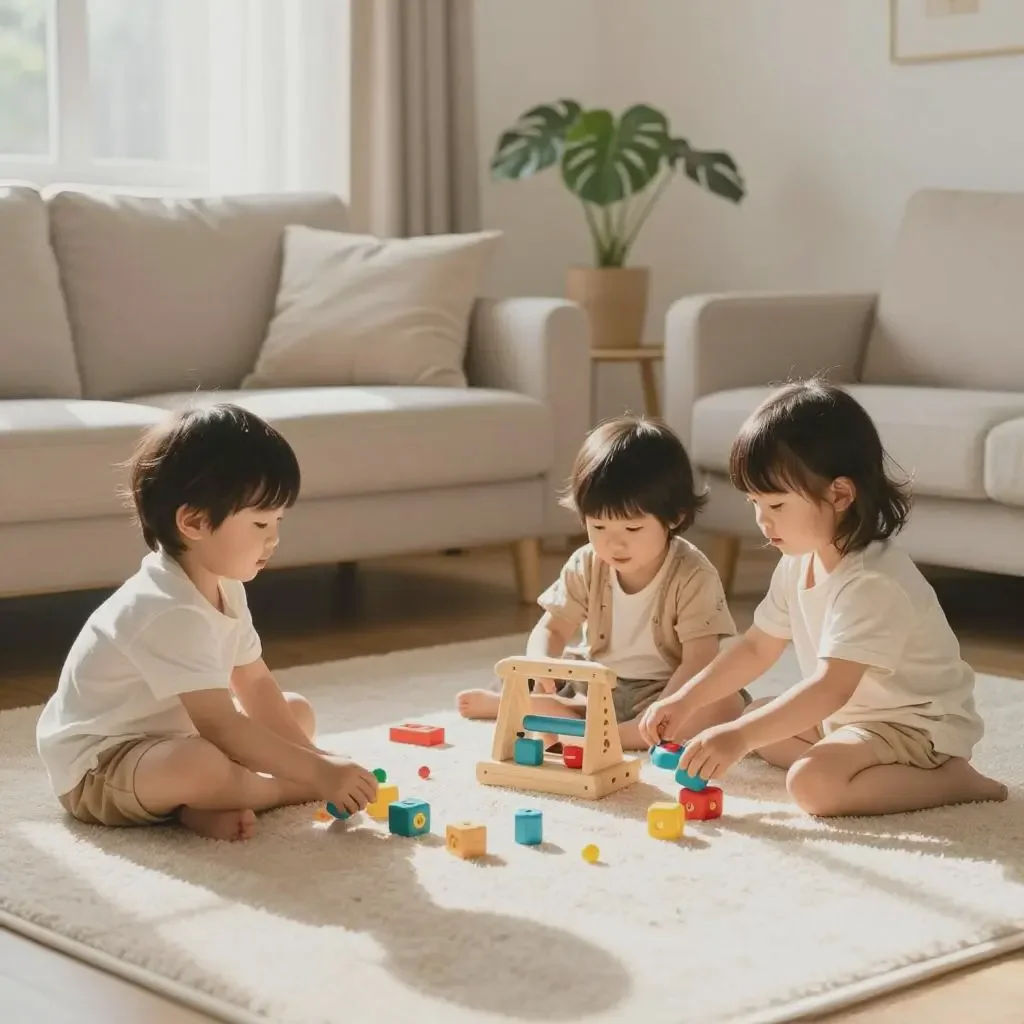
To dive deeper, leverage User-Generated Content (UGC). When prospective buyers see real families creating memories with your products, they develop an emotional aspiration. Low-price competitors on platforms like Amazon or Temu lack a "soul"; by infusing your brand with personality and a clear mission, you create a loyal following that is willing to pay more to be part of your brand's world.
Conclusion
Competing with low-price toys is not about winning a price war; it’s about refusing to fight one. By doubling down on safety transparency, developmental value, durability, and emotional storytelling, you create a value proposition that makes "cheap" look expensive. Parents are willing to pay for what they value—give them a reason to value your brand above the noise.
Recommended External Resources: