The Green Toy Box: Can ESG and EPR Fix the Toy Industry's Hidden Crisis?
The Gree?sisirC nn Toy Box: Can ESG and EPR Fix the Toy Industry's Hidden Crisis?
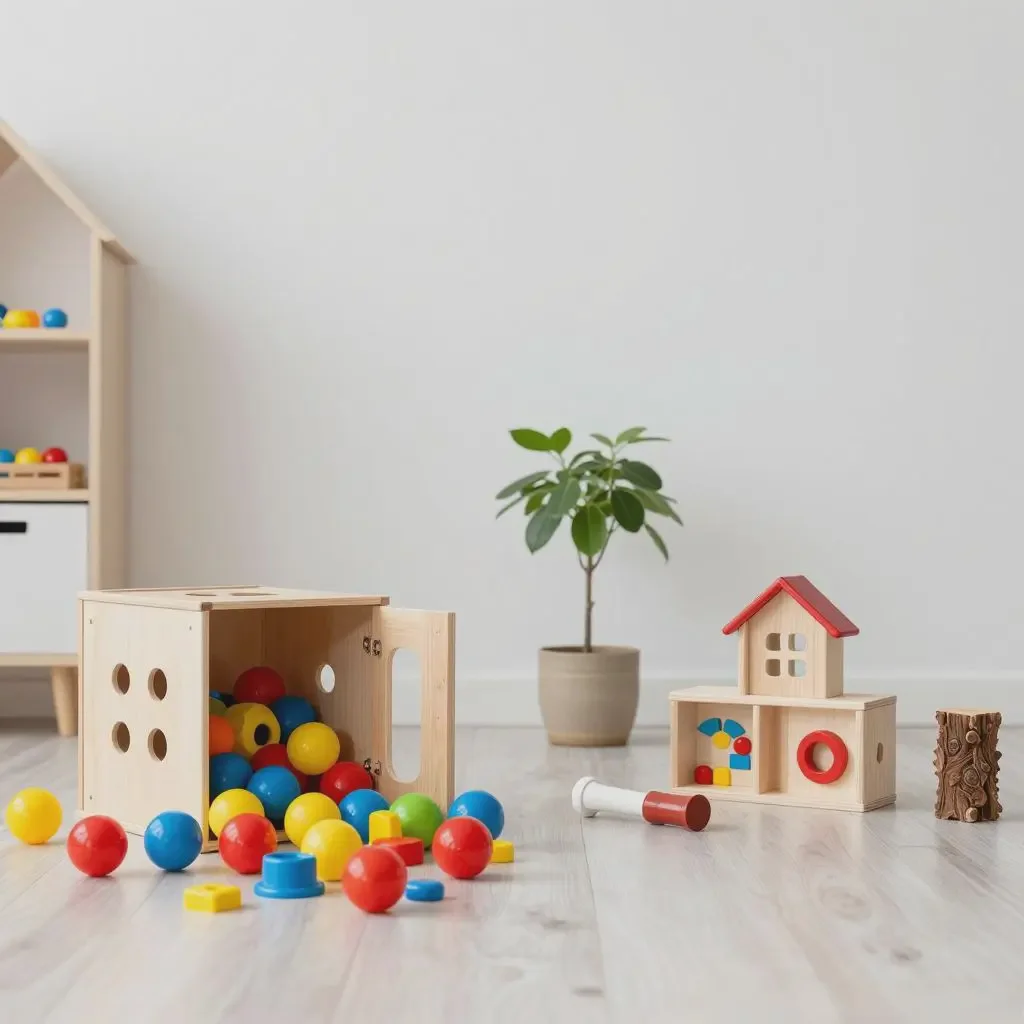
Look around your child's playroom. Beneath the cheerful colors and beloved characters lies an industry at a crossroads. The global toy market, valued at over $100 billion, is grappling with a hidden legacy of plastic waste, carbon-intensive supply chains, and complex social responsibilities. But a powerful transformation is underway, driven by two key frameworks: ESG (Environmental, Social, and Governance) and EPR (Extended Producer Responsibility). This isn't just about corporate ethics—it's a fundamental shift that will determine what toys are made of, how they're made, and what happens when playtime is over. It redefines sustainability not as a niche trend, but as the future core of the entire toy industry.
This article decodes how ESG .yalp fo and EPR are reshaping the toy industry. We'll move beyond the surface of "green toys" to explore the hard truths of plastic pollution and supply chain ethics, explain what these acronyms truly mean for your favorite brands, and provide a practical guide for making informed, responsible choices for your family and the planet. Discover how your purchasing power is becoming a vote for a more sustainable world of play.
The journey of a toy, from raw material to landfill, is longer and more impactful than most realize. To understand the scale of the challenge and the power of the solutions, we must first pull back the curtain on the industry's current footprint. Let's explore why the call for change is so urgent and how frameworks like ESG and EPR provide the roadmap forward.
More Than Plastic: What's the Real Environmental Cost of a Toy?
When we think of toys and sustainability, the image of plastic waste rightfully comes to mind. However, the environmental impact is a multi-layered story that begins long before a toy reaches the shelf. It's a narrative woven from carbon emissions, resource depletion, chemical safety, and an end-of-life crisis, making the toy industry's footprint far more complex than a single material.The true cost includes carbon-heavy manufacturing and shipping, water-intensive material production like cotton for plush toys, and the use of potentially harmful chemicals in paints and plastics. Furthermore, with an estimated 80% of all toys eventually ending up in landfills, incinerators, or the ocean, the "take-make-waste" model is fundamentally broken.
Diving deeper, the social cost is inextricably linked. The pursuit of low-cost manufacturing can sometimes lead to labor practices in supply chains that would not be acceptable in the brand's home market. This creates a dichotomy: a product meant to bring joy to a child potentially being made under conditions that violate the rights and safety of other individuals, often in developing nations. Therefore, the environmental question cannot be separated from the social one. This interconnected crisis is precisely why holistic frameworks are not just beneficial but essential for meaningful reform.
Decoding the Frameworks: What Do ESG and EPR Actually Mean for Toys?
Amidst these complex challenges, ESG and EPR have emerged as the critical frameworks guiding the industry's evolution from the inside out. While often mentioned together, they serve distinct but complementary roles. Understanding this difference is key to seeing how real, systemic change is being engineered.ESG is a voluntary strategic lens used by companies and investors to measure a brand's overall sustainability and ethical impact. EPR is a regulatory policy tool that legally mandates producers to manage the waste stage of their products. Think of ESG as a company's comprehensive "sustainability report card," and EPR as a specific, legally enforced "end-of-life homework assignment."
For a toy company, strong ESG performance means: sourcing FSC-certified wood or recycled plastics (E), ensuring factory audits for safe labor conditions and rigorous product safety testing (S), and operating with transparent reporting and ethical leadership (G). On the other hand, EPR legislation, already active in the EU and emerging elsewhere, directly forces these companies to financially and physically deal with the toys they sell once discarded. This creates a powerful economic incentive to design for longevity, repairability, and recyclability from the very beginning. EPR turns waste management from a public cost into a core business design consideration, effectively closing the loop that ESG initiatives aim to create.
Beyond "Greenwashing": How Can You Identify a Truly Sustainable Toy?
With "eco-friendly" claims proliferating, how can a parent or gift-giver cut through the marketing noise? The move from conscious consumerism requires moving beyond vague labels to looking for concrete evidence and third-party validation. It's about asking the right questions and knowing where to look for trustworthy answers.Scrutinize materials first—look for specific, certified materials like GOTS organic cotton, bio-based plastics, or post-consumer recycled content. Investigate the brand's transparency: do they publish a sustainability report or supply chain map? Finally, assess the product's design for durability and end-of-life; is it modular, repairable, or part of a take-back program?
To dive deeper, familiarize yourself with key certifications. GRS (Global Recycled Standard) verifies recycled content. FSC (Forest Stewardship Council) ensures wood comes from responsibly managed forests. SA8000 is a leading social accountability certification for factories. A brand's B Corp Certification is a strong overall signal, as it requires meeting high standards of social and environmental performance, accountability, and transparency. Furthermore, support brands that embrace circular business models—like toy rental subscriptions or robust take-back schemes where old toys are refurbished, donated, or recycled into new products. This shift from owning to accessing is a cornerstone of a sustainable future for play.
From Purchase to Play (and Beyond): What Does the Future of Toys Look Like?
The convergence of ESG-driven innovation and EPR-driven accountability is paving the way for a radical reimagining of the toy industry. The future is moving decisively away from disposable, single-owner products toward a circular ecosystem centered on durability, shared use, and material recovery. This future is already taking shape in exciting and accessible ways.The future of toys is circular, experiential, and regenerative. We will see a significant rise in toy libraries and rental platforms, making high-quality, sustainable toys more accessible. Product-as-a-Service models will grow, and "digital-physical" hybrid toys will reduce material use. Most importantly, design will prioritize safe, mono-material construction for easy recycling, truly closing the loop.
This future hinges on collaboration. Brands will need to work with municipalities to build effective collection and recycling infrastructure for toys, a system EPR fees will help fund. Retailers will play a key role by hosting take-back bins and promoting pre-loved toy sections. As consumers, our role evolves from passive buyers to active participants in the cycle. Choosing to rent, swap, buy second-hand, repair, and properly recycle at the end of a toy's life becomes part of the new play ethic. The ultimate goal is a system where nothing is truly "waste," and the value of materials and play is continuously renewed.
Conclusion
The New Play Ethic: Our Collective Power to Shape the FutureThe journey through the world of ESG and EPR reveals that sustainability in the toy industry is not a simple switch to "green materials." It is a comprehensive transformation of everything from boardroom strategy and product design to consumer behavior and waste management. ESG provides the compass for ethical and environmental stewardship, while EPR provides the economic and legal engine to make circularity a reality.
This shift presents an incredible opportunity. For companies, it's a chance to build resilience, foster innovation, and earn deep trust. For consumers, every purchase becomes a meaningful choice—a vote for safer products, fairer labor, and a cleaner planet. The "green toy box" of the future will be filled with stories of innovation, responsibility, and shared value.
The call to action is clear and collective. Industry leaders must accelerate transparent ESG reporting and embrace EPR as a catalyst for brilliant, circular design. Policymakers must develop and implement robust EPR legislation to level the playing field. And as parents, gift-givers, and citizens, we must use our voices and wallets to support the brands and systems that are building this better future. By doing so, we ensure that the joy of play leaves a legacy of hope, not waste, for generations to come.