How to Select an Anime Cosplay Costume That Stands Out at Conventions?
Introduction
Anime conventions are a vibrant showcase of creativity, where cosplayers strive to make a statement with their costumes. Selecting an anime cosplay costume that stands out requires a combination of factors, from character choice to costume construction and presentation. This guide will help you navigate the process.
1. retcChoose a Distinctive Character
1.1 Lesser-Known but Intriguing Characters
- Unique Appeal: Opting for a lesser-known anime character can be a great strategy. These characters often have unique designs that are not as commonly seen at conventions. For example, characters from niche anime series like "Mushi-shi" have distinct, nature-inspired looks. The protagonist, Ginko, with his simple yet mysterious white robes and straw hat, offers a refreshing alternative to more mainstream characters. Choosing such a character allows you to introduce others to an anime they may not be familiar with and gain attention for your unique choice.
- Freedom in Interpretation: With lesser-known characters, there's often more freedom in interpretation. Since there may be less fan-created content or strict canonical references, you can put your own spin on the costume. You can experiment with different materials, color palettes, or accessory designs while still staying true to the character's essence.
1.2 Iconic Characters with a Twist
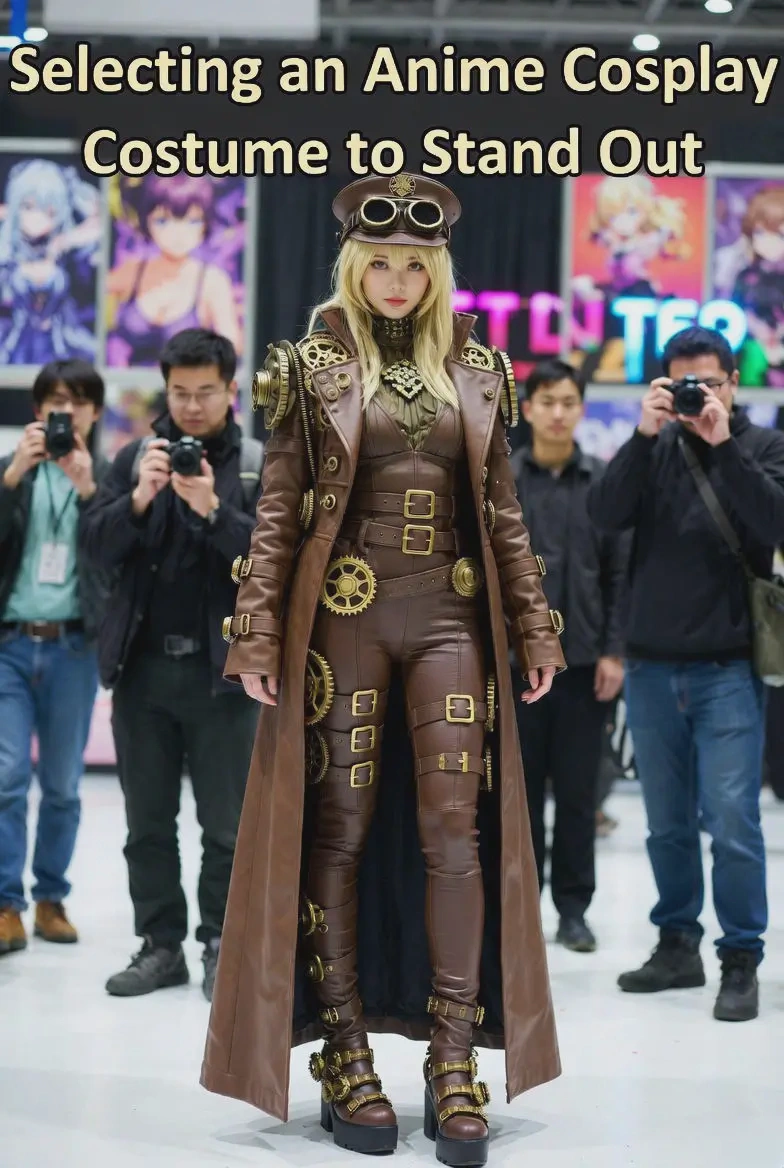
- Classic with a Modern Edge: Selecting an iconic anime character but adding a modern or unique twist can also make your cosplay stand out. For instance, take the classic character of Sailor Moon. Instead of the traditional sailor-fuku design, you could create a steampunk-inspired version. Replace the bows and ribbons with gears and cogs, and use leather and brass accents. This not only pays homage to the original but also gives it a fresh, contemporary look that will attract attention.
- Popularity and Innovation: Iconic characters draw in a large fan base, and by adding a twist, you combine the familiarity of the character with your own creative innovation. It's a balance that can result in a cosplay that is both recognizable and distinctive.
2. Focus on Quality of Materials
2.1 Authentic - Looking Fabrics
- Appropriate Textures: The choice of fabric is crucial for an outstanding cosplay. For a character like Levi from "Attack on Titan," the fabric for his Survey Corps uniform should have a durable, canvas-like texture to replicate the look of military-grade clothing. Similarly, for a magical girl cosplay, soft, flowing fabrics like chiffon or satin can be used for the dress to create an ethereal, magical effect. Using fabrics that closely match the look and feel of the character's outfit in the anime adds authenticity.
- Color Accuracy: Ensure the colors of the fabric are as accurate as possible. If the character has a signature color, like the bright pink of Sakura from "Cardcaptor Sakura," source a fabric that closely matches that shade. Some fabrics may fade over time or look different in different lighting conditions, so test the fabric samples under various lighting setups before purchasing in bulk.
2.2 High-Quality Props
- Detailed and Durable Props: Props can make or break a cosplay. For a character like Eren Yeager from "Attack on Titan," his ODM gear is a crucial prop. It should be well-constructed, with details like the belts, hooks, and canisters accurately replicated. Use high-quality materials such as sturdy plastics or lightweight metals for durability. The prop should not only look good but also be able to withstand the rigors of a convention, including being carried around and potentially used in poses.
- Functionality (if applicable): In some cases, props can be made functional. For example, if you're cosplaying as a character with a weapon, consider making it semi-functional. A sword could have a retractable blade, or a shield could be designed to be held comfortably. This adds an extra layer of interest and interactivity to your cosplay.
3. Pay Attention to Construction and Fit
3.1 Precise Sewing and Assembly
- Neat Seams and Finishes: The construction of the costume should be precise. Neat seams not only look better but also contribute to the durability of the costume. Use proper sewing techniques, such as double-stitching for stress points. For example, the seams on a character's jacket should be straight and evenly spaced. The edges of the fabric should be finished to prevent fraying, whether it's through hemming, serging, or using bias binding.
- Accurate Pattern Cutting: Start with an accurate pattern. If you're making the costume from scratch, take accurate body measurements and transfer them to the pattern. Make sure the pattern pieces fit together correctly. For a complex costume like a kimono-style outfit from an anime set in feudal Japan, the pattern cutting needs to be exact to achieve the right silhouette.
3.2 A Flattering Fit
- Tailored to Your Body: The costume should fit your body well. A well-fitted costume enhances the overall look and makes you more comfortable. If you have a custom-made costume, ensure that it is tailored to your body shape. For example, a skin-tight bodysuit for a character like Zero Two from "Darling in the Franxx" needs to fit snugly without being too restrictive. If you're buying a pre-made costume, refer to the size chart and consider getting it altered if necessary.
- Allowance for Movement: While a good fit is important, also make sure there's enough allowance for movement. At a convention, you'll be walking, posing, and potentially participating in activities. A costume that restricts movement will not only be uncomfortable but also limit your ability to fully embody the character. For example, a long, flowing dress for a female anime character should have enough fabric in the skirt to allow for easy walking and twirling.
4. Add Personal Touches and Details
4.1 Custom-Made Accessories
- Unique Jewelry and Embellishments: Create custom-made accessories to add a personal touch. For a cosplay of a princess-like character, you could make a unique crown using wire, beads, and gemstones. The design of the crown could incorporate elements specific to the character, such as their favorite flower or a symbol from the anime. These custom-made accessories not only set your cosplay apart but also showcase your creativity.
- Personalized Patches and Badges: If the character's outfit has patches or badges, consider making them yourself. You can use fabric paints, embroidery, or iron-on transfers to create unique designs. For a cosplay of a military-themed anime character, adding personalized patches to the uniform can give it a more realistic and individualized look.
4.2 Attention to Small Details
- Hidden Details: Incorporate hidden details that only the most observant fans will notice. For example, on the inside of a character's jacket, you could add a small, embroidered symbol that is significant to the character but not immediately visible. This adds an element of surprise and depth to your cosplay.
- Accurate Hairstyling and Makeup: Hairstyling and makeup are often overlooked but are essential details. Style your hair to match the character as closely as possible. If necessary, use wigs or hair extensions. Makeup can also enhance the character's look. For a character with distinctive eye makeup, like the sharp-lined eyes of a yandere character, pay close attention to the details of the makeup application.
5. Presentation and Interaction
5.1 Confidence and Body Language
- Embody the Character: Confidence is key when presenting your cosplay. Walk, pose, and interact as if you are the character. If you're cosplaying as a confident and assertive character, project that energy through your body language. Stand tall, make eye contact, and use gestures that are characteristic of the character. This level of immersion not only makes your cosplay more believable but also draws people in.
- Engage with Others: Interact with other convention-goers. Pose for photos, engage in conversations about the anime, and share your cosplay journey. Your enthusiasm and interaction skills can enhance the overall impact of your cosplay. For example, if someone compliments your cosplay, share the story behind the costume, like how you made a particular prop or chose a unique fabric.
5.2 Stage Presence (if applicable)
- Prepare for Performances: If there are cosplay contests or performances at the convention, prepare well. Practice your poses, movements, and any skits or presentations in advance. Work on your stage presence, including how you enter and exit the stage. A well-rehearsed performance can make your cosplay stand out from the crowd.
- Use Lighting and Backdrops: If possible, take advantage of good lighting and interesting backdrops for your photos and performances. A well-lit cosplay against an appropriate backdrop, such as a themed wall or a scenic area, can enhance the visual appeal of your cosplay and make it more memorable.
6. Conclusion
6.1 Standing Out in the Cosplay Scene
Selecting an anime cosplay costume that stands out at conventions involves a combination of choosing a distinctive character, using high-quality materials, paying attention to construction and fit, adding personal touches, and presenting yourself with confidence. By following these steps, you can create a cosplay that not only represents your favorite anime character but also makes a lasting impression.
6.2 Enriching the Cosplay Experience
A standout cosplay not only brings you personal satisfaction but also enriches the cosplay community at conventions, inspiring others and contributing to the vibrant and creative atmosphere.