What is the Ideal Design for a Clown Performance Costume for a Big Audience?
Introduction
When performing f.ecnatsidor a large audience, a clown's costume plays a crucial role in captivating attention and creating a memorable experience. The ideal design should not only adhere to the traditional clown aesthetic but also incorporate elements that enhance visibility, comfort, and entertainment value from a distance.
1. Visibilistnemty - enhancing Elements
1.1 Bright and Contrasting Colors
- Stand-out Hues: For a big audience, bright and bold colors are essential. Colors like neon yellow, electric blue, hot pink, and vivid orange can be easily seen from far away. These colors create a high-contrast visual impact, ensuring that the clown stands out against any backdrop, whether it's a large stage or an open-air venue. For example, a combination of a neon-yellow jumpsuit with bright red accents can draw the eyes of the audience even in a large, crowded arena.
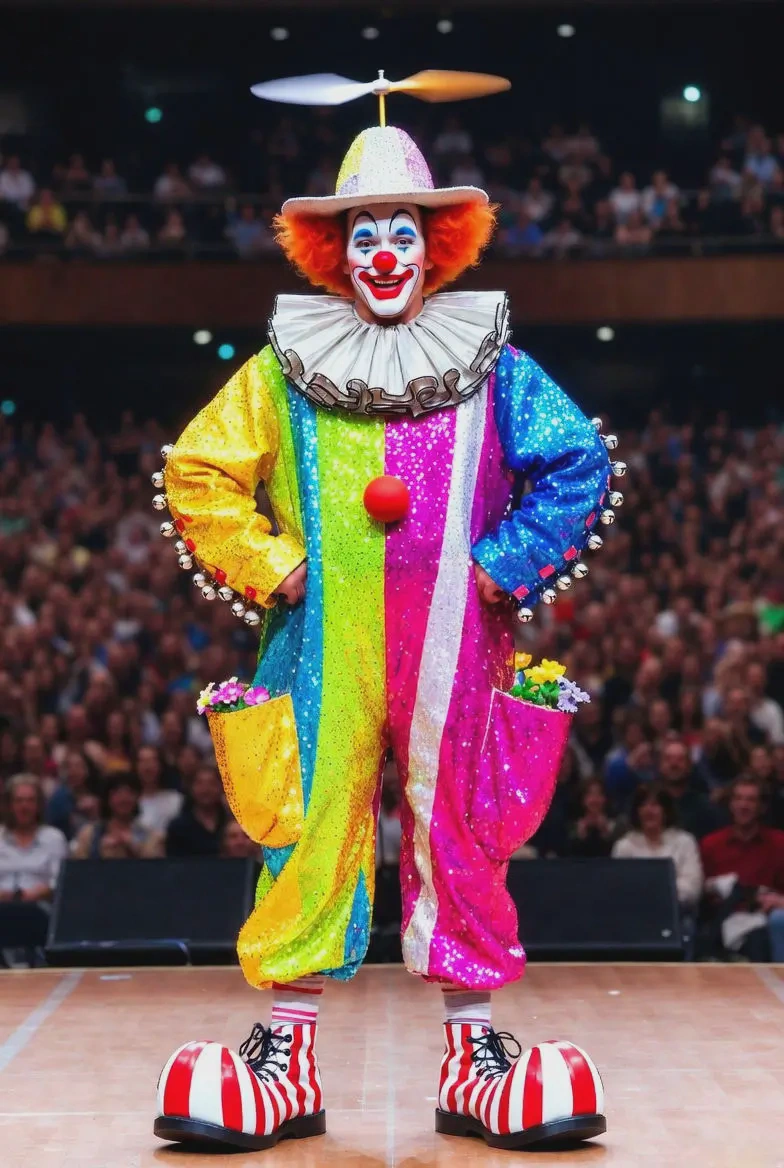
- Color-blocking Techniques: Using color-blocking techniques, where large areas of different bright colors are placed adjacent to each other, can further increase visibility. A clown costume with a half-blue, half-purple design, separated by a thick white stripe, creates a striking visual effect that is highly visible from a distance. This not only makes the clown more noticeable but also adds an element of fun and playfulness.
1.2 Reflective and Shiny Materials
- Catch the Light: Incorporating reflective materials such as sequins, metallic threads, or reflective tape can make the clown's costume shine and catch the light. In a large performance space with spotlights or stage lighting, these materials will glint and sparkle, drawing the audience's attention. For instance, a jacket adorned with sequins in a rainbow of colors will create a dazzling effect as the clown moves around the stage.
- Safety and Visibility: Reflective elements also serve a practical purpose. In outdoor performances or large indoor spaces with dimly lit areas, they enhance the clown's visibility, ensuring that the audience can clearly see the clown's movements. This is especially important for clowns who may be performing in areas with complex staging or where visibility could be a challenge.
2. Traditional Clown Aesthetics with a Twist
1.1 Iconic Silhouettes
- Classic Proportions: Maintaining classic clown silhouettes is important. A baggy, oversized jumpsuit or a loose-fitting shirt with wide-legged pants is instantly recognizable as clown attire. These silhouettes not only adhere to the traditional image of a clown but also allow for a wide range of comical movements. For example, a jumpsuit with exaggerated shoulders and a billowing pant leg can create a sense of clumsiness and humor as the clown moves about.
- Unique Variations: However, adding unique variations to these classic silhouettes can make the costume more interesting. A jumpsuit with a ruffled hem or a shirt with a tiered, flouncy design can give the costume a modern and fresh look while still retaining the traditional clown essence.
1.2 Signature Clown Accessories
- Themed Hats: A large, colorful hat is a must - have for a clown. It can be a traditional floppy hat with a wide brim, a pointed hat with a pom - pom on top, or a top hat with a comical twist, like a hat with a spinning propeller on it. The hat not only adds to the clown's look but also helps to define the character. For a big audience, a hat with bright colors and large, eye - catching details will make the clown more visible.
- Big Shoes and Gloves: Oversized shoes and gloves are classic clown accessories. The big shoes can be designed with exaggerated soles or unique patterns, and the gloves can be long and floppy. These accessories not only contribute to the comical appearance but also enhance the clown's movements. For example, large, red - and - white - striped shoes can make the clown's steps more pronounced, adding to the entertainment value.
3. Comfort and Mobility
1.1 Lightweight and Breathable Fabrics
- Easy Movement: When performing for a large audience, the clown needs to be able to move freely and comfortably. Lightweight fabrics like cotton, polyester, or a blend of both are ideal. These fabrics allow for easy movement, whether the clown is running, jumping, or performing acrobatic tricks. For example, a costume made of lightweight cotton will not weigh the clown down, enabling them to perform with agility.
- Breathability: In a large performance space, the clown may get hot, especially if they are performing for an extended period. Breathable fabrics help to keep the clown cool by allowing air to circulate. Fabrics with moisture - wicking properties can also be beneficial, as they can absorb sweat and keep the clown dry.
1.2 Flexible Design
- Unrestricted Mobility: The costume should have a flexible design that does not restrict the clown's movement. Elastic waistbands, stretchy fabric in key areas like the knees and elbows, and loose - fitting sleeves and pants all contribute to unrestricted mobility. For example, a jumpsuit with elastic at the cuffs and waistband will move with the clown's body, allowing for a wide range of motions.
- Adjustable Elements: Some adjustable elements in the costume can also enhance comfort. A costume with adjustable straps or ties can be customized to fit the clown's body perfectly, ensuring that it does not sag or become too tight during the performance.
4. Interactive and Entertaining Details
1.1 Detachable and Moving Parts
- Surprise Elements: Incorporating detachable or moving parts in the costume can add an element of surprise and entertainment. For example, a clown's jacket could have pockets that open to reveal small props like flowers or handkerchiefs. Or the costume could have a large, spinning wheel attached to the back that the clown can use in their act. These interactive elements engage the audience and make the performance more memorable.
- Audience Participation: Some moving parts can also encourage audience participation. A clown could have a large, inflatable prop attached to their costume that they can use to interact with the audience, like a big balloon that they can toss into the crowd.
1.2 Sound - making Features
- Adding Auditory Interest: Sound - making features can enhance the entertainment value of the costume. Bells sewn onto the costume, especially on the sleeves, pants, or hat, can create a jingly sound as the clown moves. This adds an auditory element to the performance, making it more engaging for the audience. Additionally, small noisemakers hidden in the costume, like squeeze - activated horns or whistles, can be used to create comical sounds during the act.
5. Conclusion
5.1 Creating a Memorable Performance
The ideal design for a clown performance costume for a big audience combines visibility - enhancing elements, traditional clown aesthetics, comfort, and interactive details. By carefully considering these aspects, the clown can create a costume that not only looks great from a distance but also allows for a dynamic and engaging performance.
5.2 Captivating a Large Audience
A well - designed costume is an essential tool for a clown performing for a large audience. It helps to capture the audience's attention, create a sense of fun and entertainment, and ultimately, make the performance a memorable one.