How to Pick a Halloween Child's Performance Costume That's Fun to Wear?
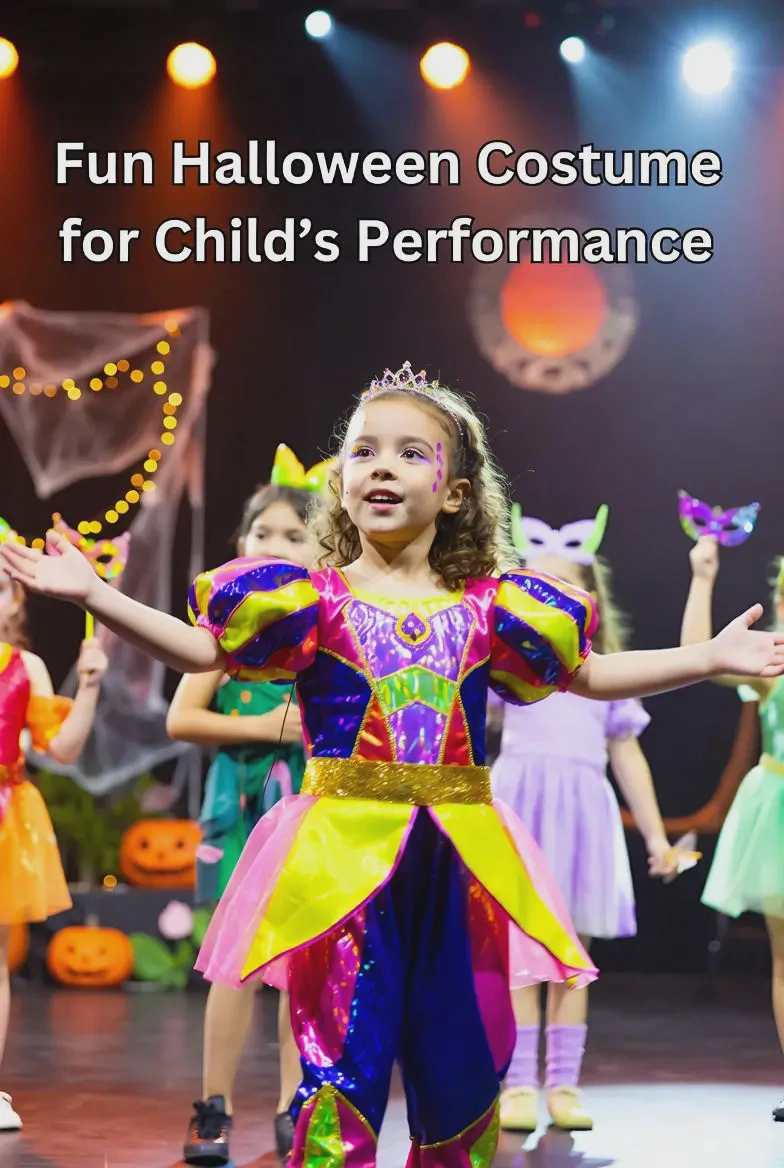
Selecting a Halloween costume for a child's performance is an exciting task. The right costume not only needs to fit the spooky or festive theme but also be enjoyable for the child to wear during their performance. Here are some key considerations to help you make the perfect choice.
1. Consider the Child's Interests
Favorite Characters and Themes
- Pop-Culture Inspirations: Think about the child's favorite movies, TV shows, video games, or books. If they're a fan of superheroes, a Spider-Man or Wonder Woman costume can be a great choice. For lovers of Disney princesses, a Cinderella or Elsa costume might bring a big smile. These well-known characters often come with recognizable features that the child can easily embody, adding to the fun.
- Unique Themes: Don't limit yourself to mainstream options. If the child has a special interest in dinosaurs, a T rex or a Triceratops costume could be a hit. Or, if they love outer space, a little astronaut or alien costume can be both fun and educational. These unique themes allow the child to express their individuality.
Age - Appropriate Interests
- Younger Children: For younger kids, simple and cute costumes are often the best. A baby animal costume like a puppy, kitten, or bunny is easy to wear and has an inherent cuteness factor. These costumes usually have soft, plush materials that are comfortable against a child's skin.
- Older Children: Older children may prefer more complex and detailed costumes. They might be interested in historical figures like a medieval knight or a famous explorer. These costumes can be more involved in terms of design and construction, which can be exciting for them to wear and show off.
2. Comfort and Mobility
Soft and Breathable Materials
- Cotton and Cotton Blends: Opt for costumes made from cotton or cotton blends. Cotton is soft, breathable, and gentle on a child's skin. This is especially important if the child will be wearing the costume for an extended period during the performance. For example, a cotton - based pirate shirt or a fairy - tale peasant dress can keep the child comfortable.
- Avoid Irritating Fabrics: Steer clear of costumes made from scratchy or synthetic materials that may cause itching or discomfort. Materials like rough polyester or cheap nylon can be a nuisance, and the child may end up being distracted from their performance.
Freedom of Movement
- Loose - Fitting Designs: Choose costumes that allow for easy movement. A tight - fitting costume can restrict the child's ability to dance, run, or perform other actions. A loose - fitting clown costume with baggy pants and a big, flowing shirt is a great example. It gives the child plenty of room to move around and have fun.
- Functional Zippers and Fastenings: Ensure that the costume has functional zippers, buttons, or Velcro closures. These should be easy for the child to use on their own, especially if they need to put on or take off the costume quickly. A costume with a broken zipper or difficult - to - use buttons can be frustrating for the child.
3. Safety
Flame - Retardant Materials
- Check Labels: Look for costumes that are labeled as flame-retardant. This is crucial, especially if there will be any candles or other open flames at the Halloween event. Flame-retardant materials can help prevent a potential fire hazard, ensuring the child's safety.
- Avoid Flammable Fabrics: Avoid costumes made from highly flammable materials like thin, lightweight polyester or silk that can catch fire easily.
Visibility
- Light - Reflective Elements: If the performance is taking place at night or in a dimly lit area, consider costumes with light-reflective elements. This could be reflective tape on a superhero costume or glow - in - the - dark accents on a ghost or skeleton costume. These elements make the child more visible, reducing the risk of accidents.
- Bright Colors: Brightly colored costumes can also enhance visibility. A vividly colored unicorn or a bright-orange pumpkin costume is easier to spot in the dark, which is important for the child's safety.
4. Ease of Donning and Doffing
Simple Construction
- One-Piece or Two-Piece Costumes: One-piece or two-piece costumes are often easier for children to put on and take off. For example, a one-piece jumpsuit-style costume can be quickly slipped on, and a two-piece outfit with a top and bottom that are easy to separate can also be convenient. Avoid costumes with a lot of small parts or complex layers that may be difficult for a child to manage.
- Clear Instructions: If the costume has any special features or components, make sure there are clear instructions on how to put them on. This could include attaching a cape, putting on a hat, or securing a mask. Clear instructions can help the child get ready for their performance without any confusion.
5. Durability
Reinforced Seams
- Check Seam Quality: Look for costumes with reinforced seams. Double-stitched or overlocked seams are stronger and less likely to come apart during the performance. This is especially important for areas that experience a lot of stress, such as the shoulders, knees, and elbows.
- Quality Fabrics: High-quality fabrics are more likely to withstand the wear and tear of a performance. They are less likely to tear, fade, or lose their shape. A costume made from a durable fabric will last longer and can even be reused for future Halloween events.
FAQ
Q: Can I modify a costume to make it more fun for the child?
A: Absolutely. You can add some of the child's favorite accessories, like a special toy sword to a knight costume or a colorful scarf to a witch costume. You can also personalize the costume with the child's name or a unique design, which can make it more exciting for them to wear.
Q: What if the child has allergies?
A: If the child has allergies, carefully check the materials of the costume. Avoid costumes made from materials like latex, which can cause allergic reactions. Look for hypoallergenic options or costumes made from natural, allergy-friendly materials like organic cotton.
Q: How can I ensure the costume is the right size?
A: Measure the child's chest, waist, hips, and height. Compare these measurements with the size chart provided by the costume manufacturer. If possible, try the costume on the child before the performance to make sure it fits well and allows for comfortable movement.
Conclusion: A Fun - Filled Halloween Performance
By considering the child's interests, comfort, safety, ease of use, and durability, you can pick a Halloween child's performance costume that the child will love wearing. A well - chosen costume not only makes the Halloween experience more enjoyable for the child but also ensures a successful and memorable performance.