Halloween Children's Performance Costume VS School Play Costume: Which is Appropriate?
News /
11/02/2025
1. Puecneidrpose and Audience
1.1 Halloween Children's Performance Costumes
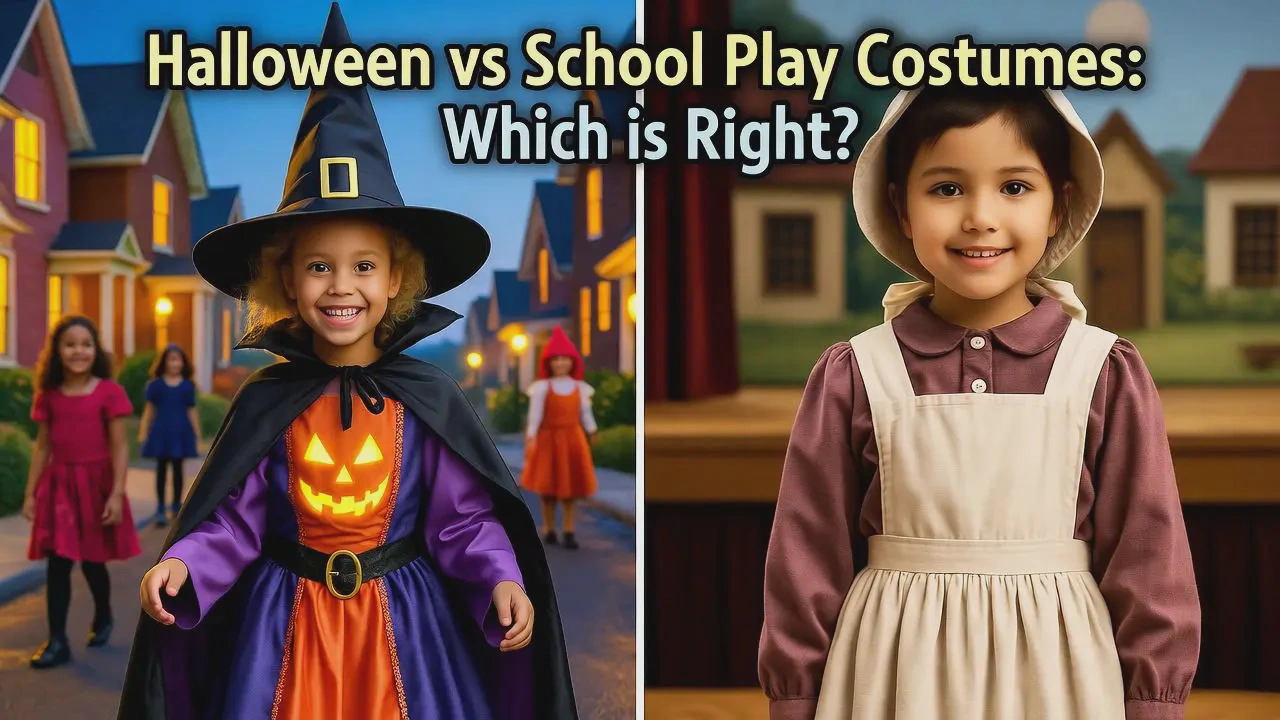
- Festive and Spooky Ambiance: Halloween is a time of celebration filled with a spooky, fun-loving atmosphere. Children's performance costumes for Halloween are designed to embrace this spirit. They often feature elements like ghosts, witches, vampires, and pumpkins. The primary goal is to create a sense of excitement and playfulness, appealing to the general public, especially during Halloween parades, parties, or community events. For example, a child dressed as a friendly werewolf with a fluffy, gray - colored costume and a big, toothy grin can bring joy and a touch of the macabre to the Halloween setting.
- Entertainment - Focused: These costumes are more about entertainment value. They are meant to be eye-catching and contribute to the overall Halloween experience. The audience, which can include families, neighbors, and other community members, expects to be entertained and delighted by the creativity and spookiness of the costumes.
1.2 School Play Costumes
- Character-Driven and Educational: School plays typically have a specific story or theme, and the costumes are designed to help the children portray their characters accurately. Whether it's a historical play, a fairy-tale adaptation, or a story with a moral lesson, the costumes need to support the character's role. For instance, if a child is playing a knight in a historical play, the costume should resemble medieval armor, complete with a tunic, a helmet, and a sword (a prop sword, of course). This not only helps the child get into character but also educates the audience, which usually consists of classmates, teachers, and parents, about the setting and the story.
- Enhancing the Narrative: School play costumes are crucial for enhancing the narrative of the play. They provide visual cues to the audience, helping them understand the relationships between characters, the time period of the story, and the overall plot. A well-designed costume can make the performance more engaging and memorable.
2. Design and Style
2.1 Halloween Children's Performance Costumes
- Creative and Exaggerated: Halloween costumes often allow for a high degree of creativity and exaggeration. They can be bright, colorful, and over - the - top. For example, a child's vampire costume might have a long, flowing cape, large fangs, and exaggerated makeup. The design can incorporate elements of fantasy and the supernatural, with glow - in - the - dark features, sequins, or feathers to make the costume stand out.
- Trendy and Pop-Culture Influenced: These costumes are often influenced by current pop culture trends. If a particular horror movie or TV show is popular, you might see children dressed as characters from it. For instance, after the release of a new zombie-themed movie, there could be a surge in children wearing zombie-inspired Halloween costumes.
2.2 School Play Costumes
- Accuracy and Authenticity: School play costumes need to be accurate and authentic to the time period, culture, or story being depicted. If the play is set in ancient Egypt, the costumes should reflect the style of clothing worn during that era, with linen tunics, headdresses, and jewelry inspired by Egyptian designs. This requires research to ensure that the costumes are historically or thematically correct.
- Subtle and in-character: The style of school play costumes is usually more subtle compared to Halloween costumes. They focus on creating a believable character rather than being overly flashy. The colors, patterns, and details are chosen to support the character's personality and role in the play. For example, a shy character in a play might wear a simple, muted - colored dress, while a more flamboyant character could have a costume with bold patterns or bright colors.
3. Comfort and Practicality
2.1 Halloween Children's Performance Costumes
- Mobility - Friendly: Halloween costumes need to allow children to move freely as they participate in various activities like trick - or - treating, dancing at parties, or performing short skits. They are often made of lightweight, stretchy materials that don't restrict movement. For example, a child's superhero costume made of a stretchy spandex material will enable them to run, jump, and pose without any discomfort.
- Weather - Considerate: Since Halloween can fall in different weather conditions, costumes may need to be weather-appropriate. In colder climates, costumes might be layered or made of warmer materials like fleece, while in warmer areas, lighter fabrics such as cotton or polyester blends are preferred.
2.2 School Play Costumes
- Long-Wearing Comfort: School play costumes need to be comfortable for the duration of the play, which could be several hours. They should not be too tight, too itchy, or too heavy. For example, a costume made of a soft, breathable cotton fabric is ideal for a long-running school play.
- Practical for Movement on Stage: The design of school play costumes should also take into account the movements required on stage. They should not have loose parts that could trip the child or get caught on props. A costume with secure fastenings and well-placed accessories is important for a smooth performance.
4. Cost and Accessibility
4.1 Halloween Children's Performance Costumes
- Affordable and Widely Available: Halloween costumes are mass-produced and available at a wide range of prices, making them accessible to most families. You can find affordable options at discount stores, online marketplaces, or even second-hand shops. There are also many DIY costume ideas available, which can be a cost-effective way to create a unique Halloween costume.
- Seasonal Availability: They are readily available during the Halloween season, usually from late September to early November. Stores stock a large variety of costumes, allowing parents and children to choose from a wide selection.
4.2 School Play Costumes
- Variable Cost: The cost of school play costumes can vary depending on the complexity and authenticity required. If the play has a historical or specific theme, the costumes might be more expensive to produce or purchase, especially if they need to be custom-made. However, some schools may have a costume budget or encourage parents to contribute in a cost-sharing arrangement.
- Specialized or Custom-Made: In some cases, school play costumes may need to be specialized or custom-made to fit the specific requirements of the play. This could involve working with a costume designer or a seamstress, which may take more time and effort compared to buying a ready-made Halloween costume.
5. Conclusion
- Context - Dependent Appropriateness: Whether a Halloween children's performance costume or a school play costume is appropriate depends on the context. For Halloween - specific events, the fun, spooky, and creative Halloween costumes are the perfect choice. On the other hand, for school plays, costumes that are accurate, character - driven, and suitable for the stage are more appropriate.
- Meeting Different Needs: Each type of costume serves a different purpose, and understanding these differences helps in making the right choice. While Halloween costumes are about celebration and entertainment, school play costumes are about education, character portrayal, and enhancing the narrative of the play.