How to Make a Witch Costume Stand Out in European Events
Introduction
Witch costumes are a classic choice for many European events, from Halloween celebrations to medieval-themed festivals. To make your witch costume truly stand out, it's essential to pay attention to details, incorporate elements of European culture, and add unique touches.
1. Insecnercorporate European Cultural References
1.1 Medieval and Renaissance Inspirations
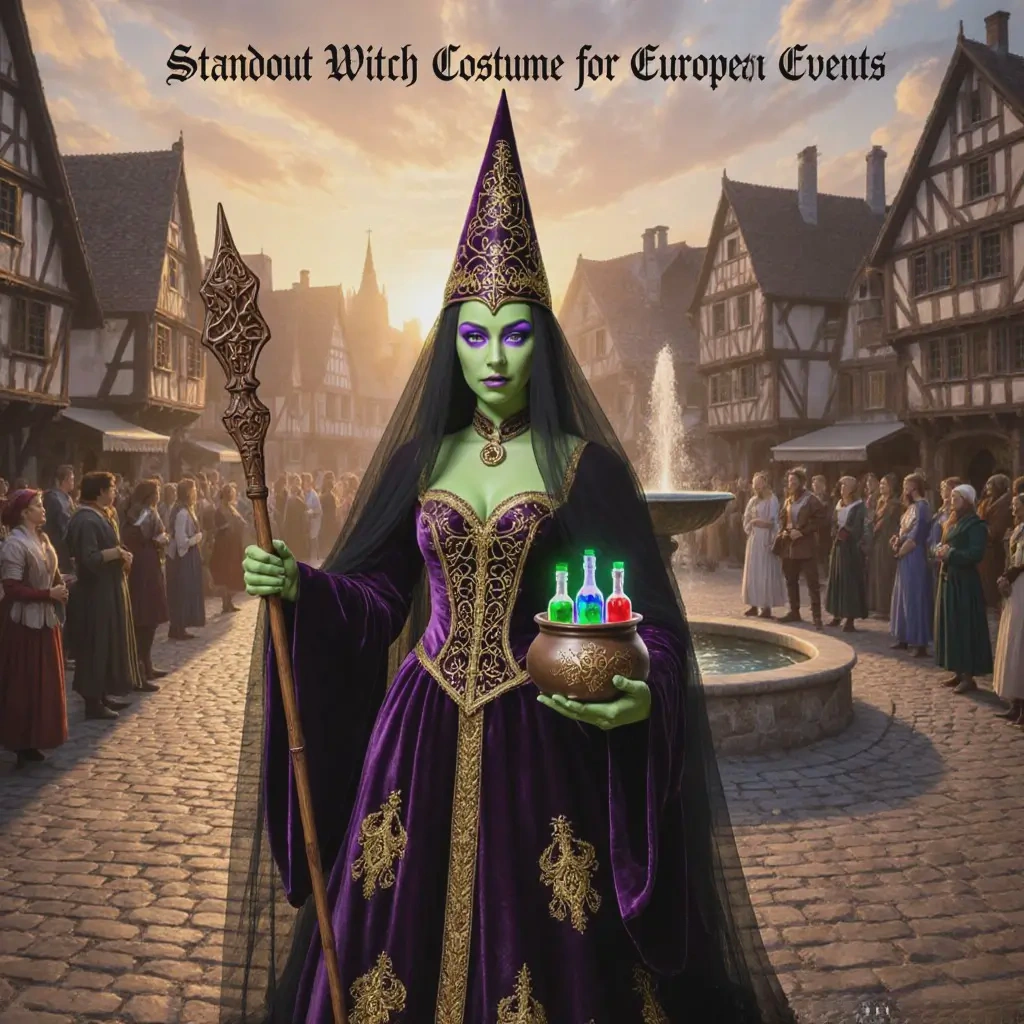
- Historical Garments: Draw inspiration from medieval and Renaissance fashion. In Europe, these periods were known for their elaborate clothing. A witch costume could feature a long, flowing gown with a fitted bodice, similar to the dresses worn during these times. The gown could be made of heavyweight fabrics like velvet or brocade, which were popular in medieval Europe. For example, a deep-purple velvet gown with intricate gold embroidery along the hem and sleeves can give a luxurious and historical touch to your witch costume.
- Headpieces: Medieval and Renaissance witches were often depicted wearing specific headpieces. A hennin, a tall, cone-shaped hat with a veil, was a common accessory during the Renaissance. Adapting this into your witch costume can make it more authentic and eye-catching. You can also add a wimple, a piece of cloth that covers the neck and chin, for an extra layer of historical accuracy.
1.2 Folklore and Mythology
- Regional Witch Legends: Europe has a rich tapestry of witch folklore. In some regions, witches were associated with specific symbols or items. For instance, in Scandinavian folklore, witches were said to use broomsticks made from rowan wood. Incorporating a broomstick with a carved rowan-wood handle into your costume can add an element of regional authenticity. In German folklore, witches were sometimes depicted with ravens. A raven-shaped brooch or a prop raven on your shoulder can pay homage to these legends.
- Mythical Creatures: European mythology is filled with mythical creatures associated with witches. In Celtic mythology, the fairy folk were often linked to witchcraft. You could add some fairy-like elements to your costume, such as wings made from iridescent fabric or a crown of wildflowers, to give it a unique spin.
2. Focus on High-Quality Materials and Details
2.1 Fabric Selection
- Rich Textures: Choose fabrics with rich textures to make your witch costume more visually appealing. Textures like rough burlap can be used for a more rustic, earthy witch look. Satin can add a touch of elegance, while lace can create a sense of mystery. For example, a burlap skirt paired with a satin bodice and lace-trimmed sleeves can create a multi-dimensional and interesting costume.
- Color Palette: Stick to a traditional witch-inspired color palette, but with a European twist. While black is a classic witch color, in European contexts, dark greens, purples, and deep blues were also associated with witchcraft. A combination of these colors can make your costume stand out. For instance, a deep-blue cloak lined with purple satin can give a regal and witchy look.
2.2 Attention to Details
- Embroidery and Embellishments: Add embroidery or embellishments to your costume. You can embroider symbols like pentagrams, moons, or stars in gold or silver thread on your dress or cloak. These symbols are commonly associated with witchcraft in European traditions. Beads, sequins, or small charms can also be added to enhance the overall look. For example, a belt adorned with small, hand-painted glass beads in a witch-themed pattern can be a unique detail.
- Handmade Props: Handmade props can make your costume more special. A hand-carved wooden wand with intricate carvings, perhaps depicting elements from European nature like leaves or vines, can be a focal point of your costume. A handmade cauldron, crafted from clay or metal, and filled with small, realistic-looking potions (such as colored liquids in vials) can add to the authenticity.
3. Create a Unique Witch Character
3.1 Define Your Witch's Backstory
- Historical Figure or Original Character: You can base your witch character on a historical European witch figure, such as the famous Pendle Witches in England. Research their stories and incorporate elements into your costume. For example, you could wear a simple, homespun dress like those the Pendle Witches might have worn, along with a shawl. Alternatively, create an original witch character. Maybe your witch is a forest-dwelling healer, and her costume could feature elements like dried herbs, a leather satchel filled with healing potions, and a staff with a crystal at the top.
- Personality Traits: Decide on your witch's personality traits. Is she a mischievous young witch, an ancient and wise crone, or a powerful and feared sorceress? Your costume can reflect these traits. A mischievous witch might have a more colorful and playful costume, with bright accents and a cheeky expression. An ancient crone could have a tattered, earth - toned costume with a hunched posture and a gnarled staff.
3.2 Add Accessories for Character Development
- Jewelry and Amulets: Jewelry and amulets can help develop your witch character. A necklace with a large, rough-cut crystal pendant can represent a witch's connection to magic. Rings with symbols or gemstones can also add to the character. In some European traditions, amulets were believed to protect against witchcraft or enhance a witch's powers. You could wear an amulet in the shape of a horseshoe or a four-leaf clover.
- Makeup and Hairstyle: Your makeup and hairstyle are crucial for character development. A young witch might have a more natural-looking makeup with a touch of purple eyeshadow to represent her magical nature. An older witch could have a more elaborate makeup look, with deep wrinkles, a mole on her chin, and green-tinted skin. The hairstyle could range from long, flowing hair for a free-spirited witch to a tightly-bound bun for a more proper, traditional witch.
4. FAQ
Q: How can I make my witch costume more comfortable for long-term wear at European events?
A: Choose breathable fabrics like cotton or linen for the base of your costume. If you're using heavy fabrics like velvet, make sure there are ventilation points, such as slits in the sides of the gown. Also, opt for comfortable shoes or boots, and avoid overly tight accessories. For headpieces, ensure they fit well and don't cause discomfort.
Q: Can I use modern elements in my witch costume to make it stand out at a European event?
A: Yes, but use them sparingly and in a way that still respects the European and witch-themed context. For example, you could incorporate LED lights in a subtle way to represent magical energy. A modern - looking crystal - encrusted phone case in a witch-themed design could be a fun accessory. However, be careful not to overdo it, as the goal is to blend modern elements with the traditional witch and European aesthetics.
5. Conclusion
Making a witch costume stand out in European events requires a combination of cultural references, high - quality materials, unique character development, and attention to detail. By following these steps, you can create a witch costume that not only pays homage to European traditions but also makes a memorable impression at any event.