How to Pick a Halloween Child's Performance Costume That's Inspiring for Kids?
Introduction
SERPs for queries on selecting Halloween costumes for children often feature lists of popular ideas or product recommendations, but they seldom offer a comprehensive framework for choosing outfits that inspire creativity, confidence, and personal growth while ensuring suitability for performances or events. This intent gap is crucial because parents and guardians need actionable strategies to align costumes with a child's interests and safety, ultimately enhancing engagement and learning opportunities during festive activities.
Basic Concepts
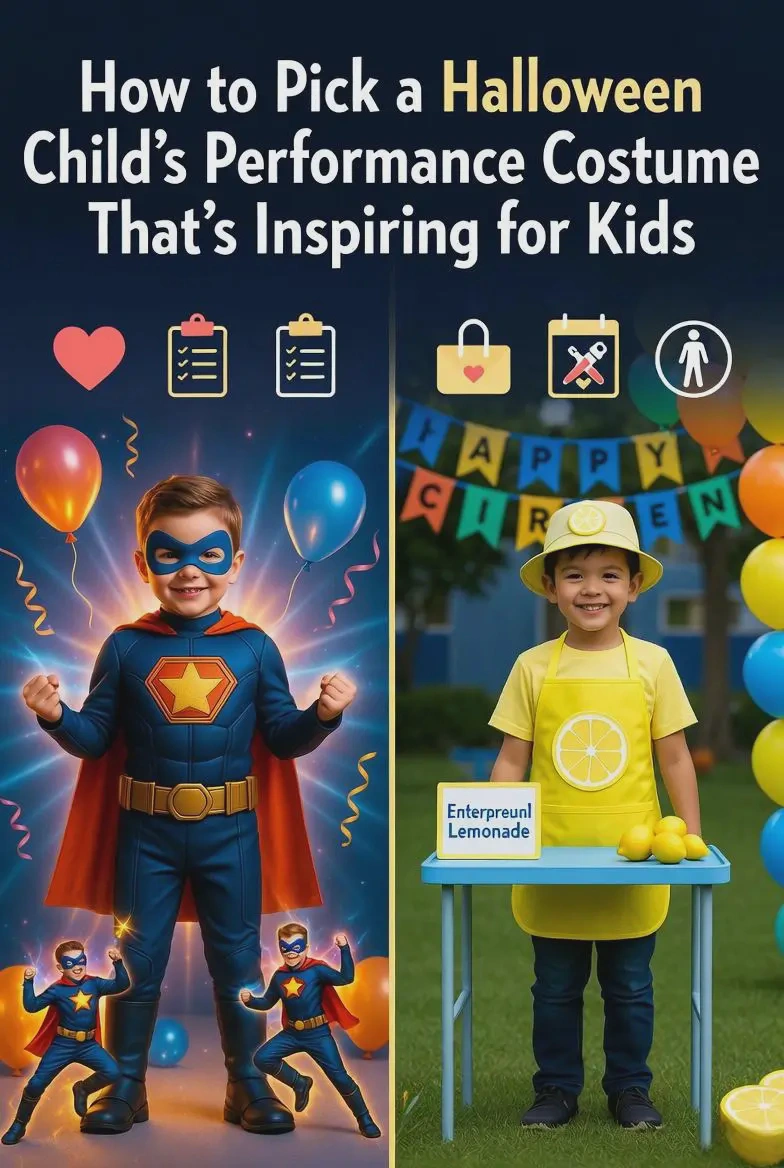
Halloween child's performance costumes are outfits designed for events like parties, parades, or stage activities, drawing from characters, professions, or themes that resonate with kids' passions. Key elements include alignment with pop culture icons, mythical figures, hobbies such as sports or arts, and party themes like enchanted forests or space adventures. Emphasis is placed on materials that support movement, such as breathable fabrics, while incorporating inspirational aspects like role-playing entrepreneurs or heroes to foster imagination and self-expression.
Technical Principle
The process of selecting an inspiring Halloween performance costume involves systematic evaluation of the child's profile, event requirements, and practical factors. Below is a text-based flowchart:
Start -> Assess Child's Interests (Identify favorites: characters like superheroes, hobbies like science or music) -> Review Event Details (Theme: e.g., pirate cove; Activities: dance or storytelling; Venue: indoor/outdoor) -> Evaluate Practicality (Comfort: fit and fabric; Safety: flame-resistant, no hazards) -> Explore Options (Compare types: store-bought vs. DIY; Add custom elements) -> Test and Adjust (Try on for mobility; Incorporate inspiring touches like badges or props) -> Finalize Selection (Ensure inspiration: ties to role models or skills) -> End.
This workflow promotes choices that balance fun with developmental benefits.
Table / Comparison
The table below compares common costume categories for their inspirational value in performance settings, based on factors like theme fit and child engagement.
| Category | Examples | Inspirational Appeal | Performance Suitability | Cost Range | Customization Ease |
|---|---|---|---|---|---|
| Pop Culture Icons | Superhero, Disney princess | Encourages heroism, empathy | High mobility for action | $20-50 | Moderate (add props) |
| Mythical Figures | Fairy, wizard | Sparks imagination, magic | Good for storytelling | $15-40 | High (DIY accessories) |
| Hobby-Based | Artist, athlete | Builds on personal passions | Variable by activity | $10-30 | High (use household items) |
| Entrepreneurial | Lemonade stand owner, DJ | Fosters business skills | Interactive props | $5-25 | Very high (simple assembly) |
| Theater-Inspired | Musical characters (e.g., Elsa) | Promotes performing arts | Excellent for role-play | $25-60 | Moderate (details matter) |
This highlights how entrepreneurial options offer high customization at low cost, while theater-inspired ones excel in role-play.
Checklist
To guide selection of an inspiring performance costume:
- Identify child's passions: List favorite characters, hobbies, or role models.
- Match to event: Confirm theme compatibility and activity demands (e.g., stretchy for dancing).
- Prioritize comfort: Select breathable, fitted fabrics; avoid restrictive elements.
- Ensure safety: Check for flame resistance; eliminate small parts or tripping risks.
- Incorporate inspiration: Choose themes tied to skills like creativity or leadership.
- Consider budget and source: Evaluate DIY vs. store-bought; explore second-hand options.
- Test functionality: Verify ease of movement and weather adaptability.
- Add personal touches: Include custom badges, props, or artwork for ownership.
This ensures a practical, motivating choice.
Case Studies
In one example, a child passionate about science opted for a lab coat with a "Science Entrepreneur" badge and toy invention props, as documented in community shares. This DIY approach, using an oversized shirt and markers, boosted confidence during a party performance, highlighting STEM interests.
Another instance involved a musical theater enthusiast dressing as Elsa from Frozen, with a blue dress, cape, and makeup. The outfit allowed singing and dancing at a school event, drawing from character details to inspire artistic expression, though adjustments ensured mobility.
A third case featured a lemonade stand owner costume with an apron, sign, and plastic lemons for a business-themed party. Assembled from household items, it encouraged role-playing entrepreneurial scenarios, fostering future-oriented thinking as noted in educational blogs.
Advanced Analysis
Existing SERPs emphasize trendy lists but underexplore how costumes can address developmental needs, such as building resilience through gender-neutral or culturally sensitive choices. For instance, opting for hero-based outfits over stereotypical ones promotes discussions on identity and values, filling a gap in guidance for avoiding appropriation by focusing on characters rather than ethnic attire. Trends show a shift toward reusable, eco-friendly DIY options that integrate learning, like incorporating child's drawings for personalization, which enhances emotional investment. This approach resolves challenges in multi-event use, where versatility in layering for weather or activities prevents discomfort, ultimately supporting long-term inspiration beyond the holiday.
Conclusion
Selecting a Halloween child's performance costume that inspires involves aligning interests with practical and safety considerations, leading to enriching experiences. By following structured steps, parents can facilitate choices that nurture creativity and confidence effectively.