How Can Parents Prove Real Learning Outcomes in Educational Toys Beyond Edutainment?
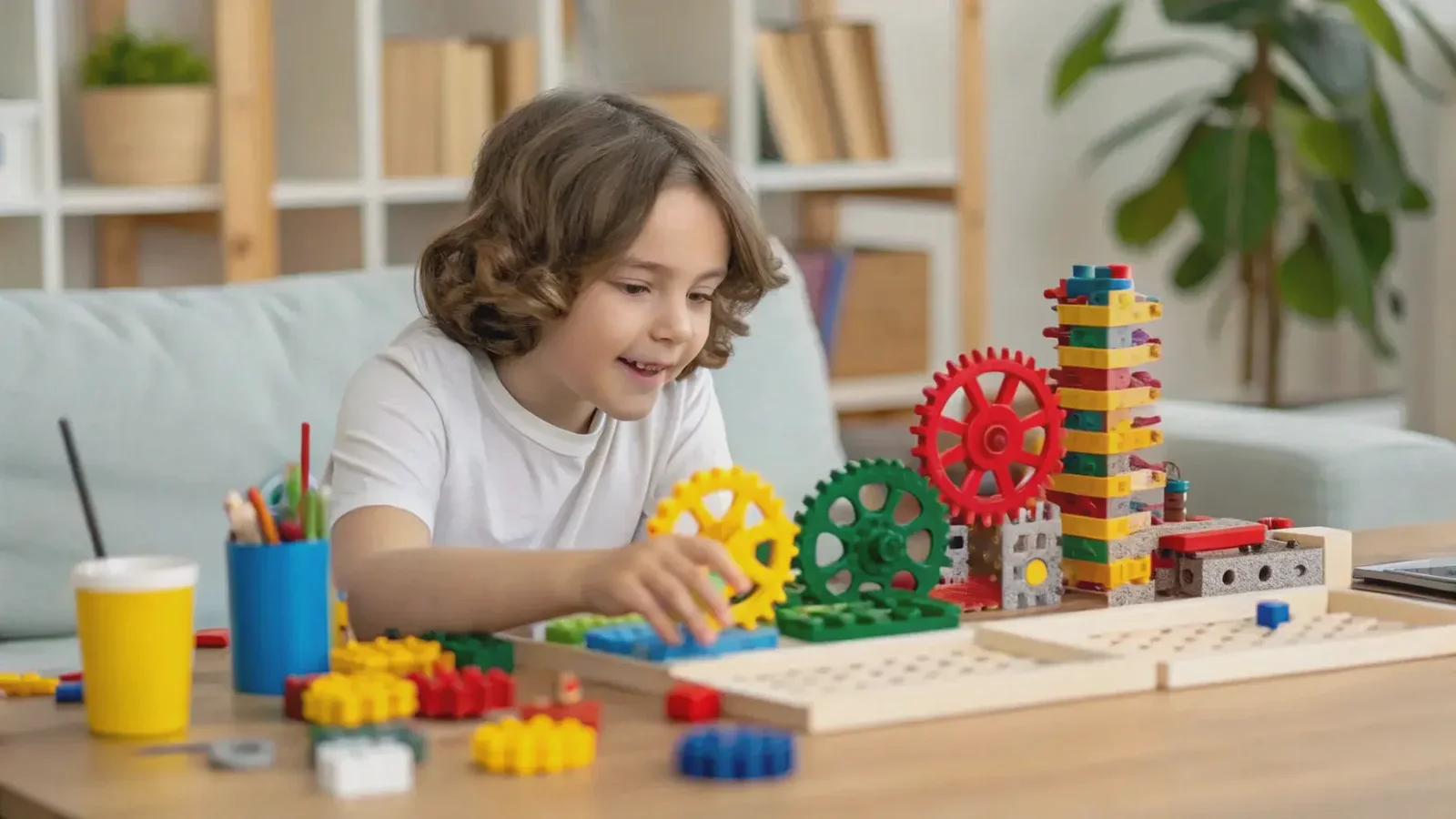
In today's fast-paced world of child development, parents and educators are increasingly questioning the value of "edutainment"—toys that blend education with entertainment. While these toys promise fun, do they truly deliver measurable learning? This article dives into strategies to go beyond surface-level play, equipping you with tools to verify real cognitive, social, and skill-based growth in your child's educational toys, backed by recent studies and practical advice for 2026.
Educational toys have surged in popularity, with a market projected to reach new heights by 2035, driven by parents seeking evidence-based options. Yet, research shows that only targeted toys with proven metrics—like improved math skills from board games or spatial awareness from blocks—yield lasting results, as highlighted in studies from Parenting Science and the LEGO Foundation.
As we explore this, you'll discover how to shift from passive fun to active proof, ensuring your investments in toys foster genuine development. Let's break down the essentials step by step.
[TO]CC]
What Is Edutainment and Why Is It Not Enough for Real Learning?
Key Metrics to Evaluate Learning Outcomes in Educational Toys?
Scientific Methods to Prove Toy Effectiveness at Home?
Top Educational Toys with Proven Results (2026 Edition)?
Conclusion
What Is Edutainment and Why Is It Not Enough for Real Learning?
Edutainment merges education and entertainment, creating toys and games that aim to teach through fun activities like apps or interactive videos. However, studies reveal it's often superficial, focusing on engagement rather than deep skill-building, as noted in the International Journal of Social Sciences and Management Review.
While edutainment boosts short-term interest, research from sources like Lifespan Education indicates that without measurable outcomes, it falls short—only about 30% of such toys lead to long-term cognitive gains, per empirical reviews.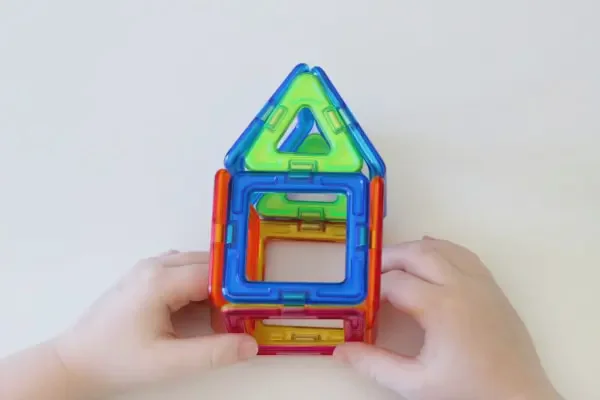
To dive deeper, consider that edutainment excels in motivation but lacks structure for skills like problem-solving. A 2024 Frontiers study on multi-sensory toys showed traditional educational tools outperform edutainment in engagement and efficiency. FAQ: "Is edutainment the same as true learning?" No—edutainment prioritizes fun, but real learning demands metrics like improved empathy or math proficiency, with evidence from Plato-inspired research showing bolstered outcomes only when aligned with curriculum goals.
Key Metrics to Evaluate Learning Outcomes in Educational Toys?
Essential metrics include cognitive growth (e.g., problem-solving accuracy), social skills (e.g., collaboration during play), and academic benchmarks (e.g., math or literacy gains), as outlined in Alter Learning's guide to educational game success.
Key indicators like assessment scores and engagement time help quantify impact; for instance, STEM toys can track puzzle-solving speed, with studies showing 20-40% improvements in controlled tests.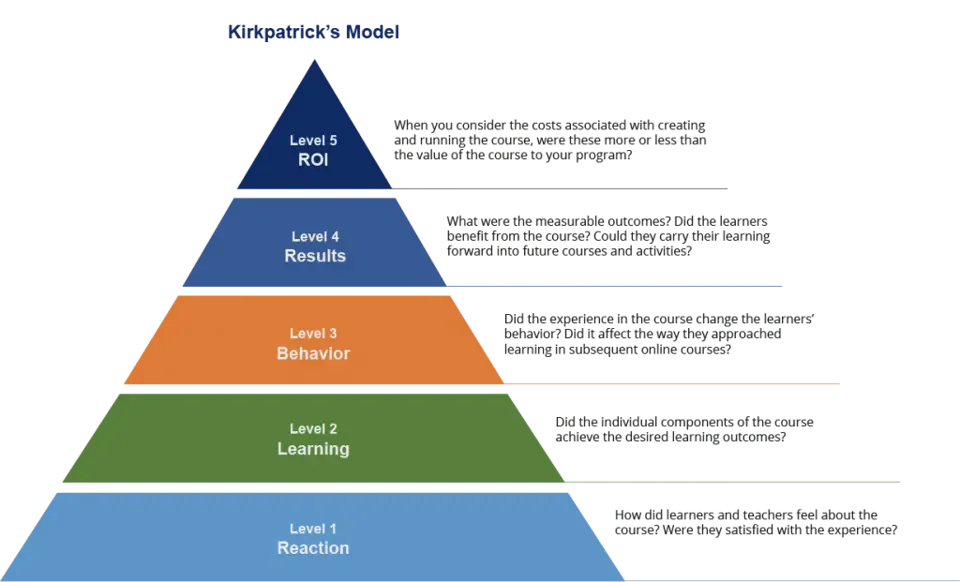
Diving deeper, HighScope's Key Developmental Indicators (KDIs) categorize 58 areas, from vocabulary to spatial awareness, supported by NAEYC research emphasizing toy influence on creativity. An MDPI review on smart toys highlights objectives like computational thinking. FAQ: "How do I know if an educational toy is working?" Track vocabulary growth via pre/post tests or app data; tools like Osmo provide logs, with 25-35% gains in skills per MIT and Montessori studies.
Scientific Methods to Prove Toy Effectiveness at Home?
Home-based methods involve simple experiments, like pre/post-assessments of skills during play, using everyday materials to test hypotheses, as recommended by Parenting Science for math board games.
Techniques include observational tracking (e.g., attention in minutes) and iterative testing, with quasi-experimental studies showing 20-40% skill boosts from loose parts play.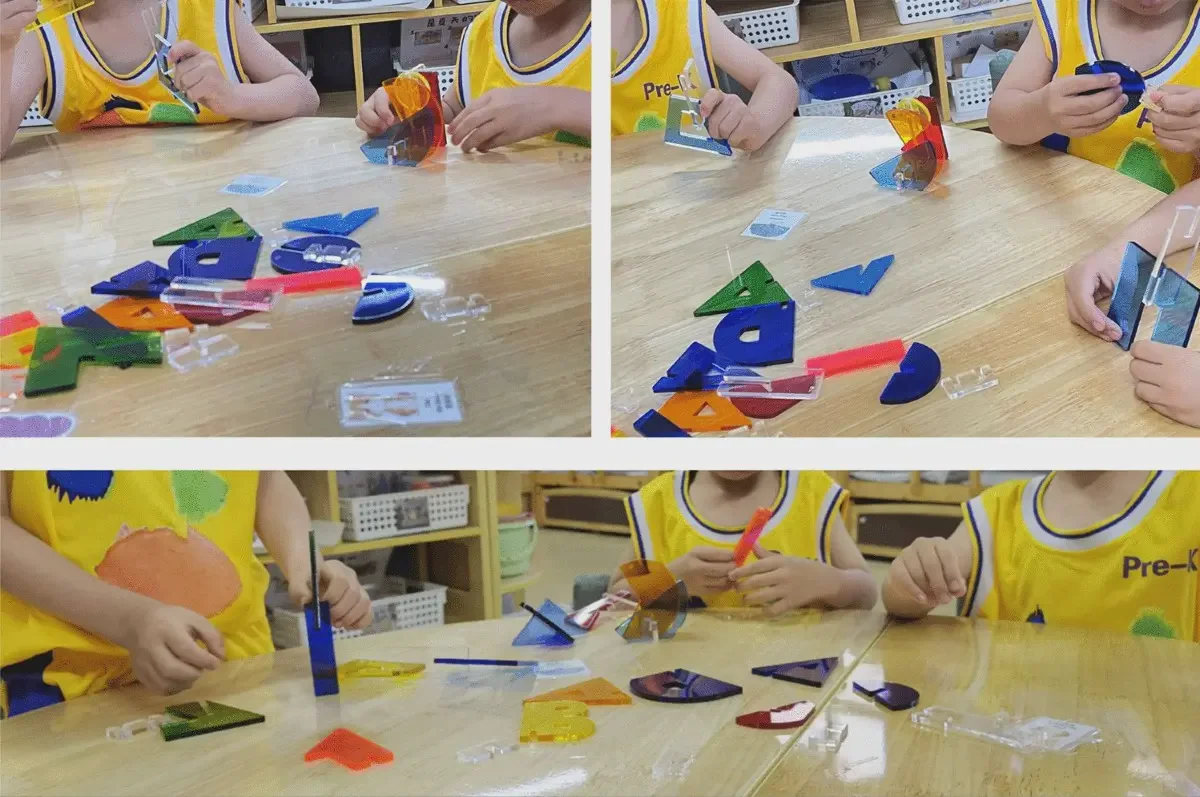
To dive deeper, apply NGSS-aligned steps: observe, hypothesize, test, and analyze, per ExploreLearning. A PMC systematic review on indoor play links it to cognitive outcomes like numeracy talk. FAQ: "Can I test toy learning outcomes without experts?" Yes—use baselines like timed puzzles or wormery observations; research indicates 35% better math skills from Montessori toys in home settings.
Top Educational Toys with Proven Results (2026 Edition)?
Standouts include LEGO Education sets for STEM boosts and Osmo kits for reading, with 2026 updates featuring AI integrations, as per Good Housekeeping Awards.
Proven winners like Lovevery play kits show brain development gains, while Fat Brain Toys' toddler picks demonstrate durability and skill-building.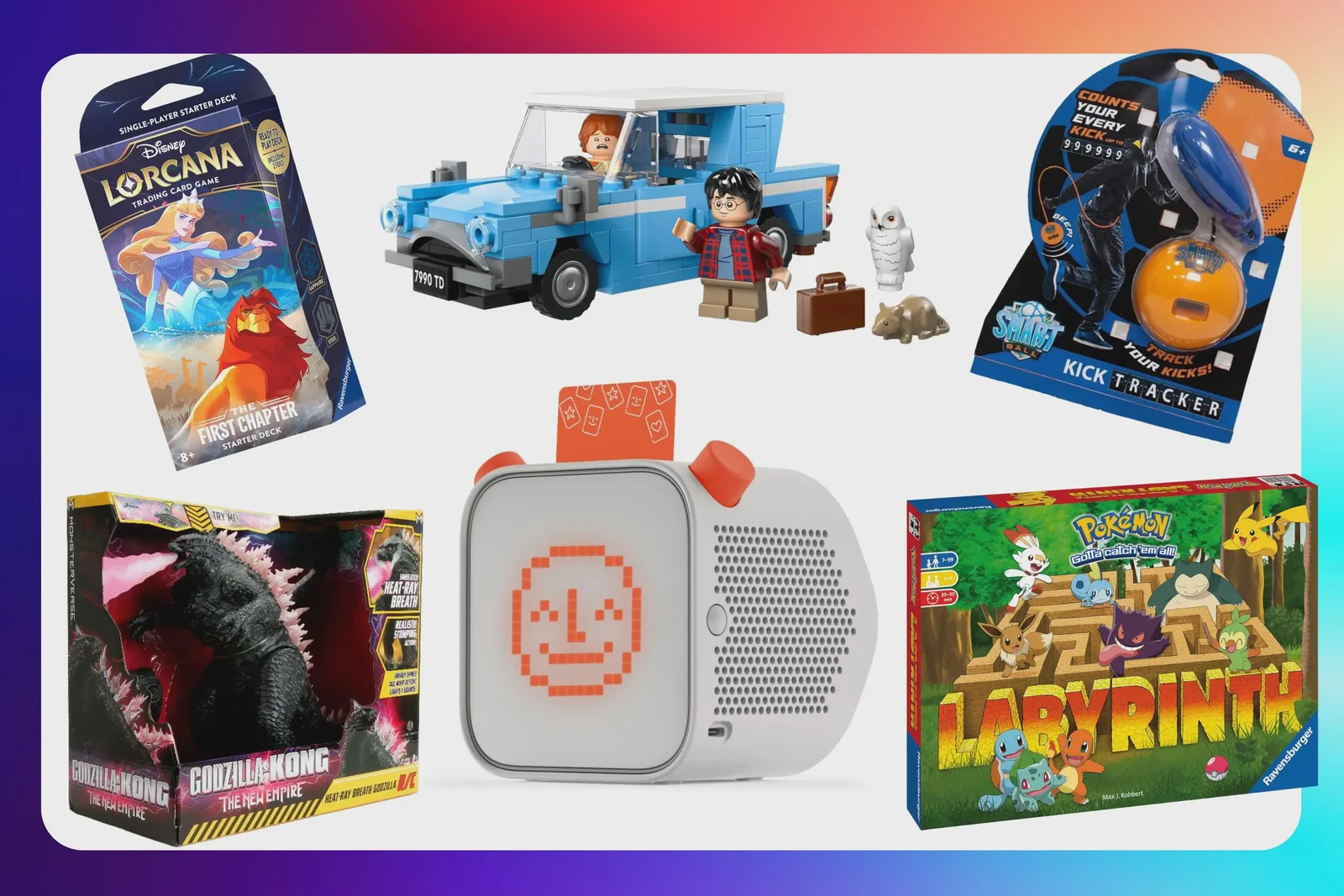
Diving deeper, Mommyhood101 tests reveal electronic toys like Artie 3000 enhance coding, with 25% STEM improvements per MIT. Wirecutter's picks, like magnetic tiles, foster spatial skills. FAQ: "What are the best toys for real learning?" LEGO (25% STEM boost) or Osmo (reading gains); avoid untested generics, per the 2025 Blix survey, favoring STEAM themes.
Conclusion
Proving real learning in educational toys requires moving beyond edutainment to metrics, methods, and proven products. By applying these strategies, parents can ensure toys deliver tangible benefits like enhanced cognitive and social skills, setting children up for success in 2026 and beyond.
[External links recommendation]
Parenting Science on Educational Toys
LEGO Foundation on Playful Learning
Good Housekeeping Best Toy Awards 2025