
Can Deep Learning Break the Cycle of Short Toy Lifecycles?
C?sean Deep Learning Break the Cycle of Short Toy Lifecycles?
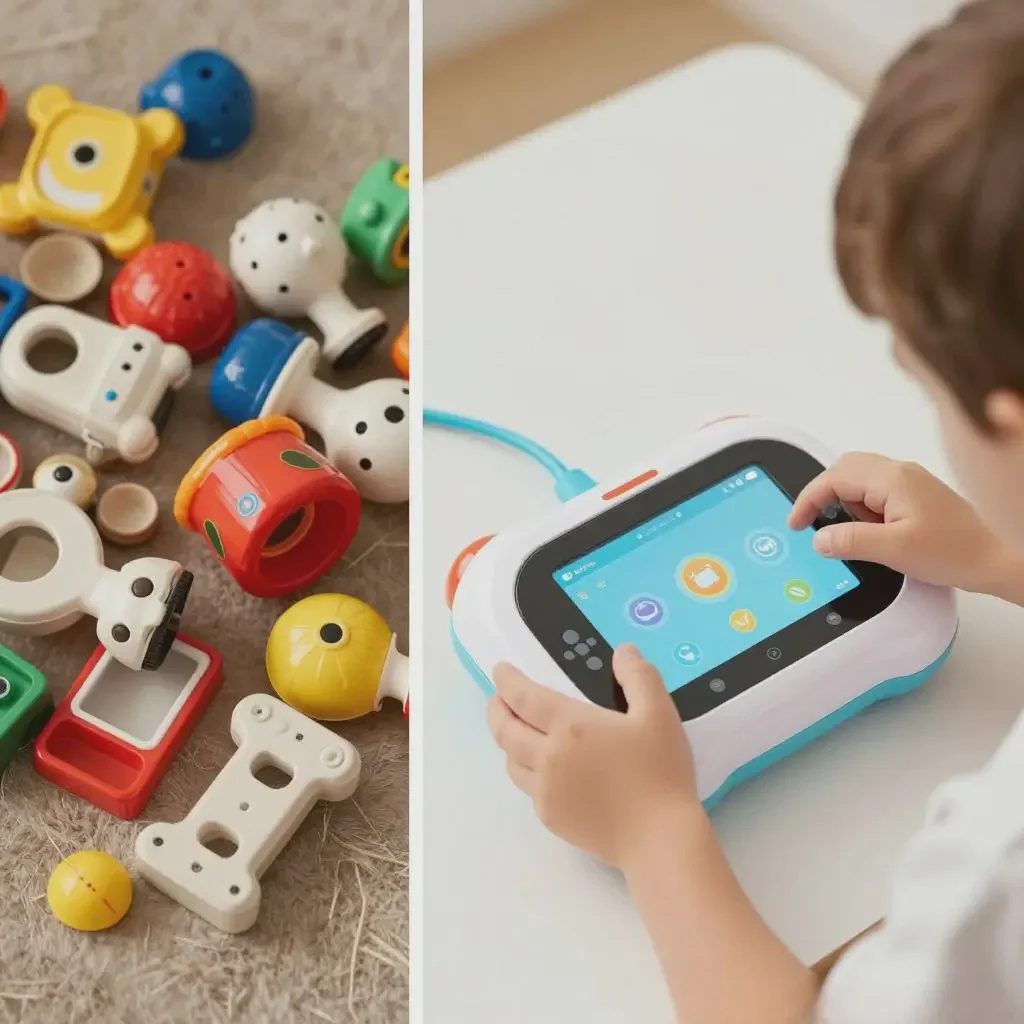
The toy industry faces a pervasive and costly challenge: the short lifecycle of its products. Children's fleeting interests and rapid development often render toys obsolete within months, leading to waste, frustrated parents, and constant pressure on manufacturers to churn out the next hit. But what if toys could evolve alongside the child? This article explores how deep learning and adaptive AI present a transformative solution, moving us from disposable playthings to enduring learning companions that can stay relevant for years, not months.
Deep learning offers a solution to short toy lifecycles by creating adaptive play experiences. Unlike static toys, AI-powered systems can analyze a child's interactions, adjust difficulty, introduce new content, and personalize challenges, effectively allowing a single toy to "grow" with the child. This extends engagement, increases product value, and builds a sustainable model for the future of play.
Moving beyond the hype, let's examine the concrete mechanics of this shift. We'll break down how traditional toys fail, how deep learning redefines play, the practical challenges of implementation, and the tangible business case for investing in smarter, longer-lasting toys.
[TOC]
Why Do Traditional Toys Have Such a Short Shelf Life?
How Can a Toy "Learn" to Adapt to a Growing Child?
Beyond the Hype: What Are the Real Technical and Ethical Hurdles?
Does Investing in AI Actually Pay Off for Toy Companies?
Conclusion
External Links Recommendation
Why Do Traditional Toys Have Such a Short Shelf Life?
The rapid obsolescence of traditional toys isn't just about fickle tastes; it's a fundamental design flaw rooted in static functionality. A puzzle has a fixed number of pieces, a storybook has one narrative, and an electronic learning toy has a pre-programmed set of responses. Once a child masters the skill or exhausts the content, the toy loses its core challenge and novelty—the very engines of engagement.
Traditional toys fail because they are static. They cannot scale their complexity or refresh their content to match a child's cognitive and skill development, leading to boredom and rapid abandonment.
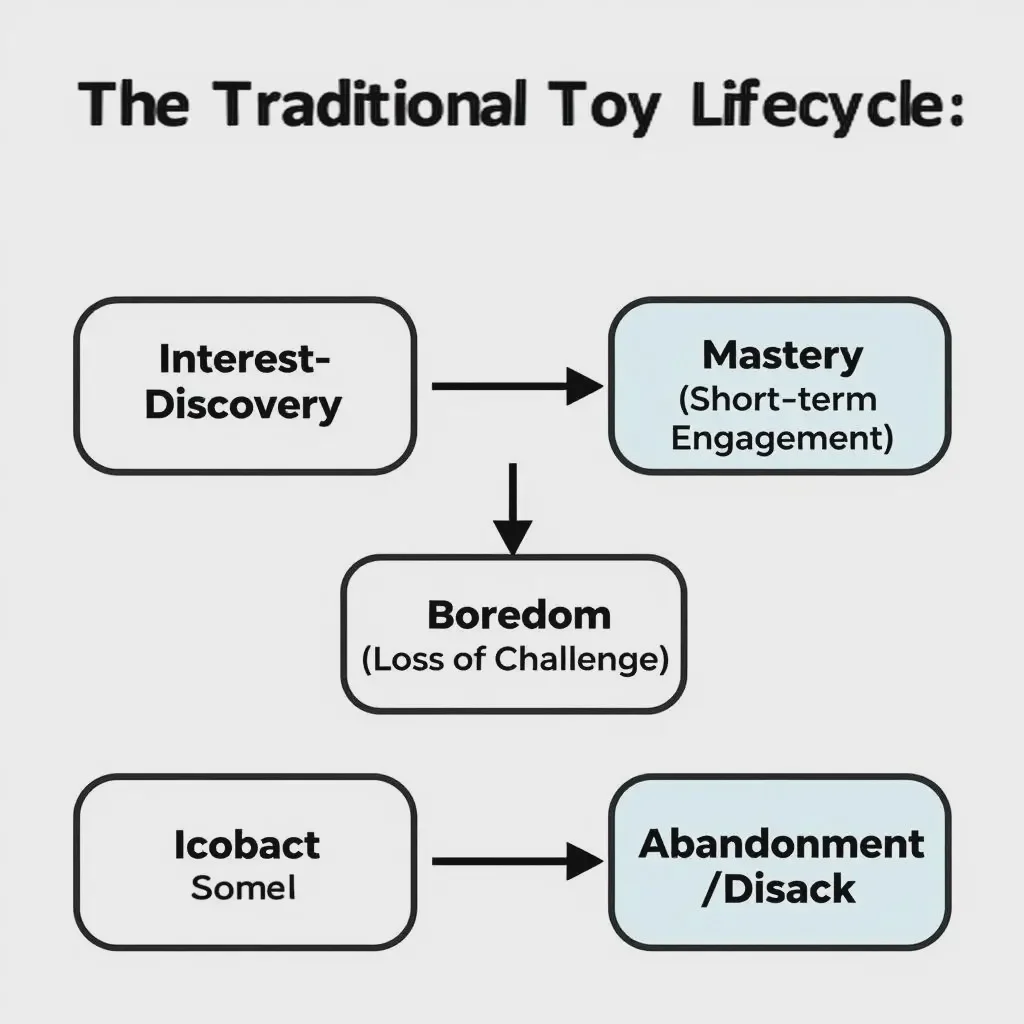
This creates a vicious cycle for both consumers and the industry. Parents see a high cost-per-hour-of-play, contributing to frustration and a reluctance to invest in premium products. For manufacturers, it means relying on constant new launches, massive marketing spends, and a business model vulnerable to fleeting trends. The environmental impact is also significant, contributing to electronic waste and plastic pollution. The core issue is a mismatch between the linear, fixed nature of the product and the non-linear, dynamic nature of child development.
How Can a Toy "Learn" to Adapt to a Growing Child?
This is where deep learning transitions from a tech buzzword to a core design principle. An adaptive toy powered by AI moves from being a product to becoming a platform. It utilizes sensors, microphones, and cameras (ethically and privately) to collect anonymized data on how a child plays—their speed, success rate, hesitation points, and creative choices.
Through deep learning algorithms, toys can analyze play patterns in real-time. They can then dynamically adjust game difficulty, suggest new creative pathways, introduce narrative branches, or present personalized learning challenges, ensuring the experience is always in the child's "zone of proximal development."
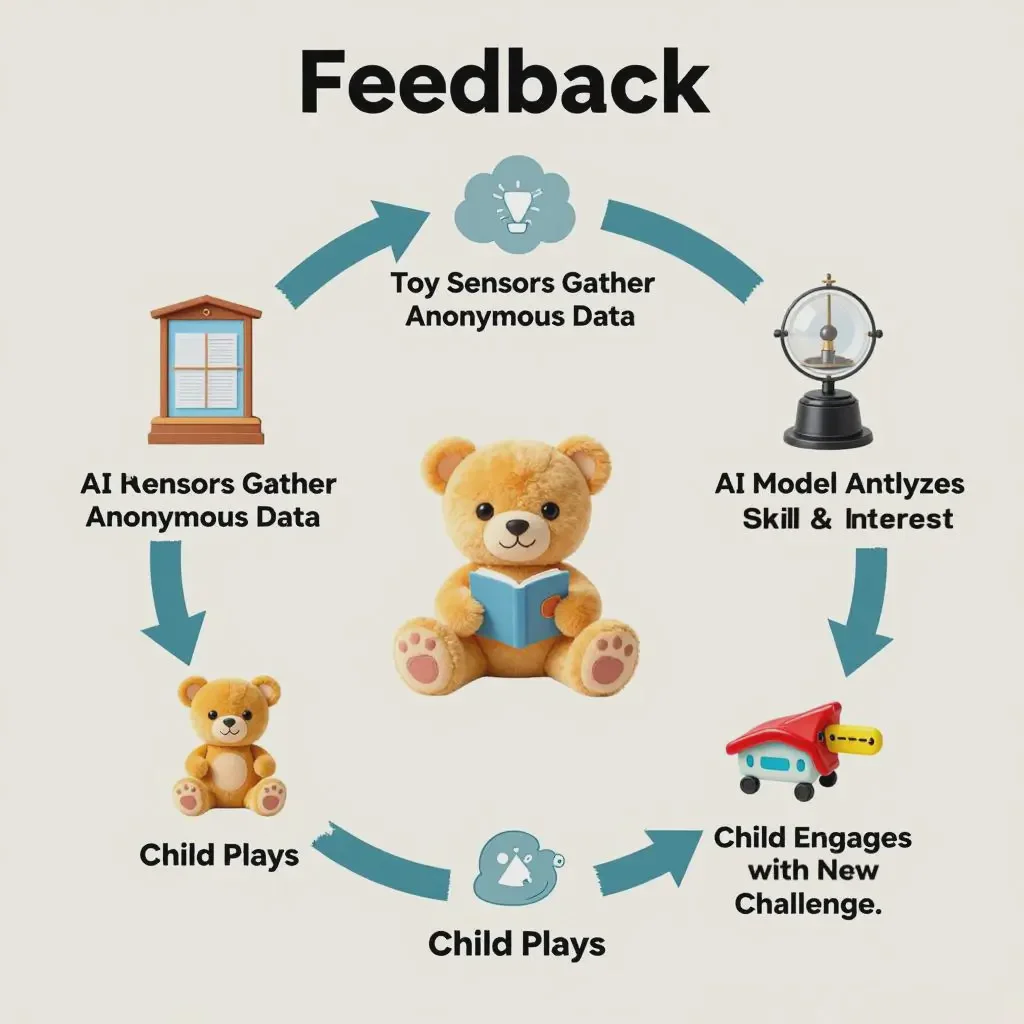
Consider a smart building block system. A traditional set's possibilities are finite. An AI-powered version could observe a child's constructions and, over time, propose progressively complex architectural principles or introduce challenges based on physics ("Can you build a bridge that supports this weight?"). A storytelling companion might evolve its narratives based on the words a child is learning or the themes they engage with most. The key is personalized scaffolding—the toy provides just enough support for the child to reach the next level of understanding independently, a concept drawn directly from educational psychology.
Beyond the Hype: What Are the Real Technical and Ethical Hurdles?
Implementing deep learning in toys is not without significant challenges that go far beyond coding. Success requires navigating a complex landscape of technical limitations, stringent safety regulations, and profound ethical responsibilities, particularly concerning our youngest users.
Key hurdles include processing power and cost constraints, robust data privacy for children, and avoiding algorithmic bias. The design must prioritize safety, ethics, and developmental appropriateness as much as technological innovation.
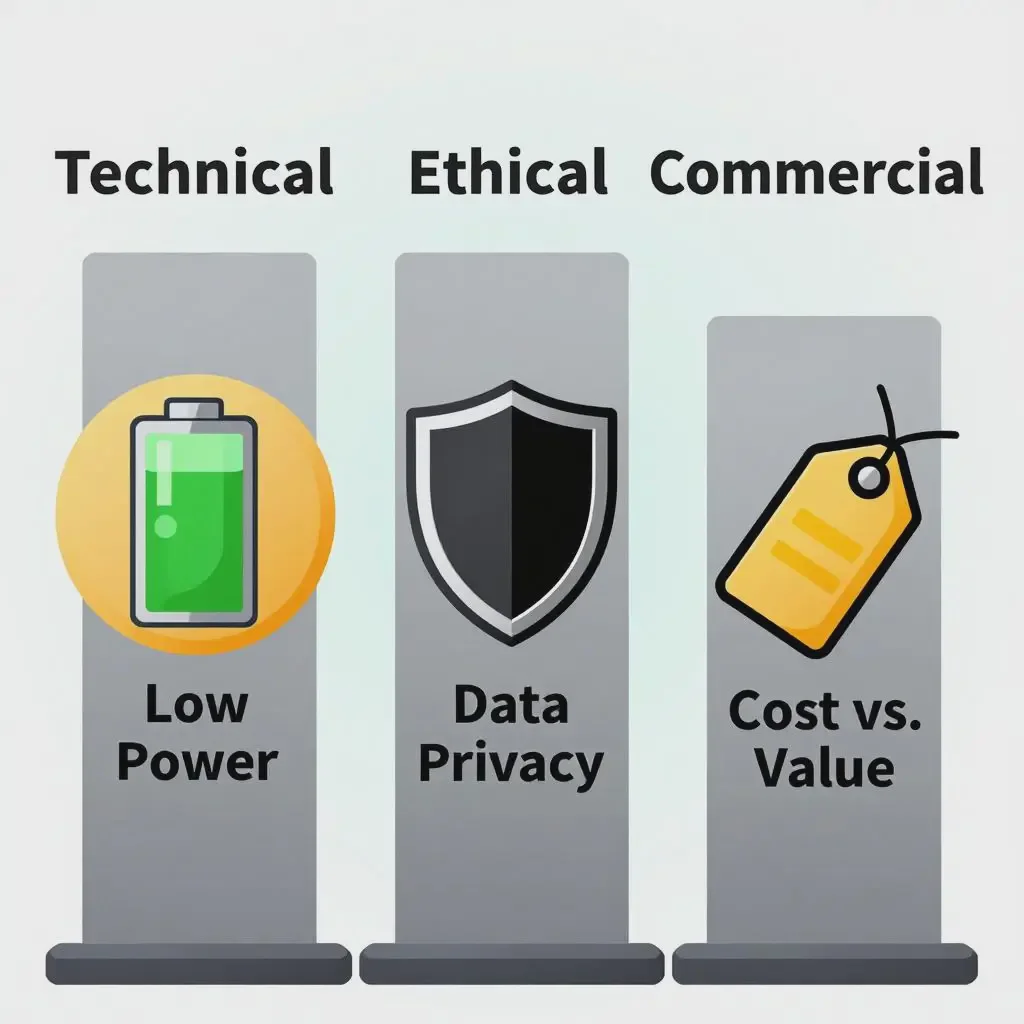
Technically, creating effective on-device AI that doesn't require constant cloud connectivity (for latency and privacy) is a hurdle, as is ensuring battery life. Ethically, the stakes are enormous. Data collection must be minimal, anonymized, transparent, and require explicit parental consent. Algorithms must be rigorously tested to avoid reinforcing gender stereotypes or cultural biases. There's also a risk of over-engineering play; the goal is to enhance creativity and exploration, not replace it with a prescribed, screen-like experience. Navigating regulations like COPPA (Children's Online Privacy Protection Act) in the US and GDPR-K internationally is non-negotiable and must be foundational to the design process.
Does Investing in AI Actually Pay Off for Toy Companies?
For business leaders, the ultimate question is one of return on investment. While developing an AI-powered toy involves higher upfront R&D costs, the financial model shifts from one-time transactions to long-term value creation, opening multiple new revenue streams and building deeper brand loyalty.
The ROI comes from extended product lifespan, justifying a higher price point, opportunities for downloadable content or subscriptions, and the invaluable data insights (fully anonymized and aggregated) that can inform future development, creating a more resilient and sustainable business.
Financially, a toy that remains engaging for two years instead of six months can command a price premium of 30-50% while providing far greater perceived value to the parent. This transforms the customer relationship from a single sale into a long-term engagement. Companies can explore models like curated content expansions (new story packs, challenge modules) or premium features unlocked via subscription. Moreover, aggregated, anonymized data on play patterns is a strategic goldmine for understanding developmental milestones and unmet needs, reducing the risk and cost of future product development. The investment shifts from marketing the next toy to enhancing the current one, fostering brand advocacy and sustainable growth.
Conclusion
The integration of deep learning into toy design is not merely about adding high-tech features; it is a fundamental reimagining of the product lifecycle itself. By creating toys that are adaptive, personalized, and capable of evolving with a child's development, we can break the wasteful cycle of rapid obsolescence. This approach delivers greater value to families, fosters deeper and longer engagement, and builds a more sustainable and innovative future for the toy industry. The path forward requires a thoughtful balance of technological ambition, ethical rigor, and child-centered design. The goal is clear: to transform toys from short-lived commodities into enduring companions on the journey of growth and discovery.
[External links recommendation]
COPPA Compliance Guidelines - The official FTC guide for complying with the Children's Online Privacy Protection Act, essential for any developer.
MIT Media Lab: Lifelong Kindergarten - Research group focusing on technologies that engage people in creative learning experiences, directly relevant to designing adaptive play.