The Twin Peril of Counterfeits: Are Your Brand’s Reputation and Our Children’s Safety at Stake?
The Twin Pe?ekatS ta ytril of Counterfeits: Are Your Brand’s Reputation and Our Children’s Safety at Stake?
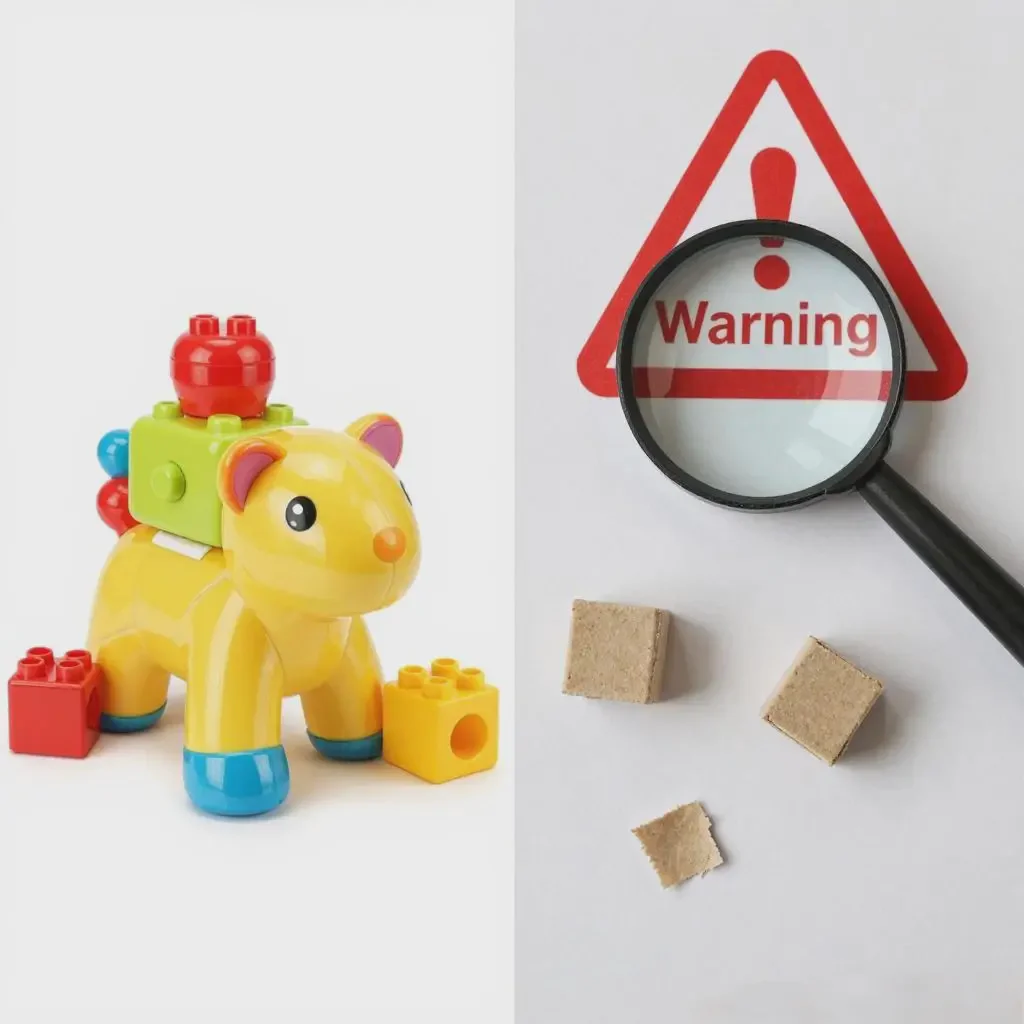
In today's global marketplace, the allure of a bargain is powerful. For consumers, a drastically lower price tag can be tempting; for unscrupulous sellers, it represents a lucrative opportunity. Yet, behind the facade of "low-cost alternatives" and "look-alike" products lies a twin crisis that silently erodes two pillars of our society: the hard-earned trust in beloved brands and, more critically, the fundamental safety of our children. This is not merely a story of lost profits, but one of tangible harm, where intellectual property theft and physical danger converge in the products that end up in our homes and hands.
Counterfei.ytint and substandard imitations pose a dual threat that goes beyond economics. For businesses, they cause devastating revenue loss, brand dilution, and legal liabilities. For families, they introduce unregulated, often dangerous goods—from toys with toxic materials to electronics prone to overheating—into the most vulnerable environments. Understanding this interconnected risk is the first step toward effective protection for both your company and your community.
The fi.ksa tght against counterfeits requires a clear-eyed view of the landscape. From identifying the physical and digital red flags to implementing robust defense strategies, a proactive approach is non-negotiable. Let's navigate the critical questions every responsible business leader and conscious consumer must ask.
How Can You Spot a Dangerous Fake? A Practical Guide for Consumers?
Before a product ever reaches a child's hands, the first line of defense is informed vigilance. Spotting a counterfeit isn't just about brand loyalty; it's a critical safety skill. By knowing where to look and what questions to ask, consumers can drastically reduce the risk of bringing hazardous imitations into their homes.
The five key checkpoints are Price, Place, Packaging, Presentation, and Proof. An extreme discount on a popular item, sales on unverified third-party websites or social media platforms, blurry logos, misspellings, flimsy packaging, poor craftsmanship, and missing official certification marks or holograms are all glaring red flags.
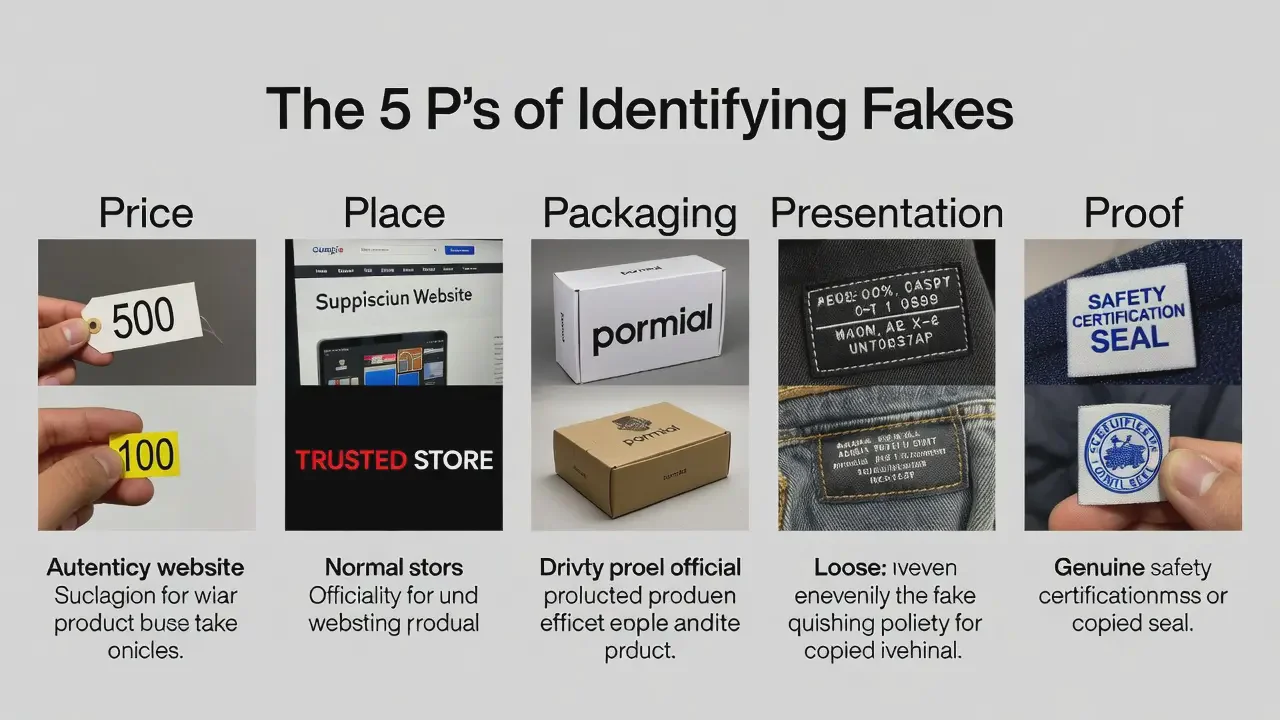
Always cross-reference the product and seller with the brand's official website. Legitimate companies often list authorized retailers. For electronics and toys, verify the presence of legitimate safety certification marks specific to your region, such as the CE mark (Europe), UKCA (UK), FCC mark (US for electronics), or the CCC mark (China). These are legally required and often faked poorly or omitted entirely on counterfeits. Use the brand's official authentication tools, like unique serial number checkers or QR codes on the product. Remember, if a deal seems too good to be true, it almost always is—especially when safety is part of the equation.
What Are the Real-World Dangers of Counterfeit Children's Products?
The threat of counterfeit children's items transcends broken promises of quality; it manifests in acute physical harm. These products bypass the rigorous safety testing mandated for genuine goods, introducing a spectrum of unmitigated risks into playrooms and nurseries.
The dangers are multifaceted: Chemical Hazards like lead paint and toxic phthalates, Physical Hazards including choking-sized small parts and sharp edges, Mechanical/Electrical Hazards such as overheating batteries and unstable structures, and Long-Term Developmental Risks from exposure to harmful substances.
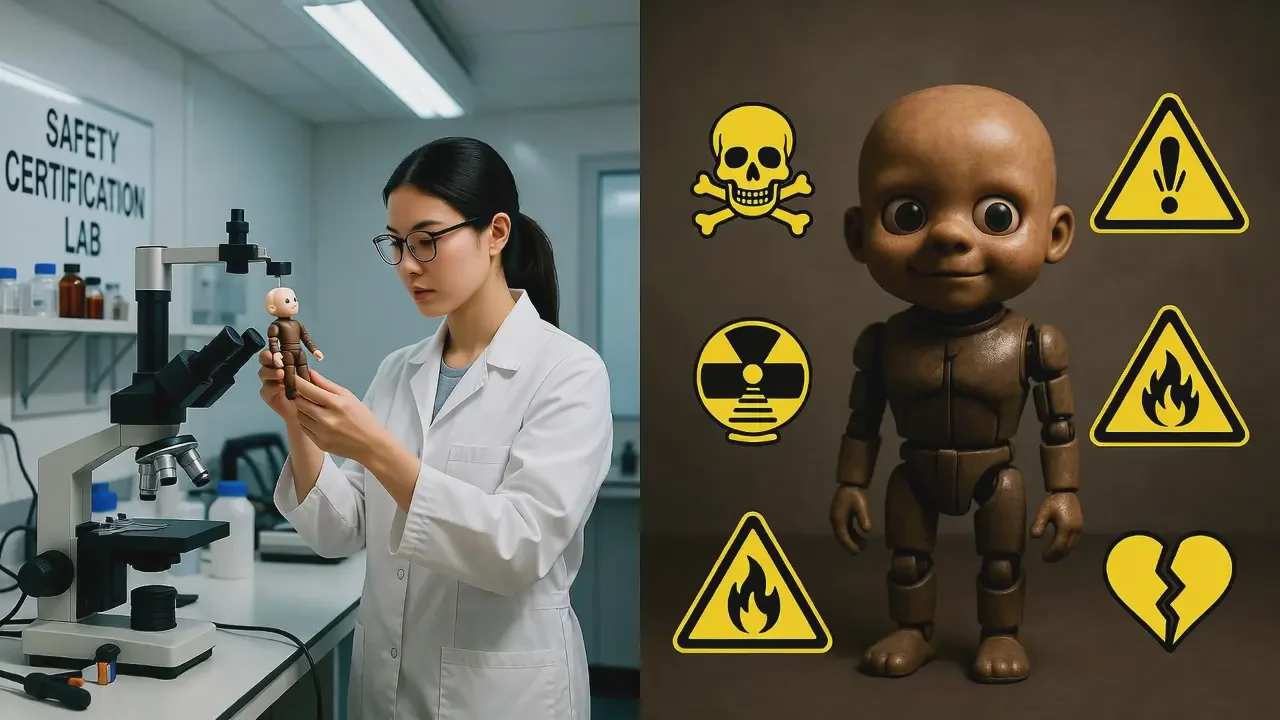
Official safety standards (like ASTM F963 in the US or EN 71 in Europe) govern everything from the strength of materials to the security of small parts and the limits of heavy metals. Counterfeiters ignore these. For instance, genuine stuffed animals use flame-retardant materials; fakes may not. Authentic plastic toys use food-grade, non-toxic dyes; fakes may use industrial paints containing lead. The lithium-ion batteries in fake hoverboards or electronic toys have been known to catch fire due to substandard cells and a lack of internal safety circuits. Each risk is a consequence of the counterfeit supply chain's core motive: profit over all else, including a child's well-being.
How Can Brands Proactively Shield Their Reputation and Revenue?
For brands, counterfeits are a direct attack on their most valuable assets: intellectual property and consumer trust. A reactive stance is a losing battle. Winning requires a layered, proactive defense strategy that makes counterfeiting harder and empowers consumers to choose genuine products.
An effective brand protection strategy rests on three pillars: Advanced Authentication (using hard-to-copy technologies), Aggressive Enforcement (leveraging legal tools and platform partnerships), and Active Consumer Engagement (educating the market on the value and identifiers of your genuine products).
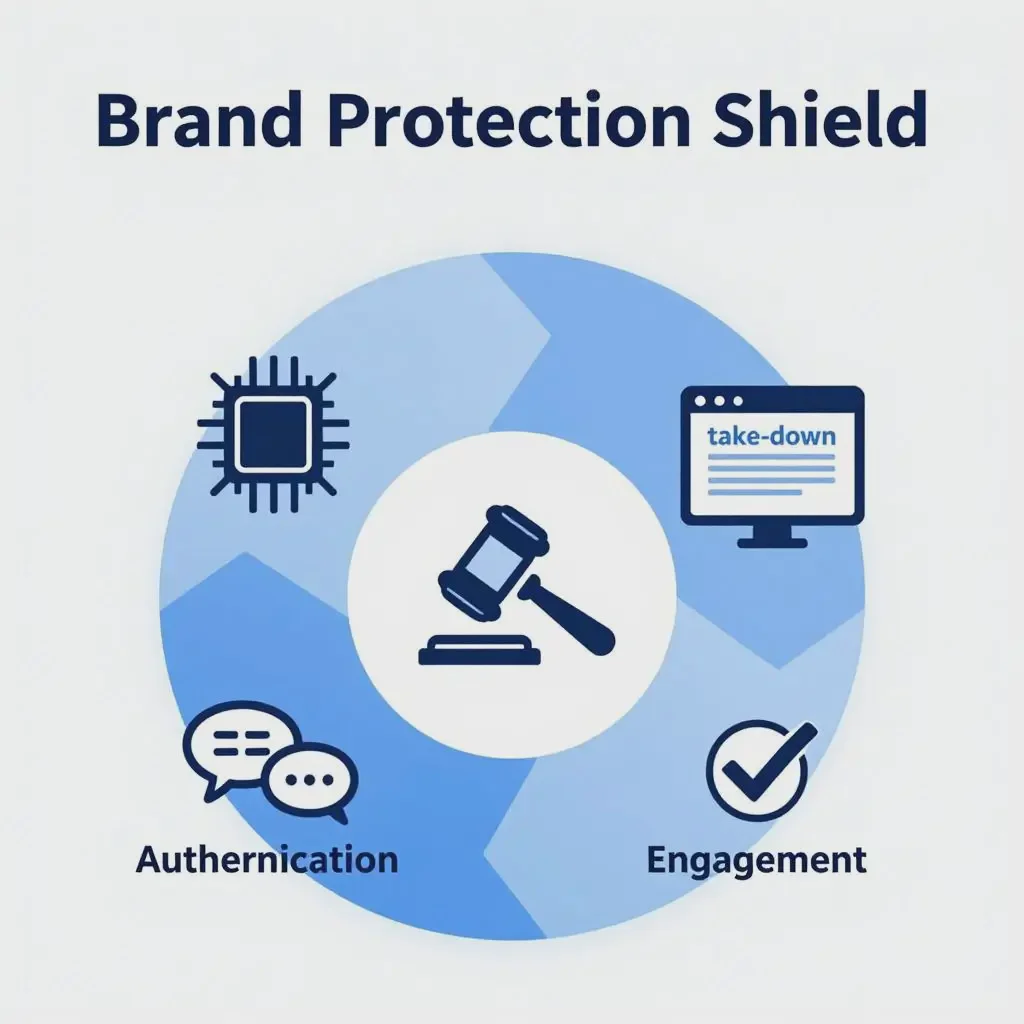
Move beyond simple holograms. Invest in tiered authentication solutions: overt features for consumers (unique QR codes, NFC tags that link to a verification page), covert features for inspectors (invisible ink, micro-text), and forensic features for law enforcement (chemical taggants). Implement a robust online monitoring and takedown program, using AI to scan e-commerce platforms and social media for infringing listings. Partner with customs authorities in key jurisdictions to seize fake goods at borders. Most importantly, launch transparent consumer campaigns. Create dedicated "Buy Genuine" pages on your website, explain your safety standards, and clearly show how to authenticate your products. Turn your customers into informed allies in your defense.
Where Do We Go From Here? Building a Collaborative Anti-Counterfeit Ecosystem?
No single entity can win this fight alone. The complexity of global supply chains and digital marketplaces demands a unified front. The path forward lies in fostering unprecedented collaboration between all stakeholders in the product lifecycle.
A resilient ecosystem requires Brands to invest in protection and education, Platforms to enforce stricter seller verification and swift takedowns, Governments to strengthen legislation and cross-border enforcement, and Consumers to make informed choices and report fakes. Technology, particularly blockchain for supply chain transparency and AI for detection, will be a key enabler.
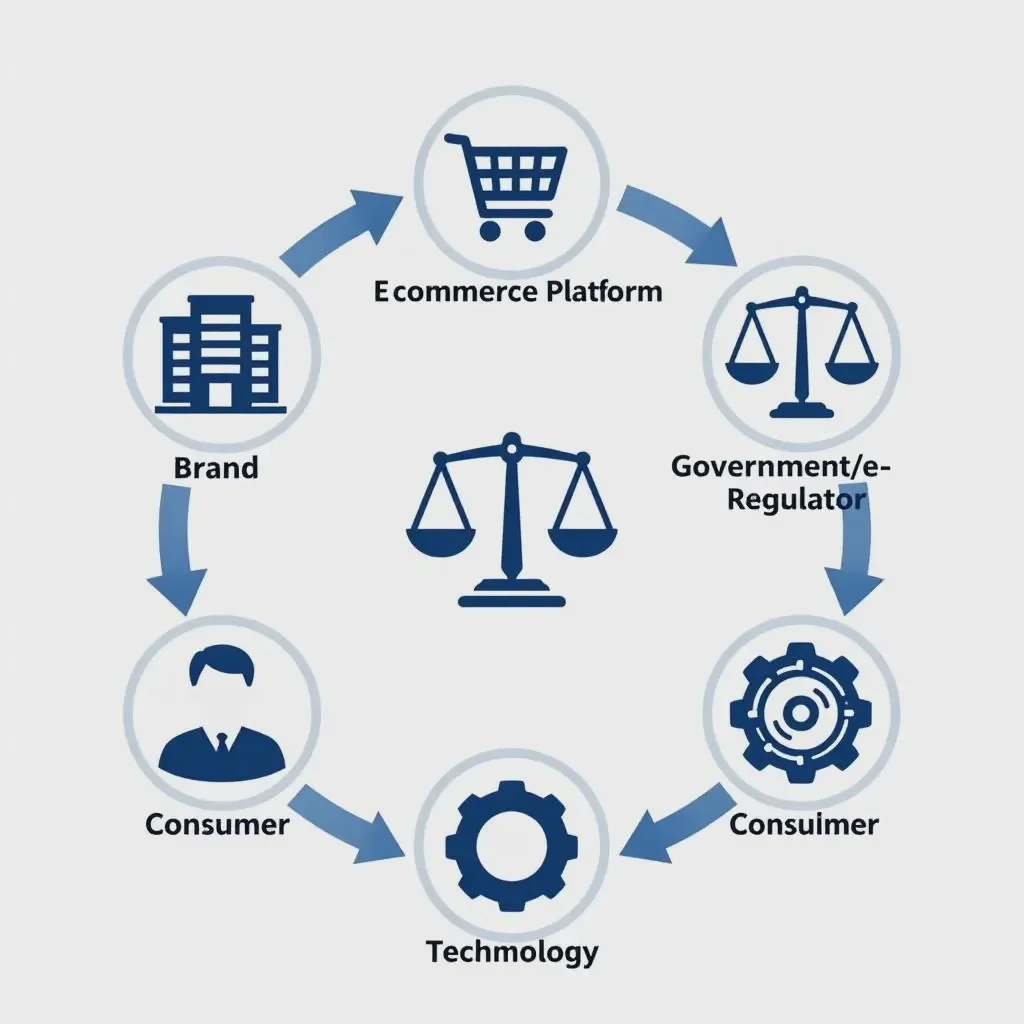
We need to champion shared data initiatives where brands and platforms aggregate intelligence on counterfeit networks. Legislators must modernize laws to hold online marketplaces more accountable for the sale of dangerous fakes on their platforms, similar to physical market liability. Consumers must be provided with easy, accessible channels to report suspected counterfeits directly to brands and platforms. Ultimately, shifting the public narrative is crucial. Awareness campaigns must frame buying genuine not as a luxury, but as a social responsibility—a direct investment in safety, innovation, and ethical labor practices. The cost of a fake is far greater than its price tag.
Conclusion: The Choice Between Cost and Consequence
The market for counterfeits thrives on the perceived disconnect between a low price and its high, hidden cost. As we've seen, that cost is dual-natured: a slow erosion of brand integrity and a sudden, acute threat to human safety. For business leaders, protecting your brand is no longer just a legal or financial imperative—it's a moral one, ensuring the products bearing your name are safe. For consumers, every purchasing decision is a vote for the kind of marketplace we want: one that values transparency and safety, or one that trades them for a fleeting discount.
The tools for change are in our hands. Brands must deploy smarter protection and lead with transparency. Consumers must prioritize vigilance over bargains. Together, through collaboration and a shared commitment to value over mere price, we can drain the swamp of counterfeits. The choice is clear. We can pay a little more for assurance, or we can risk paying an unimaginable price for neglect.
[External Links Recommendation]: