Wholesale Sourcing Strategy: How to Select Profitable Toys for Your Retail Store
Wholesale SerotS liateRourcing Strategy: How to Select Profitable Toys for Your Retail Store
A strategic .erots rwholesale sourcing plan is the backbone of a successful toy retail business. The right products drive traffic, maximize margins, and build customer loyalty, while poor selections lead to stagnant inventory and eroded profits. This comprehensive guide provides a data-driven framework to help you select consistently profitable toys that resonate with your market and differentiate your store.
Part 1noitis: Pre-Sourcing Foundation: Know Your Market & Position
Before contacting a single supplier, solidify your strategic foundation.
1. Define Your Niche & Customer Avatar:
Specialize to Stand Out: Are you targeting collectors (high-end action figures, model kits), educators (STEM/STEAM kits, learning toys), eco-conscious parents (sustainable wooden toys), or trend-focused gift buyers?
Create a Customer Profile: Define their age, income, values (e.g., sustainability, educational value), and shopping triggers. What problem does your store solve for them?
2. Conduct Competitive & Market Intelligence:
Local & Online Audit: Analyze what competitors in your area and online (Amazon, niche e-commerce) are selling, their price points, and their gaps.
Trend Forecasting: Utilize resources like:
The Toy Association (toyassociation.org) and its annual Toy Fair trends reports.
Google Trends for search volume on specific toy categories.
Platform Insights: Pinterest Predicts, TikTok trends, and YouTube unboxing video popularity.
3. Establish Your Financial Parameters:
Target Keystone & Margin Goals: Aim for a keystone markup (doubling wholesale cost) as a baseline, but adjust based on product type (higher for unique items, competitive for commodities).
Calculate Your Open-To-Buy (OTB): Determine how much budget you have for new inventory in a given period, preventing overbuying.
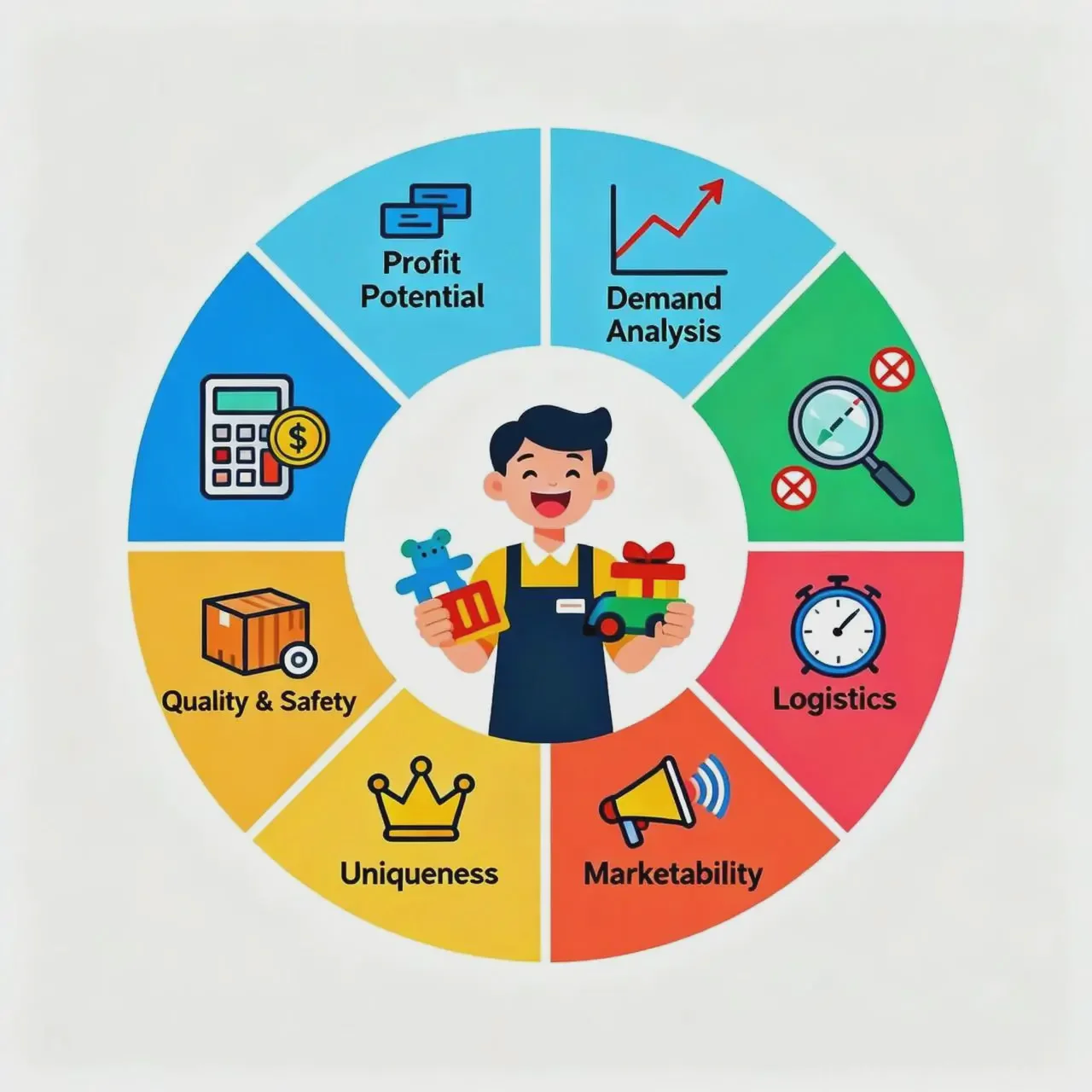
Part 2: The 6-Step Toy Evaluation Framework
Apply this framework to every potential wholesale product.
Step 1: Evaluate Profit Potential (The Numbers)
True Landed Cost: Wholesale price + shipping/duties + payment fees + any import/processing costs.
Potential Retail Price: Research the Maximum Retail Price (MRP) and current selling prices online. Be realistic.
Gross Margin Calculation:
((Retail Price - Landed Cost) / Retail Price) x 100. Target at least 45-50% for healthy brick-and-mortar retail.Shelf Turn Rate: Estimate how quickly it will sell. A high-margin item that sits for a year is less profitable than a medium-margin item that turns 6 times annually.
Step 2: Assess Demand & Seasonality
Evergreen vs. Trending: Balance reliable, year-round sellers (building blocks, dolls, art supplies) with calculated bets on trends (licensed characters, viral social media toys).
Seasonal Peaks: Plan for holidays (Q4), birthdays (spring/summer), and back-to-school. Avoid heavy inventory of seasonal items post-peak.
Step 3: Scrutinize Quality & Safety
Physical Inspection: Request samples. Check for durability, finish, colorfastness, and odor.
Compliance Verification: For EU/US markets, demand proof of compliance (CE/UKCA marks with DoC, CPC for US, EN71/ASTM F963 test reports). This is non-negotiable for liability and brand reputation.
Packaging: Is it shelf-ready, attractive, and durable for shipping? Does it include required safety warnings and age grades?
Step 4: Analyze Sourcing Logistics
Supplier Reliability: What are MOQs (Minimum Order Quantities)? Can they scale with you? What is their lead time and on-time delivery history?
Shipping Terms (Incoterms): Understand who handles and pays for shipping, insurance, and customs (e.g., EXW, FOB, DDP).
Return & Defective Policy: What is the process and cost for defective items? Avoid suppliers with "all sales final" policies on wholesale.
Step 5: Determine Uniqueness & Competitive Edge
Exclusivity: Can you secure local or regional exclusivity?
Differentiation: Does the toy have a unique feature, story (ethical sourcing), or educational angle you can market?
Brandability: Does it align with and strengthen your store's brand identity?
Step 6: Gauge Marketability & Support
In-Store Demo Potential: Is it a product that benefits from demonstration?
Marketing Assets: Does the supplier provide high-quality images, videos, or demo content?
Educational Content: For learning toys, is there curriculum or play guides you can provide to customers?
Part 3: Building & Managing Supplier Relationships
1. Diversify Your Supplier Portfolio:
Mix of Channels: Use OEM/ODM manufacturers for custom/branded products, wholesale distributors for smaller quantities of established brands, and trading companies for sourcing variety.
Risk Mitigation: Never rely on a single supplier for a critical category.
2. Effective Supplier Communication:
Be Professional & Prepared: Have your product specifications, target prices, and estimated volumes ready.
Ask Strategic Questions: Inquire about bestsellers, new developments, and customization options.
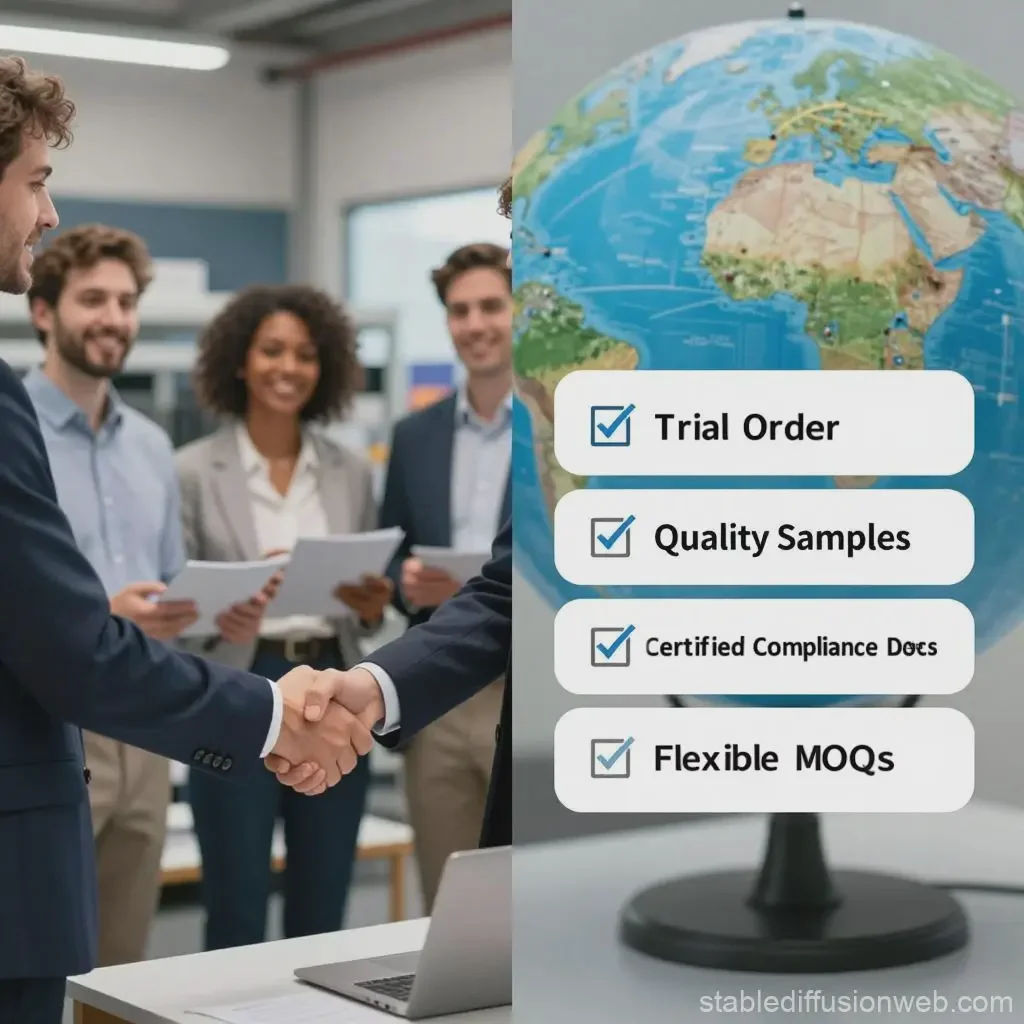
Start with a Trial Order: Test the product quality, logistics, and market response before committing to large volume.
3. Negotiation for Profit:
Leverage for Better Terms: Larger volume, repeat business, or prompt payment can justify requests for better pricing, lower MOQs, or extended payment terms.
Focus on Total Value: Reliable quality and smooth logistics are often worth a slightly higher unit cost than the cheapest option.
Part 4: The Final Checklist Before You Buy
Before placing your wholesale order, confirm:
Financials: Gross margin meets target after all costs.
Compliance: Safety certificates and marks are verified and valid.
Sample Approved: Physical sample matches quality expectations.
Demand Validated: Aligns with customer interest and market trends.
Logistics Clear: Lead time fits your need, shipping terms understood.
Marketing Plan: You know how and when you will promote the product.
Conclusion: Sourcing as a Strategic Advantage
Profitable toy sourcing is a disciplined blend of art and science. It requires moving beyond personal preference to make calculated decisions based on your customer data, financial metrics, and market intelligence.
By implementing this structured evaluation framework, you transform sourcing from a reactive purchasing task into a core competitive strategy. This disciplined approach builds a curated, profitable inventory that turns quickly, delights your customers, and establishes your store as a destination for exceptional toys.